
Understanding Irregular Income and Its Challenges
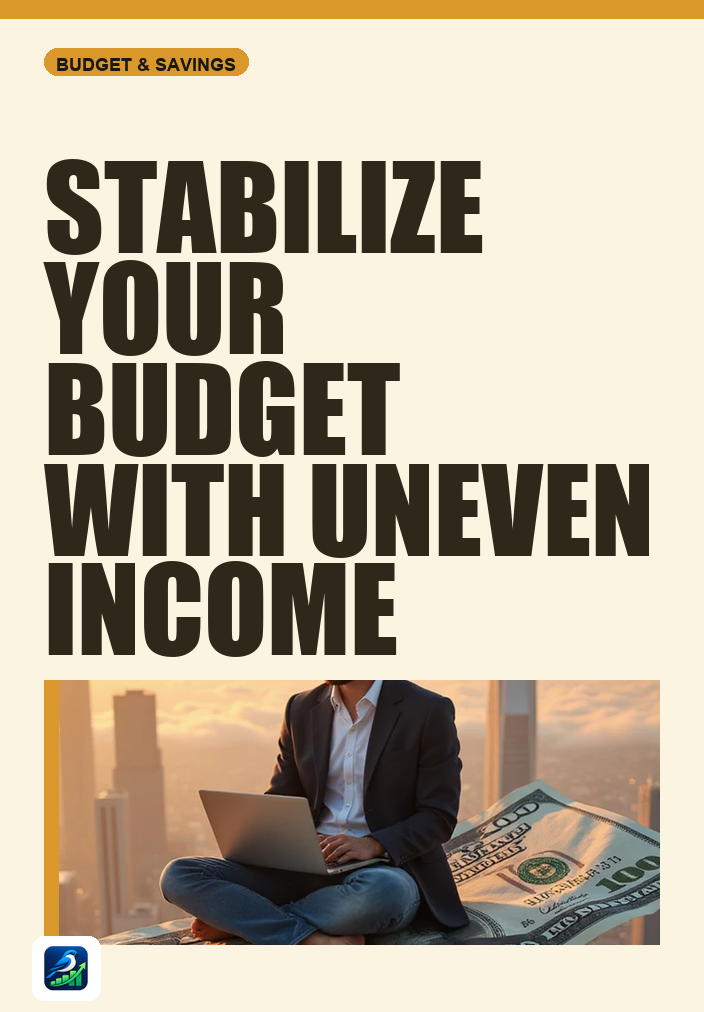
Budgeting with irregular income can be a daunting task. Whether you’re a freelancer, a contractor, or someone with seasonal work, the unpredictability of your earnings can make financial planning challenging. However, with the right strategies, you can effectively manage your finances and work towards reducing debt, even in the face of fluctuating income.
1. Track Your Income and Expenses
The first step to successful budgeting is knowing exactly what you’re working with. Keep a detailed record of your income over several months, noting down every source and amount. Similarly, track your expenses to understand where your money is going. This will give you a clearer picture of your financial situation.
2. Create a Flexible Budget
Standard budgeting methods often don’t work for those with irregular income. Instead, create a flexible budget that adjusts based on your income. Start by estimating your average monthly income over the past few months and use that as your base. From there, categorize your expenses into fixed (rent, utilities) and variable (entertainment, dining). This flexibility allows you to prioritize essential expenses while adjusting discretionary spending based on your income fluctuations.
3. Build an Emergency Fund
An emergency fund is crucial for anyone with irregular income. Aim to save at least three to six months’ worth of living expenses. This cushion can help you weather lean months without falling into debt. Start small; even saving a few dollars each month can add up over time.
4. Prioritize Debt Payments
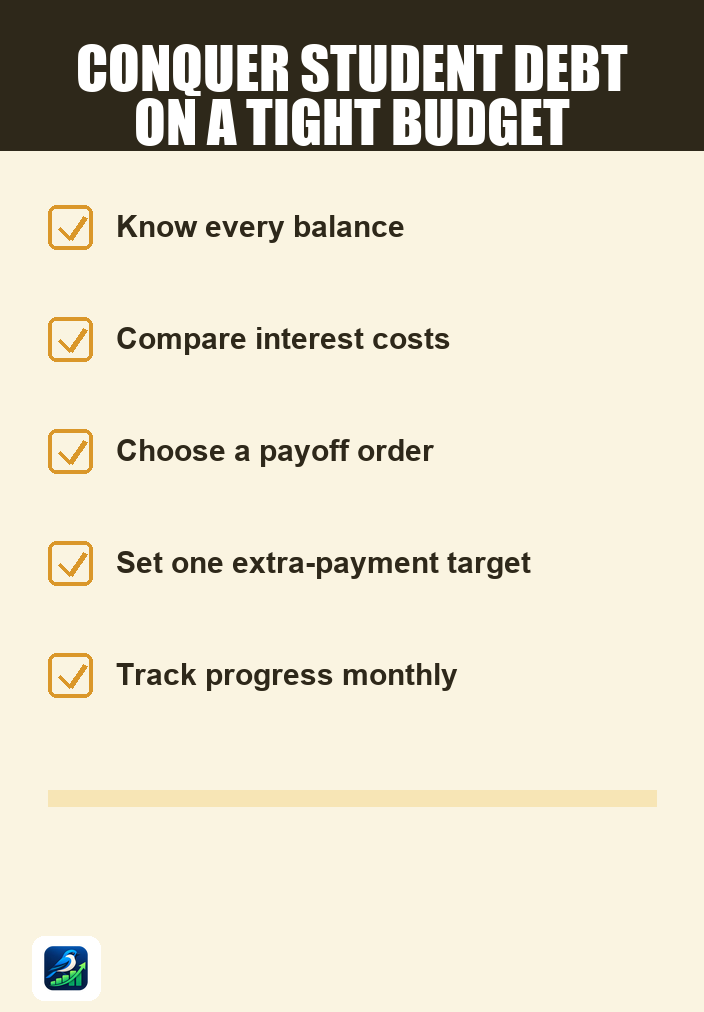
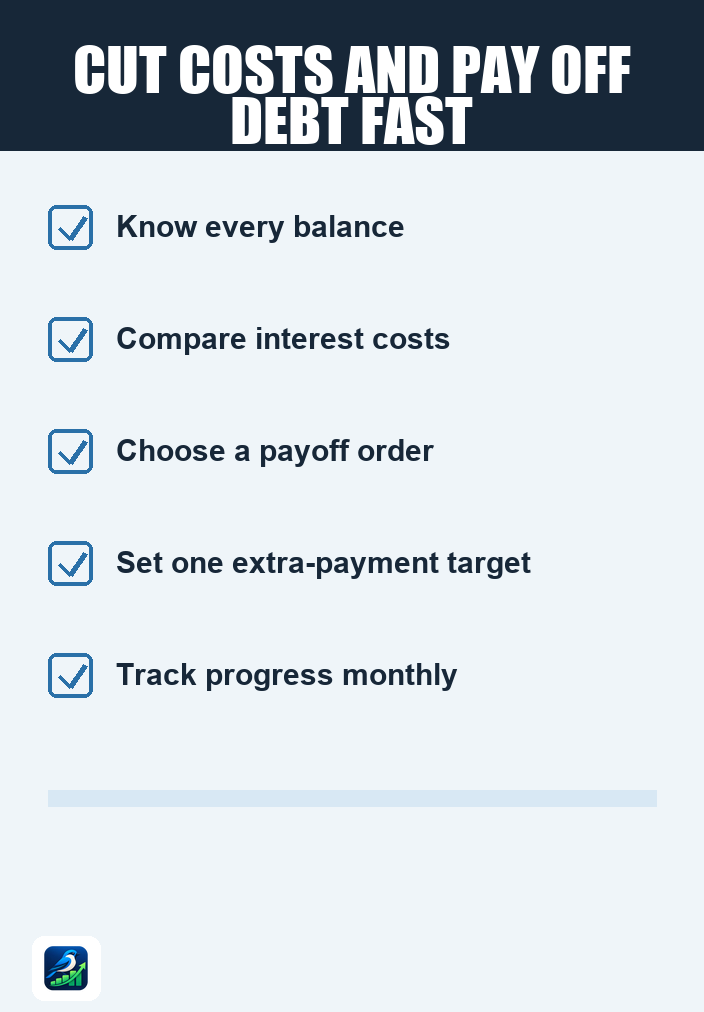
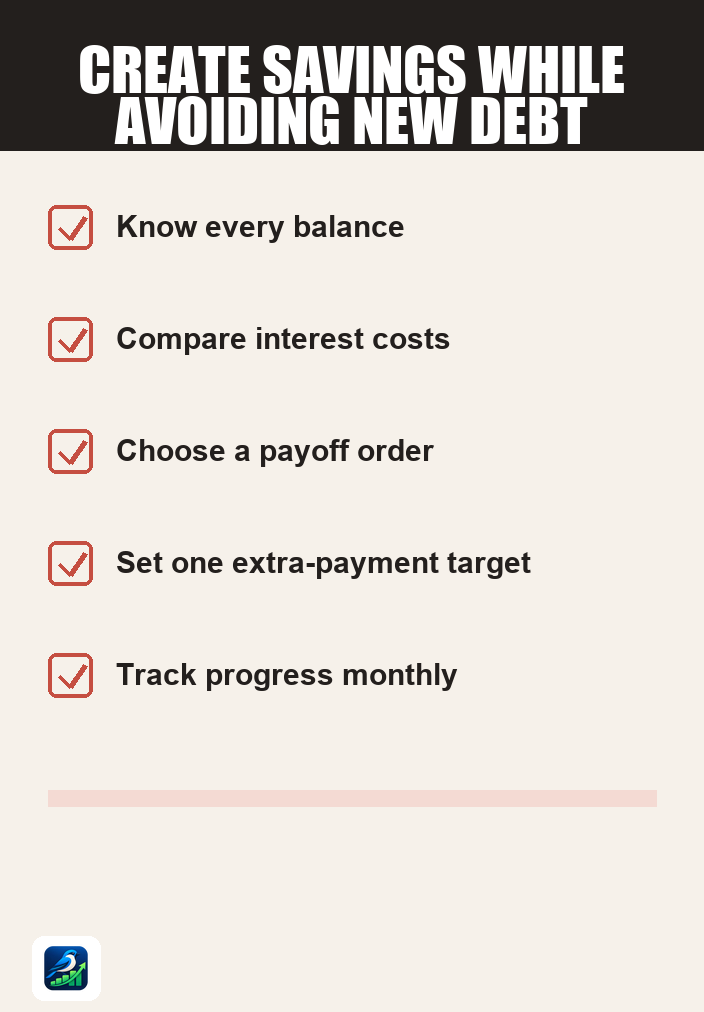
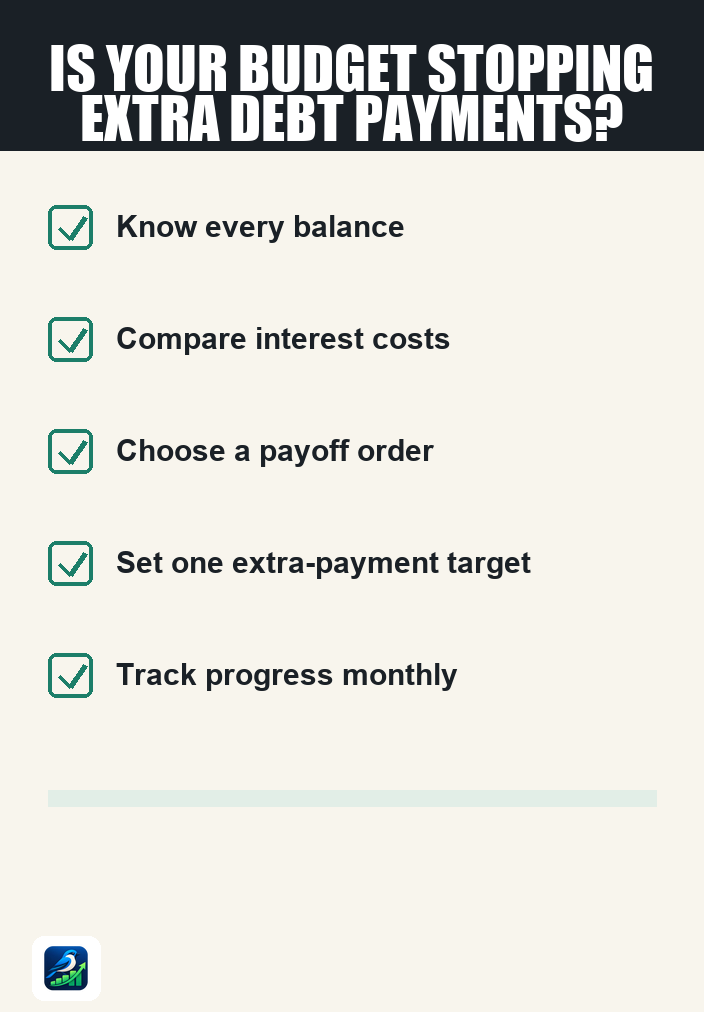
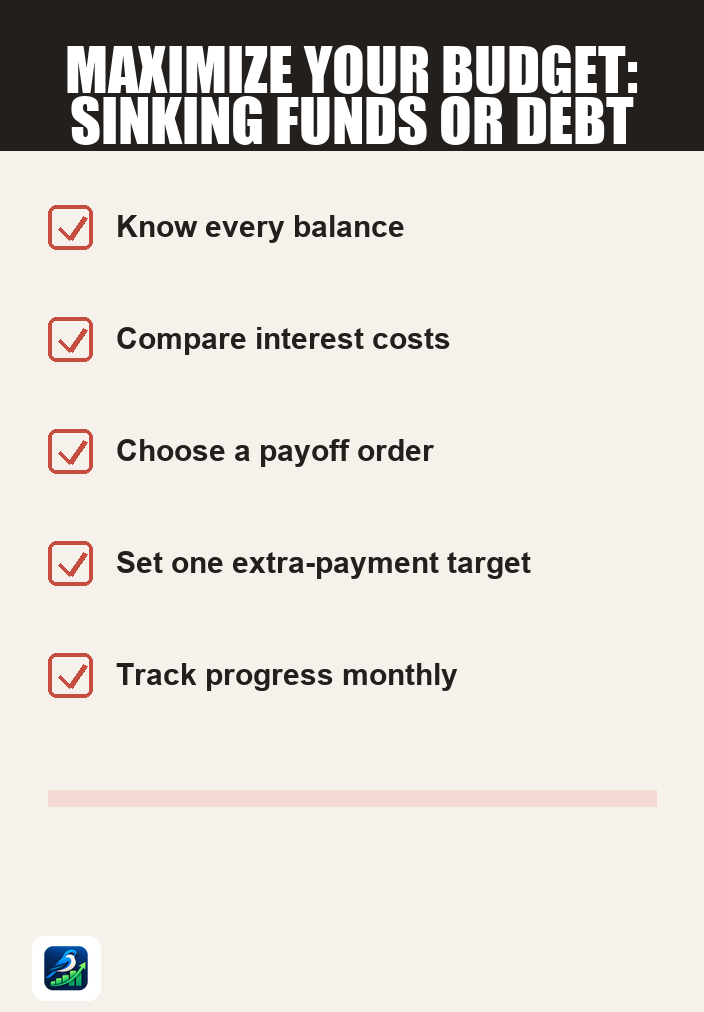
It’s easy to let debt payments slide when income is unpredictable, but this can lead to larger problems down the line. List your debts in order of priority, considering factors like interest rates and minimum payments. When you have extra income, direct a portion towards your highest-interest debt. In lean months, ensure you at least make the minimum payments to avoid penalties and damage to your credit score.
5. Use the “Pay Yourself First” Strategy
When you receive a payment, consider setting aside a portion for savings or debt repayment before covering your expenses. This “pay yourself first” approach ensures that you’re consistently working towards your financial goals, even when your income varies. Aim to save or allocate a percentage of your income, adjusting as necessary based on your monthly earnings.
6. Plan for Irregular Expenses
Irregular expenses, such as car maintenance or medical bills, can derail your budget if you’re not prepared. Identify these potential costs and set aside a small amount each month in a dedicated fund. This way, when these expenses do arise, you’ll be ready to cover them without dipping into your regular budget.
7. Consider Alternative Income Streams
To buffer against income fluctuations, think about diversifying your income sources. This could mean picking up a side gig, selling products or services online, or exploring passive income opportunities. Having multiple income streams can provide more stability and lessen the impact of a slow month.
8. Leverage Technology to Stay Organized
There are countless apps and tools designed to help manage your finances. Use budgeting apps to track your income and expenses in real time. These tools can help you visualize your financial situation, set savings goals, and keep your budget organized, all of which are vital when managing irregular income.
9. Review and Adjust Regularly
Your budget isn’t set in stone. Make it a habit to review and adjust your budget regularly, at least monthly. Assess your income, track your spending, and make necessary changes. If you find you’re consistently spending more than you earn, it may be time to reevaluate your expenses or find ways to increase your income.
10. Communicate with Creditors
If you anticipate difficulty making payments due to irregular income, don’t hesitate to communicate with your creditors. Many are willing to work with you, offering alternative payment plans or temporary relief options. Being proactive can help you avoid late fees and protect your credit score.
11. Seek Professional Guidance When Necessary
If your financial situation becomes overwhelming, consider seeking help from a financial advisor or a credit counseling service. They can provide personalized guidance based on your unique circumstances, helping you navigate debt management or other financial challenges. Remember that different methods, such as debt consolidation or settlement, come with their own sets of advantages and drawbacks, so it’s crucial to understand these options before proceeding.
Conclusion: Your Path Forward
Budgeting with irregular income may require extra effort and adjustments, but it is entirely possible to maintain control over your finances. By tracking your income, creating a flexible budget, and planning for the unexpected, you can navigate your financial landscape more effectively. Remember to regularly review your budget and adjust as necessary to stay on track.
Next Steps
- Start tracking your income and expenses immediately.
- Create a flexible budget that reflects your financial reality.
- Set aside funds for savings and debt repayment as soon as you receive income.
- Evaluate your spending habits and make necessary adjustments.
- Consider seeking professional financial advice if needed.