
Understanding Debt Payoff Timelines
Creating a debt payoff timeline is a crucial step for anyone looking to take control of their financial situation. However, there are common pitfalls that can derail your efforts. Here, we’ll explore five costly mistakes to avoid when setting your debt payoff timelines. Understanding these mistakes can help you create a more effective and realistic plan.
1. Underestimating Timeframes for Debt Repayment
A common mistake is underestimating how long it will take to pay off debt. Many people believe they can eliminate their debt faster than is realistically possible, which can lead to frustration and discouragement. It’s essential to assess your total debt, interest rates, and monthly payments accurately.
Practical Steps to Avoid Underestimation
- List All Debts: Write down all your debts, including balances, interest rates, and minimum monthly payments.
- Calculate Total Debt: Add up all your debts to get a clear picture of what you owe.
- Use a Debt Repayment Calculator: Utilize online tools to determine how long it will realistically take to pay off your debts based on your monthly payment capacity.
By taking these steps, you can create a more accurate timeline that reflects your actual repayment capabilities.
2. Failing to Consider Interest Rates
When establishing a debt payoff timeline, neglecting to factor in interest rates can be a costly error. High-interest debts can accumulate quickly, making it essential to prioritize them in your repayment strategy.
How to Prioritize Based on Interest Rates
- Identify High-Interest Debts: Focus on debts with the highest interest rates first, such as credit cards.
- Consider the Avalanche Method: This approach involves paying off debts from the highest to the lowest interest rate, which can save you money in the long run.
- Evaluate the Snowball Method: Alternatively, you can pay off smaller debts first to build momentum, but be aware that this may cost more in interest.
Understanding how interest affects your total repayment can help you strategize more effectively.
3. Ignoring Changes in Financial Circumstances
Life is unpredictable, and changes in your financial situation can significantly impact your debt payoff timeline. Ignoring the possibility of job changes, unexpected expenses, or other financial shifts can lead to an unrealistic repayment plan.
Adjusting for Life Changes
- Build a Buffer: Allow for flexibility in your timeline to accommodate changes. Consider extending your timeline to reduce monthly payment pressure.
- Regularly Review Your Plan: Set a schedule to review your financial situation and adjust your timeline as necessary. This could be quarterly or bi-annually.
- Create an Emergency Fund: Having savings set aside can prevent you from falling back into debt in case of unexpected expenses.
By staying adaptable, you can respond to financial changes without derailing your entire plan.
4. Setting Unrealistic Monthly Payment Goals
Another common mistake is setting monthly payment goals that are too ambitious. While it’s important to aim high, setting unattainable goals can lead to burnout and disappointment.
Finding a Balanced Payment Amount
- Assess Your Budget: Review your monthly income and expenses to determine how much you can realistically allocate toward debt payments.
- Use the 50/30/20 Rule: A common budgeting guideline suggests spending 50% on needs, 30% on wants, and 20% on savings and debt repayment. Adjust these percentages based on your situation.
- Start Small: If necessary, begin with smaller payments and gradually increase them as your financial situation improves.
Finding a comfortable monthly payment can help you stay committed to your plan without feeling overwhelmed.
5. Overlooking the Importance of Non-Debt Related Financial Goals
Focusing solely on debt repayment can sometimes lead to neglecting other important financial goals, such as saving for retirement, building an emergency fund, or investing in education. Striking a balance is essential for long-term financial health.
Integrating Other Financial Goals
- Set Concurrent Goals: While paying off debt, also allocate funds towards savings and investments, even if they are small amounts.
- Review Overall Financial Health: Regularly assess your entire financial picture, including savings, investments, and debt.
- Adjust Goals as Needed: Life changes may affect how much you can allocate toward debt versus savings. Be prepared to adjust your priorities.
Maintaining a balanced financial strategy can lead to greater security and less stress in the long run.
Next Steps for Effective Debt Payoff Timelines
Setting a debt payoff timeline is a significant first step toward financial freedom, but avoiding common mistakes is crucial for success. Here are some practical next steps:
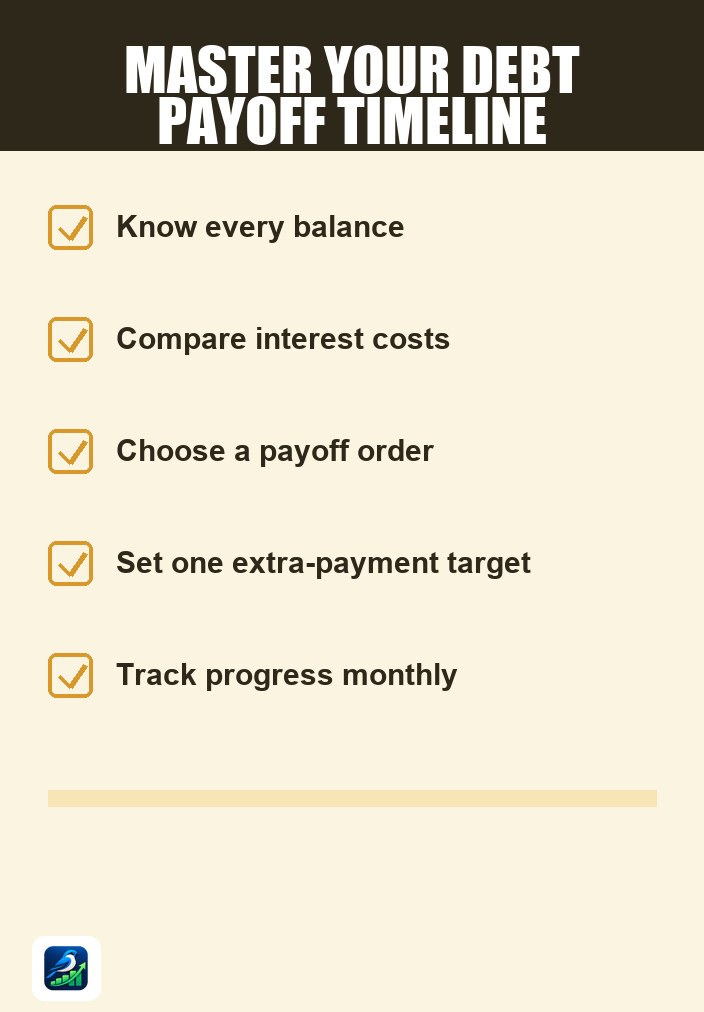
- Take a thorough inventory of your debts, including balances and interest rates.
- Assess your monthly budget to determine a realistic payment plan.
- Build flexibility into your timeline to accommodate life changes.
- Consider setting concurrent financial goals alongside your debt repayment.
- Regularly review and adjust your plan as necessary.
By being mindful of these common mistakes and taking proactive steps, you can create a debt payoff timeline that is both effective and achievable. Remember, the goal is not just to pay off debt, but to build a foundation for a healthier financial future.



















