Understanding Debt Relief Scams
Debt relief scams prey on individuals seeking help in times of financial distress. These scams can take many forms, from misleading advertisements to high-pressure sales tactics. Understanding how to spot these scams is crucial for anyone looking to manage their debt effectively.
Common Myths About Debt Relief
Many myths surrounding debt relief can lead individuals to make poor choices. Here are a few common misconceptions:
- Myth 1: All debt relief companies are scams. While there are fraudulent companies out there, many reputable organizations offer legitimate services.
- Myth 2: You can erase debt overnight. Legitimate debt relief takes time and effort. There are no quick fixes.
- Myth 3: Debt settlement is the only option for relief. There are various methods for managing debt, including consolidation and management plans.
- Myth 4: You’ll never have to pay anything. Most legitimate services require fees, and you may still be responsible for some debt payments.
Warning Signs of a Debt Relief Scam
Recognizing red flags can help you avoid falling victim to a scam. Here are some common warning signs:
High Upfront Fees
If a company demands large fees before providing any services, be wary. Legitimate debt relief organizations typically charge fees after they’ve performed services. Look for companies that offer a clear explanation of their fee structure.
Promises of Instant Results
Scammers often promise immediate debt reduction or credit score improvement. In reality, legitimate debt relief takes time and effort. If something sounds too good to be true, it probably is.
Pressure Tactics
Be cautious if representatives urge you to make hasty decisions or sign contracts without reading the fine print. Legitimate companies will allow you time to consider your options.
Lack of Transparency
Reputable organizations should provide clear details about their services, fees, and processes. If they’re reluctant to answer your questions or provide vague answers, it’s a red flag.
Unlicensed or Unregistered Companies
Verify that any debt relief company is licensed and registered in your state. Many states have laws regulating debt relief services, and a lack of registration can indicate a scam.
Understanding Your Debt Relief Options
Instead of falling for scams, it’s vital to understand the legitimate options available for managing debt. Here’s a breakdown:
Debt Consolidation
This involves combining multiple debts into a single loan, often with a lower interest rate. The tradeoff is that it may extend your repayment period, and you could end up paying more in interest over time.
Debt Management Plans
These plans involve working with a credit counseling agency to create a budget and repayment strategy. While helpful, they require regular payments and may not reduce your overall debt.
Debt Settlement
In this approach, you negotiate with creditors to pay less than what you owe. While this can lead to lower balances, it can also negatively impact your credit score, and there are no guarantees of success.
Bankruptcy
This is a legal process that can discharge many types of debt but comes with long-lasting consequences for your credit and financial future. Consulting a financial advisor or bankruptcy attorney is essential to understand this option fully.
How to Protect Yourself
Staying informed and proactive can help you navigate the world of debt relief safely. Here are some steps to take:
- Research Thoroughly: Look for reviews and ratings of any debt relief company you’re considering. Check with consumer protection agencies for complaints.
- Ask Questions: Don’t hesitate to ask potential providers about their services, fees, and success rates. A legitimate company will be happy to provide this information.
- Consult Professionals: Consider speaking with a financial advisor or a certified credit counselor. They can offer personalized guidance tailored to your situation.
- Read Everything: Before signing any contracts, read the fine print. Ensure you fully understand the terms and conditions.
Next Steps for Managing Your Debt
As you navigate your debt relief options, keep the following practical steps in mind:
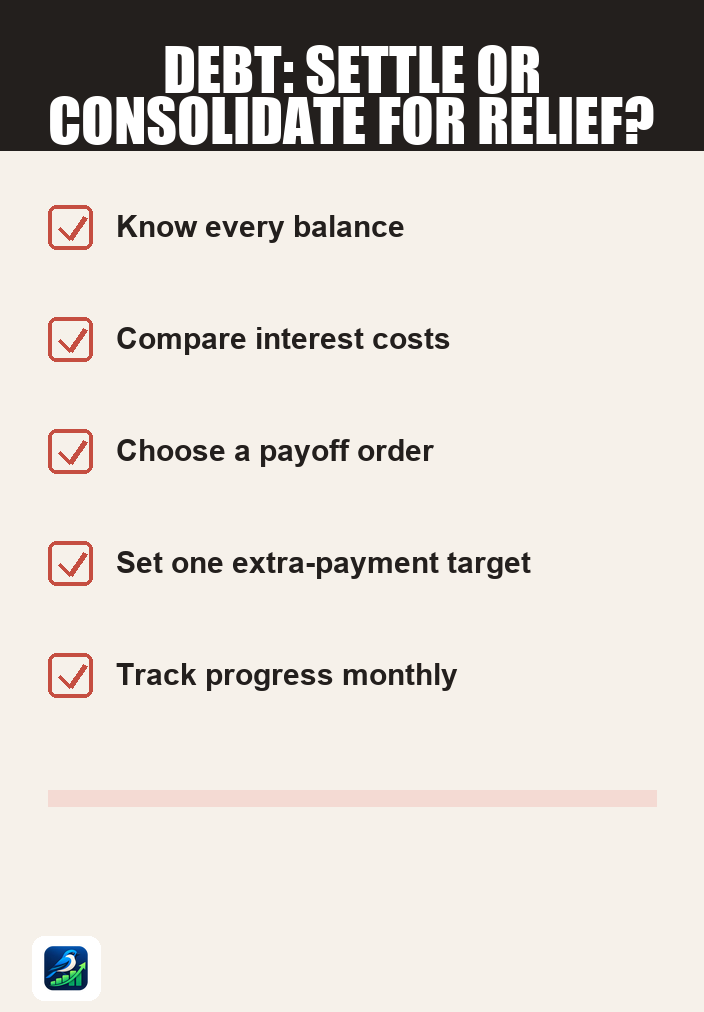
- Assess your total debt and financial situation to understand what you owe.
- Research legitimate debt relief options and compare their pros and cons.
- Create a budget to manage your expenses and prioritize debt repayment.
- Stay informed about your rights and the regulations surrounding debt relief in your area.
By being vigilant and informed, you can make sound decisions about managing your debt and avoid falling prey to scams. The road to financial recovery may be challenging, but with careful research and planning, you can find a path that works for you.