
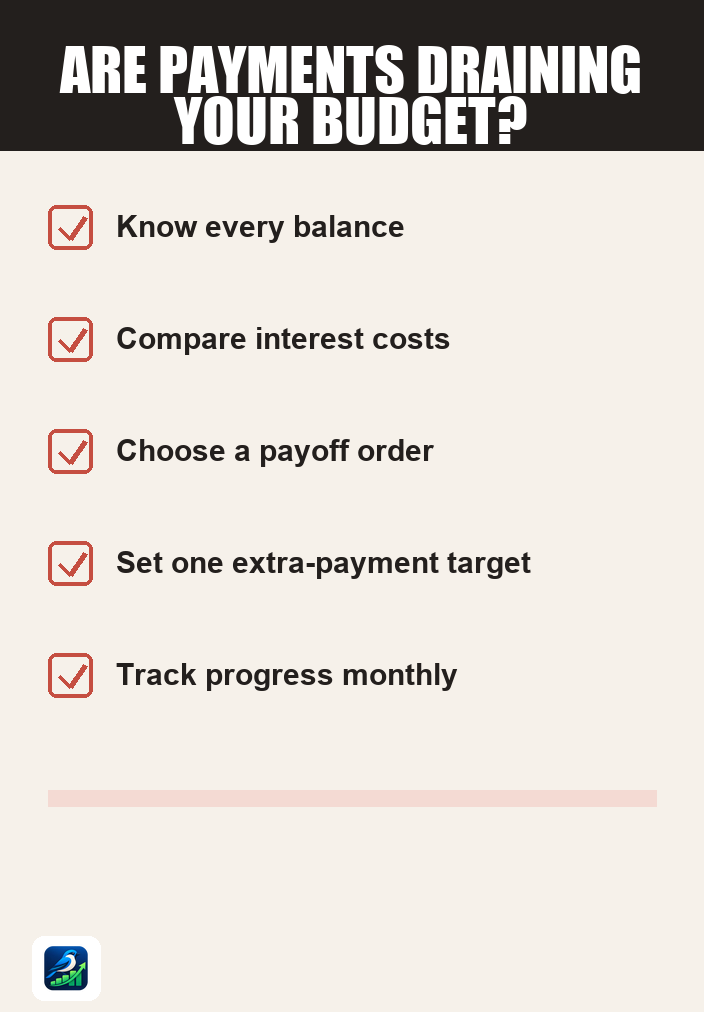
Understanding the Basics of a Monthly Debt Payoff Plan
Creating a monthly debt payoff plan is an essential step for anyone looking to regain control over their finances. Such a plan enables you to organize your debts, prioritize payments, and systematically reduce what you owe. Whether you’re dealing with credit card debt, personal loans, or medical bills, crafting a well-structured plan can make a significant difference in your financial health.
Assessing Your Current Debt Situation
Before diving into your payoff plan, take a full inventory of your debts. This means listing all your outstanding debts along with relevant details. Here’s how to do it:
- List All Debts: Write down each creditor’s name, the total amount owed, the minimum monthly payment, and the interest rate for each debt.
- Gather Statements: Collect the latest statements from creditors to ensure accuracy in your figures.
- Evaluate Terms: Note any specific terms associated with each debt, such as penalties for missed payments or benefits for early payoff.
By gathering this information, you’ll have a clearer picture of your financial obligations, which is critical for setting up an effective plan.
Choosing a Debt Payoff Strategy
Once you understand your debt landscape, the next step is to choose a payoff strategy that fits your circumstances. There are several popular methods, each with its own pros and cons:
The Snowball Method
This strategy focuses on paying off your smallest debts first. Here’s how it works:
- List your debts from smallest to largest.
- Make minimum payments on all debts except the smallest.
- Put any extra money toward the smallest debt until it’s paid off.
- Move to the next smallest debt and repeat the process.
The psychological boost from paying off smaller debts can be motivating, but this method may not save you money on interest over time.
The Avalanche Method
This approach focuses on paying off debts with the highest interest rates first. Here’s how to implement it:
- List your debts from highest to lowest interest rate.
- Make minimum payments on all debts except the one with the highest interest.
- Put any extra funds toward the debt with the highest interest until it’s paid off.
- Continue to the next highest interest rate debt.
The avalanche method may save you more money in interest payments over time, but it may require more patience as it may take longer to see the first debt paid off.
Creating a Monthly Budget
A monthly debt payoff plan should be supported by a realistic budget. Here’s how to create one:
- Track Your Income: Document all your sources of income, including salary, freelance work, or any side hustles.
- List Your Expenses: Include fixed expenses (rent, utilities) and variable expenses (groceries, entertainment).
- Identify Discretionary Spending: Look for areas where you can cut back to allocate more toward debt repayment.
Your goal is to create a budget that allows for minimum payments on all debts while finding extra funds to put toward your chosen payoff strategy.
Making Adjustments and Staying Flexible
Life is unpredictable, and your financial situation can change. It’s essential to remain adaptable with your debt payoff plan:
- Regularly Review Your Plan: Check in on your debts and budget monthly to ensure you’re on track.
- Adjust Payments as Needed: If you encounter unexpected expenses, consider temporarily adjusting your payments to stay afloat.
- Celebrate Milestones: Acknowledge when you complete a debt to stay motivated.
Exploring Debt Relief Options
If your debts feel overwhelming, you may consider debt relief options. Here’s a brief overview of common strategies:
Debt Consolidation
Debt consolidation involves combining multiple debts into a single loan, often with a lower interest rate. This can simplify payments but may not reduce the total debt.
Debt Management Plans
These plans typically involve working with a credit counseling service to create a structured repayment plan. While they can provide support, be cautious of fees.
Debt Settlement
This involves negotiating with creditors to settle your debt for less than what you owe. While it may reduce your total debt, it can negatively impact your credit score and may involve fees.
Bankruptcy
Bankruptcy is a legal process to discharge debts, but it carries significant long-term consequences. It’s essential to consult a legal professional to explore this option fully.
Next Steps for Your Debt Payoff Journey
Crafting a monthly debt payoff plan can be a transformative step toward financial stability. Remember to:
- Assess your debts and choose a payoff strategy that resonates with you.
- Create a budget that supports your goal.
- Remain flexible and adjust your plan as necessary.
- Consider debt relief options if needed, but weigh their pros and cons carefully.
With determination and the right approach, you can take meaningful steps toward reducing your debt and achieving financial peace of mind.



















