
Understanding Extra Payments for Faster Debt Payoff
If you’re looking to pay off your debts faster, making extra payments can be an effective strategy. However, determining how much extra to pay and how to incorporate these payments into your financial routine can be tricky. This article will provide a practical checklist to help you estimate extra payments for faster debt payoff, allowing you to take control of your financial future.
Why Extra Payments Matter
Extra payments can significantly reduce the time it takes to pay off your debt. This occurs because each additional payment goes directly toward the principal, reducing the overall balance and, consequently, the interest you’ll owe over time. By understanding how to structure these payments, you can save money in the long run and become debt-free sooner.
Assess Your Current Debt Situation
Before you start making extra payments, you need to have a clear picture of your current debt situation. This involves:
- Listing All Debts: Create a comprehensive list of all your debts, including credit cards, loans, and any other obligations. Note the balance, interest rate, and minimum monthly payment for each.
- Calculating Total Monthly Payments: Add up your minimum monthly payments to get your total monthly debt obligation.
- Understanding Interest Rates: Identify which debts have the highest interest rates, as these are the ones that will benefit most from extra payments.
Setting a Budget for Extra Payments
Once you have a clear understanding of your debts, it’s time to see how much you can afford to allocate toward extra payments. Here’s how to get started:
- Review Your Monthly Budget: Analyze your income and expenses to determine how much discretionary income you have each month. Look for areas where you can cut back to free up more money for debt repayment.
- Decide on a Payment Strategy: You can choose to make a single large payment each month or several smaller payments throughout the month. Consider what feels more manageable for you.
- Prioritize High-Interest Debt: If possible, focus your extra payments on debts with the highest interest rates first. This will reduce the total interest you pay over time.
Estimating Your Extra Payment Amount
Determining how much extra to pay can be facilitated by a few simple calculations. Here’s a straightforward method:
- Choose Your Target Debt: Select the debt you want to pay off first, ideally the one with the highest interest rate.
- Calculate the Minimum Payment: Know your minimum monthly payment for that debt.
- Decide on an Extra Payment: Consider how much additional money you can allocate. For example, if your minimum payment is $200, and you can afford to contribute an extra $100, your total payment would be $300.
- Project the Impact: Use an online debt calculator to see how your extra payment affects the payoff timeline. This can provide a tangible sense of progress.
Implementing a Payment Schedule
Creating a consistent payment schedule is essential for staying on track. Here are practical steps to set this up:
- Automate Payments: If possible, set up automatic payments for both your minimum and extra payments. This reduces the chance of missing a payment.
- Designate Payment Dates: Choose specific days each month when you will make your extra payments. Align these with your paydays for easier cash flow management.
- Monitor Your Progress: Regularly review your debt balances to see the effects of your extra payments. This can motivate you to continue your efforts.
Adjusting Your Strategy as Needed
Your financial situation may change over time due to various factors such as income fluctuations or unexpected expenses. Here’s how to stay flexible:
- Reassess Your Budget Regularly: Review your budget at least every few months. Look for new opportunities to increase your extra payments or adjust your payment strategy.
- Consider Debt Consolidation: If you find it challenging to manage multiple debts, you might explore debt consolidation. This can simplify payments but be aware of potential fees and interest rates.
- Consult Professionals: If your financial situation becomes overwhelming, consider speaking with a financial advisor or credit counselor for tailored advice.
Understanding Potential Trade-offs
While making extra payments can speed up your debt payoff, it’s important to consider potential trade-offs:
- Emergency Savings: Ensure you still maintain some savings for emergencies. Draining your savings to make extra payments can lead to financial strain later.
- Other Financial Goals: Balancing debt repayment with other financial goals, such as retirement savings or home buying, is crucial. Make sure your approach aligns with your overall financial plan.
Next Steps for Effective Debt Management
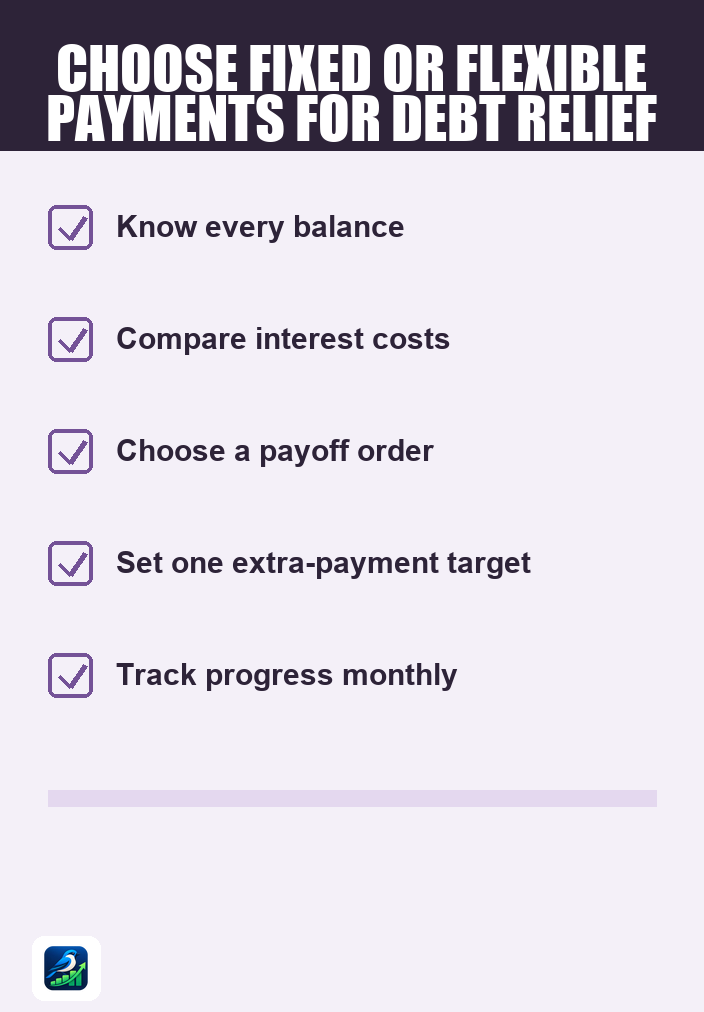
Now that you have a practical checklist for estimating extra payments, it’s time to take action. Here are your next steps:
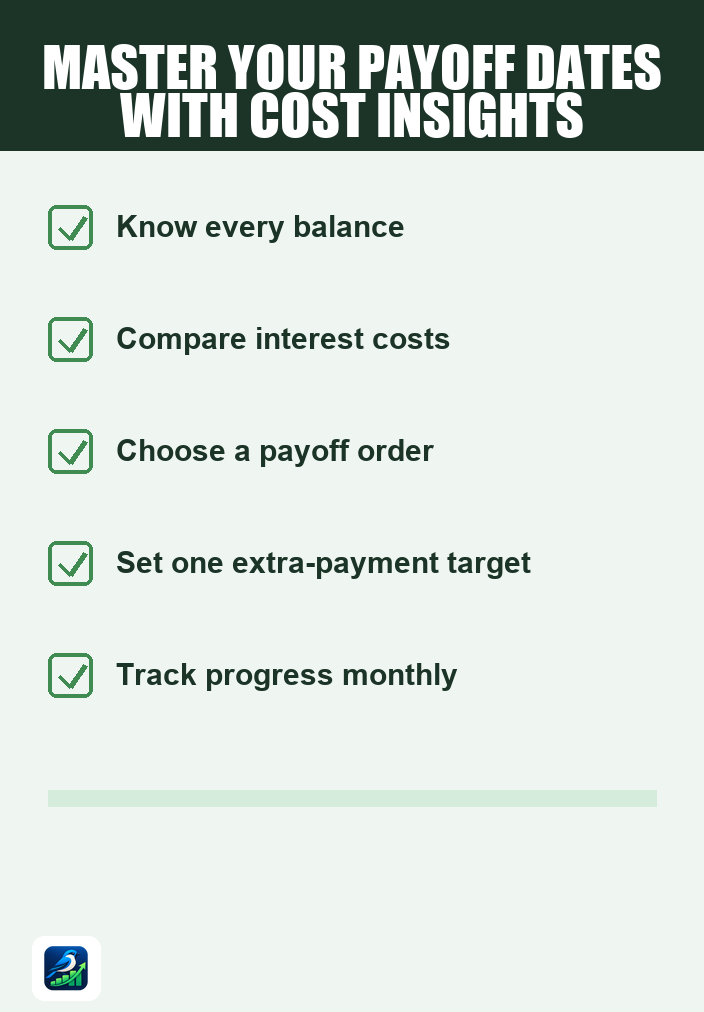
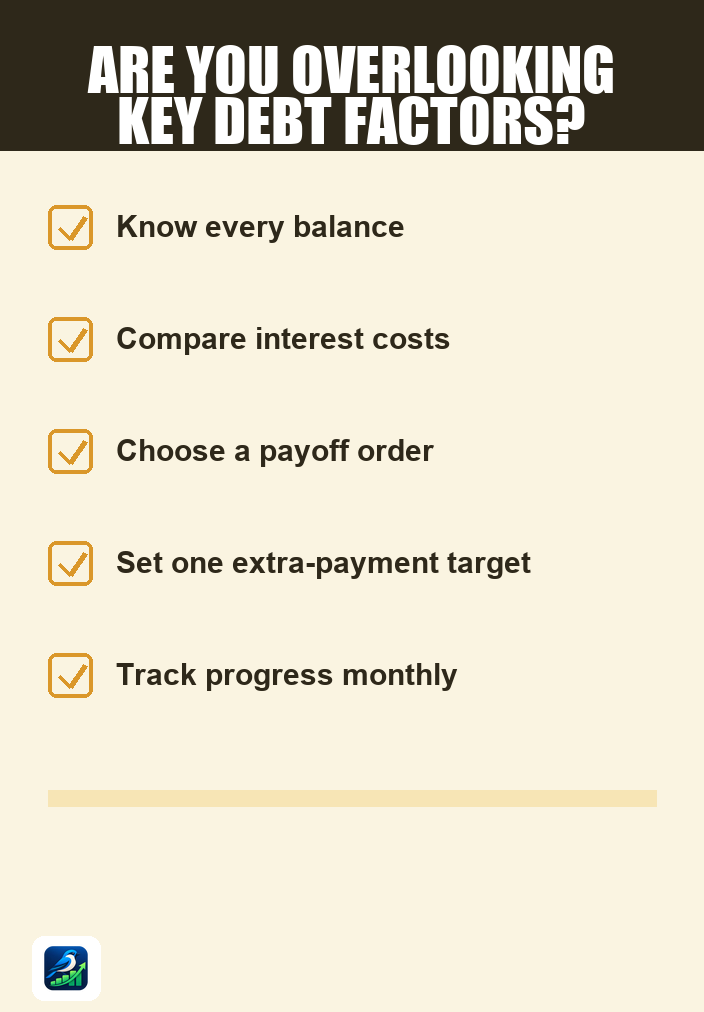
- Gather your debt information and create a detailed list.
- Review your budget to identify how much you can allocate toward extra payments.
- Choose a payment strategy that feels manageable and set a schedule.
- Utilize a debt calculator to visualize your progress.
- Regularly reassess your financial situation and adjust your strategy as needed.
With these steps, you can take meaningful action towards faster debt payoff and gain greater financial control. Remember, the path to financial freedom is a journey that requires patience and persistence.