
Understanding Debt Consolidation Offers
Debt consolidation can be a beneficial strategy for managing multiple debts, but it’s essential to approach it with care. When you’re ready to compare debt consolidation offers, you need to understand the options available and the implications of each. This article will guide you through the process of evaluating different debt consolidation offers, highlighting key factors to consider, and helping you make an informed decision.
What is Debt Consolidation?
Debt consolidation involves combining multiple debts into a single loan or payment plan. The goal is to simplify your payments and potentially lower your overall interest rate. It’s important to clarify that debt consolidation is not the same as debt settlement or bankruptcy. While debt settlement involves negotiating with creditors to reduce the total amount owed, and bankruptcy is a legal process for discharging debts, consolidation focuses on restructuring existing debt.
Types of Debt Consolidation Options
Before diving into specific offers, familiarize yourself with the common types of debt consolidation options:
- Personal Loans: Unsecured loans that can be used to pay off existing debts.
- Home Equity Loans: Loans based on the equity in your home, often at lower interest rates.
- Balance Transfer Credit Cards: Credit cards that allow you to transfer existing debt, usually with an introductory 0% APR.
- Debt Management Plans: Programs offered by credit counseling agencies that negotiate with creditors on your behalf.
Factors to Consider When Comparing Offers
When evaluating debt consolidation offers, keep the following factors in mind:
1. Interest Rates
The interest rate is crucial as it determines how much you’ll pay over time. Lower rates can lead to significant savings. Compare the rates of different offers and consider whether they are fixed or variable. Fixed rates provide stability, while variable rates may change over time.
2. Fees and Costs
Look beyond interest rates to any fees associated with the consolidation. These might include:
- Origination fees
- Balance transfer fees
- Annual fees for credit cards
Calculate the total cost of the loan, including these fees, to get a clearer picture of what you’ll actually pay.
3. Loan Terms
The loan term is the duration over which you’ll repay the loan. A longer term may reduce monthly payments but can increase the total interest paid. Conversely, a shorter term may mean higher monthly payments but less interest overall. Evaluate which option suits your financial situation best.
4. Impact on Credit Score
Consolidating your debts can affect your credit score in various ways. Opening a new loan may result in a hard inquiry on your credit report, which could temporarily lower your score. Additionally, if you use a balance transfer card, the credit utilization ratio may change, impacting your score. Monitor how each option might affect your credit.
5. Lender Reputation
Research the lenders or credit counseling agencies you’re considering. Look for reviews and ratings from other customers. Be cautious of companies that make promises that sound too good to be true, as they may not have your best interests at heart.
Practical Steps to Compare Offers
Once you understand the factors to consider, follow these steps to compare debt consolidation offers effectively:
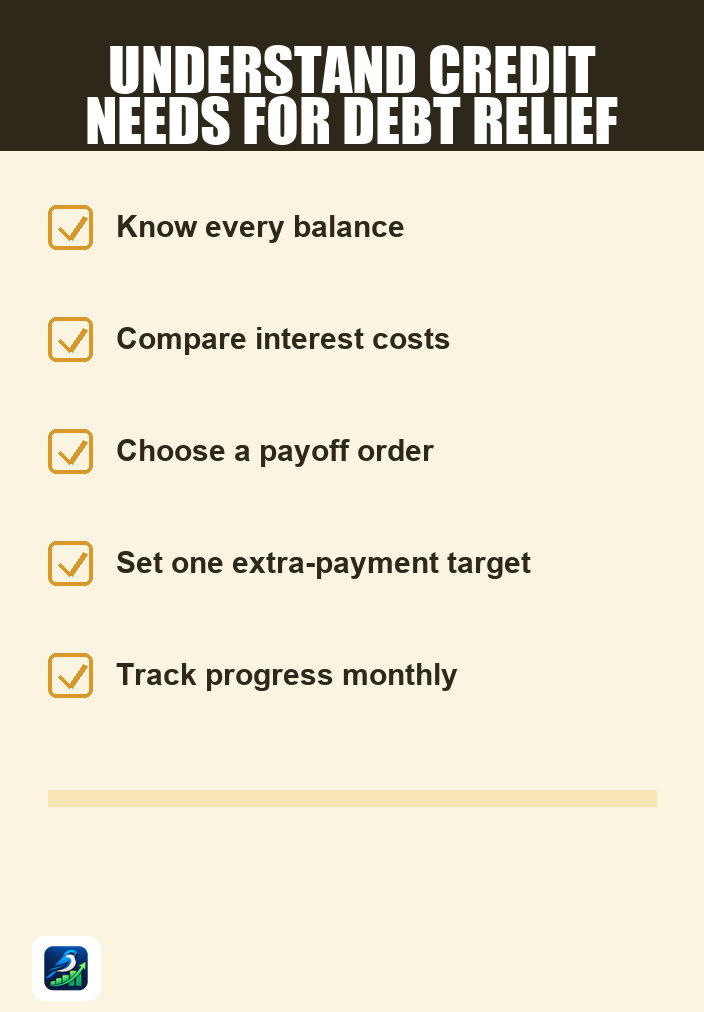
- Gather Your Debt Information: List all your existing debts, including balances, interest rates, and monthly payments.
- Research Options: Explore various lenders and consolidation programs. Gather quotes from multiple sources.
- Calculate Costs: For each offer, calculate the total cost of the loan, including interest and fees, over the life of the loan.
- Consider the Trade-offs: Weigh the monthly payment against the total cost and the duration of the loan. Consider how each option fits into your budget.
- Consult Professionals: If you’re unsure, consider speaking with a financial advisor or a credit counselor for tailored guidance.
Drawbacks of Debt Consolidation
While debt consolidation can be a helpful tool, it’s not without potential drawbacks:
- Risk of Accumulating More Debt: If you don’t change spending habits, you may end up accumulating new debt on top of the consolidation.
- Fees and Costs: Some consolidation options come with significant fees that can offset potential savings.
- Not a One-Size-Fits-All Solution: Debt consolidation may not be the best choice for everyone, especially if you have high-interest debts or if you’re struggling with financial discipline.
Alternatives to Debt Consolidation
Before committing to a consolidation plan, consider other debt relief options that may better suit your situation:
- Debt Management Plans: These plans can help you pay off debt over time while potentially reducing interest rates through negotiation.
- Debt Settlement: Negotiating with creditors to pay a reduced amount can be effective, but it’s important to be cautious as it may impact your credit score.
- Bankruptcy: In severe cases, bankruptcy could be an option to consider, but it comes with long-term implications that should be carefully weighed.
Next Steps
As you navigate your first steps in comparing debt consolidation offers, take your time to research and evaluate your options. With careful consideration of interest rates, fees, loan terms, and potential impacts on your credit score, you can make a more informed decision. Remember, seeking professional guidance can also be beneficial in ensuring you choose the right path for your financial situation.