
Understanding Your Debt Relief Options
When faced with consumer debt, many people immediately consider debt settlement as a quick fix. However, before diving into any debt settlement options, it’s crucial to explore a variety of questions that can lead you to a more comprehensive understanding of your financial situation. By doing so, you can make informed decisions that best suit your needs.
What Are the Types of Debt Relief Options Available?
Before deciding on a debt settlement option, familiarize yourself with the various debt relief methods. Here are the primary types:
- Debt Consolidation: This involves combining multiple debts into a single loan, ideally at a lower interest rate. It can simplify payments and potentially lower monthly costs.
- Debt Management Plans: Typically offered through credit counseling agencies, these plans involve negotiating lower interest rates and creating a structured repayment plan without taking out a new loan.
- Debt Settlement: This option entails negotiating with creditors to pay a lump sum that is less than the total owed. However, it can significantly impact your credit score and may involve fees.
- Bankruptcy: This legal process can offer a fresh start but comes with long-term consequences, including a severe impact on your credit report and potential loss of assets.
Key Questions to Consider Before Debt Settlement
As you explore your options, consider asking yourself the following essential questions:
1. What is the Total Amount of My Debt?
Understanding the full picture of your debt is vital. Calculate how much you owe across all your accounts, including credit cards, loans, and any other obligations. This will help you determine whether debt settlement is necessary or if other options may be more suitable.
2. What is My Monthly Income and Budget?
Evaluate your monthly income and expenses thoroughly. Create a budget to determine how much you can realistically allocate towards debt repayment. If you find that you have a surplus, you may not need to settle; instead, you could focus on paying down debt more aggressively.
3. Have I Explored Free Financial Counseling?
Consider reaching out to a non-profit credit counseling agency. Many offer free initial consultations that can help you assess your financial situation and explore options without committing to any fees. They can provide valuable insight into whether debt settlement is the best course of action for you.
4. Am I Prepared for the Impact on My Credit Score?
Debt settlement can have a significant negative impact on your credit score. Before proceeding, think about how this will affect your future financial goals, such as applying for a mortgage or a car loan. Understanding this trade-off is crucial.
5. What Are the Fees Involved?
Some debt settlement companies charge fees based on the amount of debt you settle. Review these fees carefully, as they can eat into any savings you achieve. Be sure to weigh these costs against potential benefits.
6. How Will I Manage Future Debt?
If you choose debt settlement, consider how you will handle future debt. If you don’t address the habits that led to your current situation, you may find yourself in a similar position down the road. Developing a solid financial plan moving forward is essential.
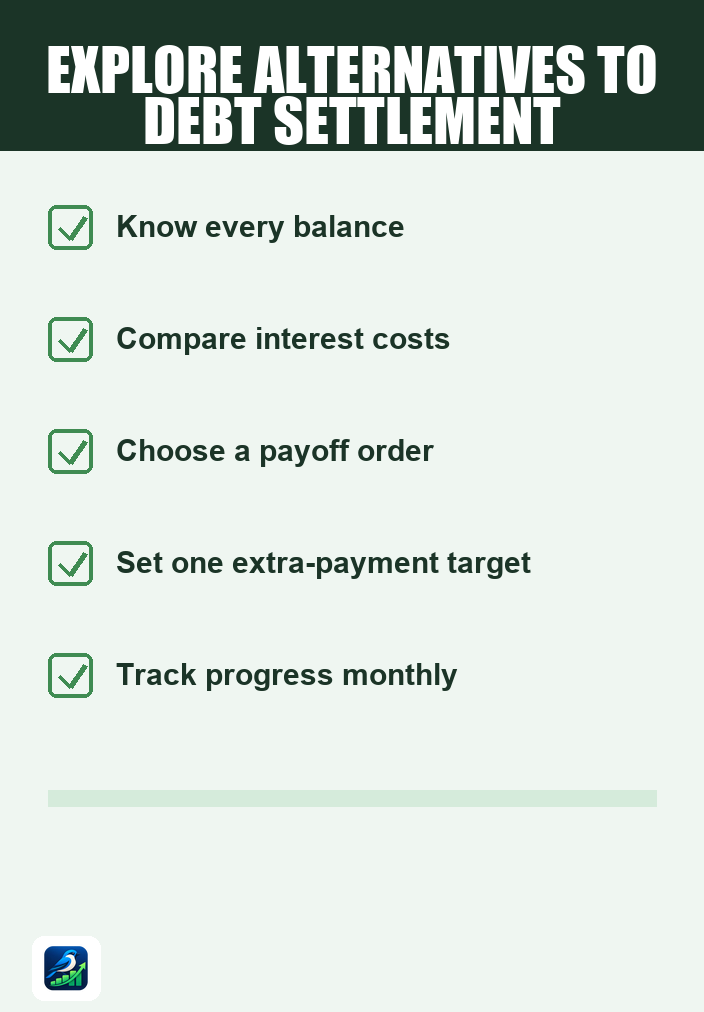
7. What Are My Alternatives to Debt Settlement?
Explore alternatives to debt settlement. For instance, if your credit score is still in good standing, you might qualify for a balance transfer credit card, allowing you to consolidate your debt at a lower interest rate. Alternatively, personal loans can provide a way to consolidate debt without the potential damage to your credit associated with settlement.
Evaluating Debt Settlement: Pros and Cons
While debt settlement can seem appealing, it’s vital to assess the pros and cons before proceeding:
Pros:
- Potentially Lower Payments: You could pay less than you owe if you successfully negotiate a settlement.
- Reduced Financial Stress: Settling debt can relieve some immediate financial burdens.
Cons:
- Impact on Credit Score: Debt settlement can lead to significant drops in your credit score.
- Tax Implications: The IRS may consider forgiven debt as taxable income.
- Possible Legal Action: Creditors may still pursue legal action against you while you’re negotiating.
Next Steps: Moving Forward with Your Debt Situation
Now that you’ve explored these questions and considered the options available, take some time to reflect on your next steps:
- Gather all your financial documentation and understand your total debt.
- Create a detailed budget to assess your financial situation.
- Consider reaching out to a credit counseling agency for professional advice.
- Weigh the pros and cons of debt settlement against other options.
- Make a decision that aligns with your financial goals and lifestyle.
By taking the time to explore these essential questions, you’ll be better equipped to navigate your debt situation and choose the path that’s right for you.



















