Understanding Your Needs Before the Interview
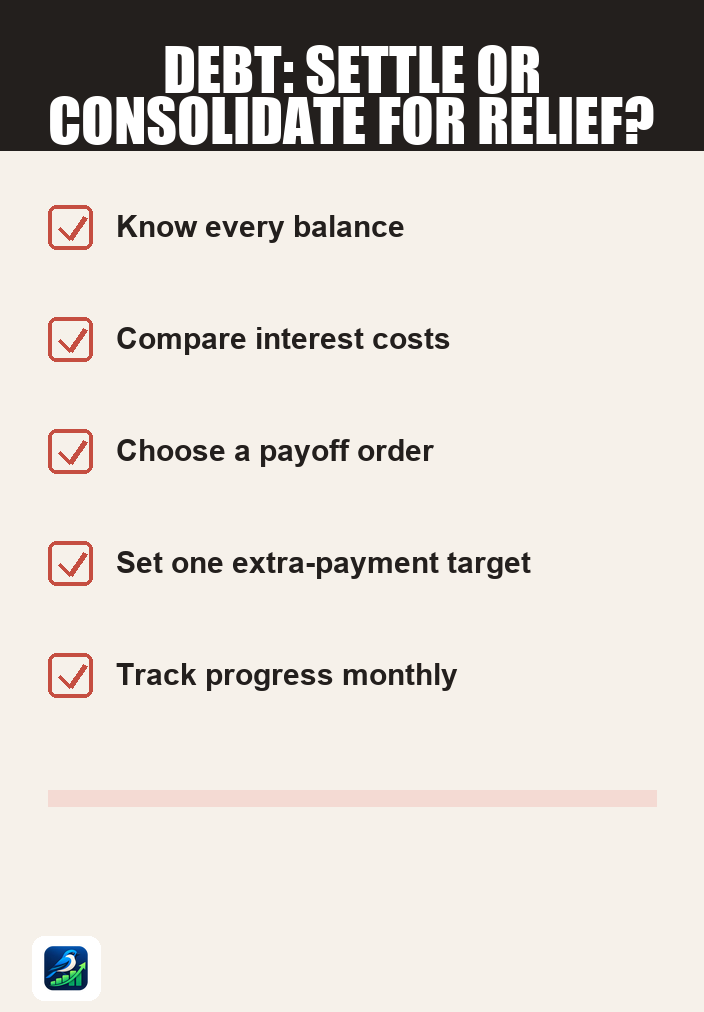
When seeking help from a debt relief company, the first critical mistake is not taking the time to assess your own financial situation. Before you start interviewing potential companies, it’s essential to understand your specific needs. Are you looking for debt consolidation, debt management, or debt settlement? Each option has different implications for your credit score and overall financial health.
For example, debt consolidation involves taking out a new loan to pay off multiple debts, which can simplify payments but may not lower your total debt. Debt management programs, on the other hand, often involve negotiating with creditors to reduce interest rates or monthly payments, but you may have to close your credit accounts. Debt settlement typically entails negotiating to pay a lump sum that is less than what you owe, which can harm your credit score.
Failing to Do Your Research
Another common mistake is not conducting thorough research on potential debt relief companies. Look for reviews, testimonials, and complaints. Check their standing with consumer protection agencies. Make sure to verify if the company is registered and complies with state regulations.
- Check for Licensing: Ensure the company is licensed in your state, as some states require debt relief companies to register.
- Read Reviews: Look for experiences from former clients. Websites, forums, and social media can provide insights.
- Watch for Red Flags: Be wary of companies that require upfront fees or promise guaranteed results.
Ignoring Transparency in Fees and Costs
A significant mistake is not asking about all the fees associated with the debt relief process. Debt relief companies may charge fees for their services, which can vary widely. Understanding the cost structure is crucial to avoid surprises down the line.
Ask specific questions such as:
- What are the initial and ongoing fees?
- Are there any performance-based fees?
- Will I be charged if I decide to leave the program early?
It’s vital to get this information in writing before you agree to anything. Remember, transparency is a sign of a reputable company.
Not Asking About the Company’s Process
Each debt relief company may have a different process. Failing to ask about their specific procedures can lead to misunderstandings about what to expect. For instance, some companies may require you to stop making payments to your creditors, which can lead to collection calls and damage your credit score.
Inquire about the following:
- What steps will they take to negotiate with creditors?
- How long will the process take?
- What kind of communication can you expect during the process?
Overlooking the Importance of Customer Support
Customer support can make a significant difference in your experience with a debt relief company. A lack of support can leave you feeling lost and stressed during an already challenging time. Don’t hesitate to ask about how you can reach them if you have questions or concerns.
- Availability: Are they available during business hours, or do they offer extended hours?
- Communication Channels: Can you contact them via phone, email, or chat?
- Response Time: How quickly do they typically respond to inquiries?
Failing to Understand the Impact on Your Credit Score
It’s crucial to recognize how debt relief methods can affect your credit score. Not asking about this impact can lead to unexpected consequences down the line. For example, while debt settlement can reduce your debt load, it may also result in significant damage to your credit score, especially if creditors report missed payments during the negotiation process.
Ask the company how their approach will specifically impact your credit. Understanding this will help you make an informed decision about whether the potential benefits outweigh the drawbacks.
Not Exploring Alternatives
Many individuals make the mistake of only considering debt relief companies without exploring other options. While these companies can offer assistance, it’s essential to know that you have alternatives.
- DIY Debt Management: You can negotiate with creditors on your own. This approach allows you to avoid fees associated with debt relief companies.
- Credit Counseling: Non-profit credit counseling agencies can provide guidance on budgeting and managing debt without the fees of for-profit companies.
- Bankruptcy: In some cases, bankruptcy may be a more viable option. It’s essential to consult with a legal professional to understand its implications fully.
Neglecting to Ask About Post-Program Support
Once your debt is settled or managed, what happens next? Many people forget to ask about the support available after the program ends. A good debt relief company should offer resources to help you rebuild your credit and maintain financial health.
Consider asking:
- What resources do you provide for financial education?
- Will you assist with budgeting or credit-building strategies?
- Do you offer continued support if I encounter issues after the program?
Skipping the Fine Print
Lastly, one of the most significant mistakes is skimming or completely bypassing the fine print in contracts. This document will outline your rights, responsibilities, and the company’s obligations. Not understanding the fine print can lead to unfavorable terms that you might regret later.
Before signing any agreement:
- Read the contract thoroughly.
- Ask for clarification on any terms you don’t understand.
- Consider seeking legal advice if necessary.
Next Steps: Making an Informed Decision
When interviewing a debt relief company, take the time to prepare and ask the right questions. Understanding your financial situation, researching potential companies, and being clear about fees and processes will empower you to make informed decisions. Remember to explore alternatives and consider the long-term impact of any decisions you make.
In the end, your goal is to find a solution that aligns with your financial needs and helps you regain control of your financial future. Don’t rush the process—take the time to find the right fit for you.