
Understanding the Debt Avalanche and Debt Snowball Methods
When it comes to paying off debt, individuals often face a daunting task, especially if they have multiple loans or credit card balances. Two popular strategies for tackling debt are the Debt Avalanche and Debt Snowball methods. Each approach has its own strengths and weaknesses, and figuring out which one works best for you can make a significant difference in your financial journey. In this article, we’ll explore these two methods, helping you understand their mechanics, trade-offs, and practical applications for faster debt payoff.
The Debt Avalanche Method Explained
The Debt Avalanche method focuses on paying off debts with the highest interest rates first. The logic behind this strategy is straightforward: by eliminating high-interest debts, you minimize the total interest paid over time, leading to faster overall payoff. Here’s how to implement it:
- List Your Debts: Begin by listing all your debts, including credit cards, loans, and any other outstanding obligations. Note the balance and interest rate for each.
- Order by Interest Rate: Organize your debts from highest to lowest interest rate.
- Make Minimum Payments: Continue making the minimum payments on all debts except the one with the highest interest rate.
- Allocate Extra Funds: Put any extra money toward the debt with the highest interest rate until it’s paid off.
- Repeat: Once the highest-interest debt is cleared, move to the next highest, repeating the process until all debts are paid off.
Benefits of the Debt Avalanche Method
- Less Interest Paid: By focusing on high-interest debts, you can save money in interest payments over time.
- Faster Payoff Timeline: This method typically leads to a quicker overall payoff since less interest accrues on larger balances.
- Logical Approach: It appeals to those who are motivated by numbers and prefer a method rooted in mathematical efficiency.
Potential Drawbacks
- Delayed Satisfaction: It might take longer to see progress, especially if the highest-interest debt is large, which can be discouraging.
- Requires Discipline: Staying committed to this method requires a strong sense of discipline and motivation.
The Debt Snowball Method Explained
The Debt Snowball method takes a different approach by focusing on paying off the smallest debts first. This strategy is built on the idea that small wins can provide the motivation needed to tackle larger debts. Here’s how to follow the Debt Snowball method:
- List Your Debts: Similar to the Avalanche method, list out all your debts, including balances.
- Order by Balance: Organize your debts from smallest to largest balance, regardless of interest rate.
- Make Minimum Payments: Ensure that you continue making minimum payments on all debts except for the smallest.
- Focus on the Smallest Debt: Put any extra funds toward the smallest debt until it’s paid off.
- Move Up the List: Once the smallest debt is cleared, move to the next smallest, repeating the process until all debts are eliminated.
Benefits of the Debt Snowball Method
- Quick Wins: Paying off smaller debts quickly can provide a psychological boost and motivation to continue.
- Increased Motivation: The sense of achievement from eliminating debts can lead to increased commitment to the overall debt payoff journey.
- Simpler Focus: It’s easier to focus on one manageable debt at a time rather than getting overwhelmed by the overall amount owed.
Potential Drawbacks
- Higher Overall Interest Paid: This method may result in higher interest payments over time due to neglecting high-interest debts initially.
- Longer Payoff Timeline: It can take longer to pay off larger debts with higher interest rates, which can be frustrating.
Choosing Between the Two Methods
Ultimately, the choice between the Debt Avalanche and Debt Snowball methods depends on your personal preferences, financial situation, and psychological factors. Here are a few questions to consider when making your decision:
- What motivates you? If you thrive on quick wins and immediate satisfaction, the Snowball method may be more appealing. If you prefer saving money and are motivated by financial logic, the Avalanche method could be the better choice.
- What are your debt sizes? If you have a mix of small and large debts, consider which method might help you feel less overwhelmed while still being effective.
- How disciplined are you? If you feel confident in your ability to stick to a plan without needing quick wins, the Avalanche method might work well for you.
Combining Strategies for Success
Some individuals find success by combining elements of both methods. For example, you might start with the Debt Snowball method to eliminate a couple of small debts for motivation and then switch to the Debt Avalanche method to tackle high-interest debts more efficiently. This hybrid approach allows for both psychological boosts and financial efficiency.
Practical Next Steps
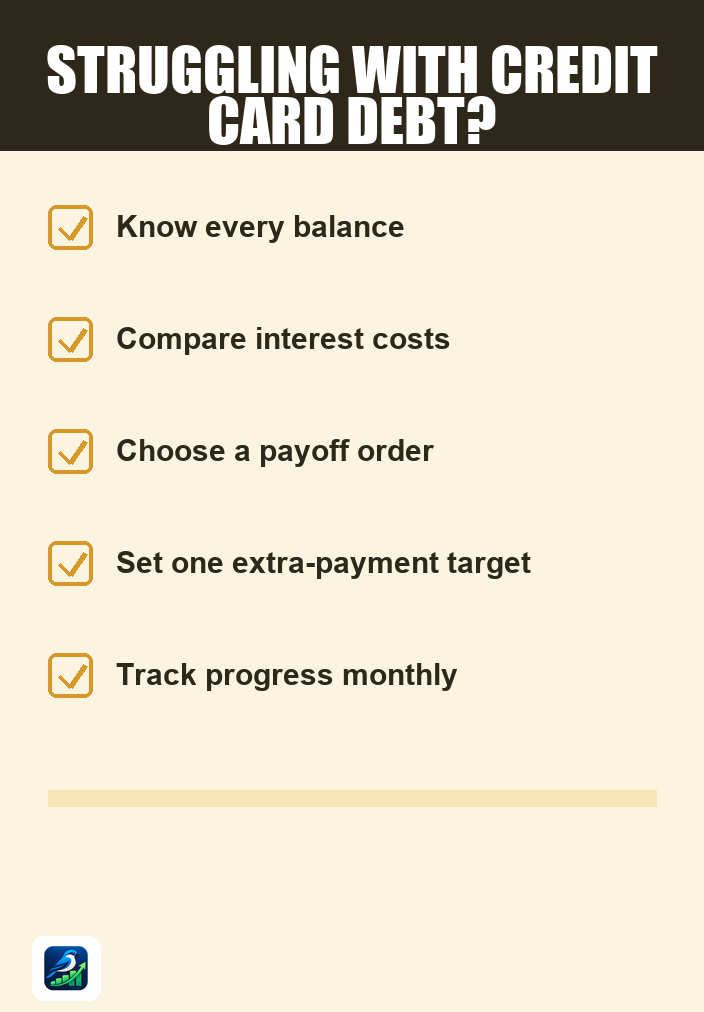
Now that you have a clearer understanding of both the Debt Avalanche and Debt Snowball methods, consider taking the following steps:
- Assess Your Debt Situation: List all your debts, including balances and interest rates.
- Decide on a Method: Choose the method that resonates more with you and aligns with your financial goals.
- Create a Budget: Develop a budget that allows you to allocate extra funds toward your debt payoff strategy.
- Stay Committed: Monitor your progress and adjust your strategy if necessary, staying flexible to find what works best for you.
Remember, the key to successful debt repayment is consistency and commitment. No matter which method you choose, taking action is the most important step toward regaining control of your financial future.



















