
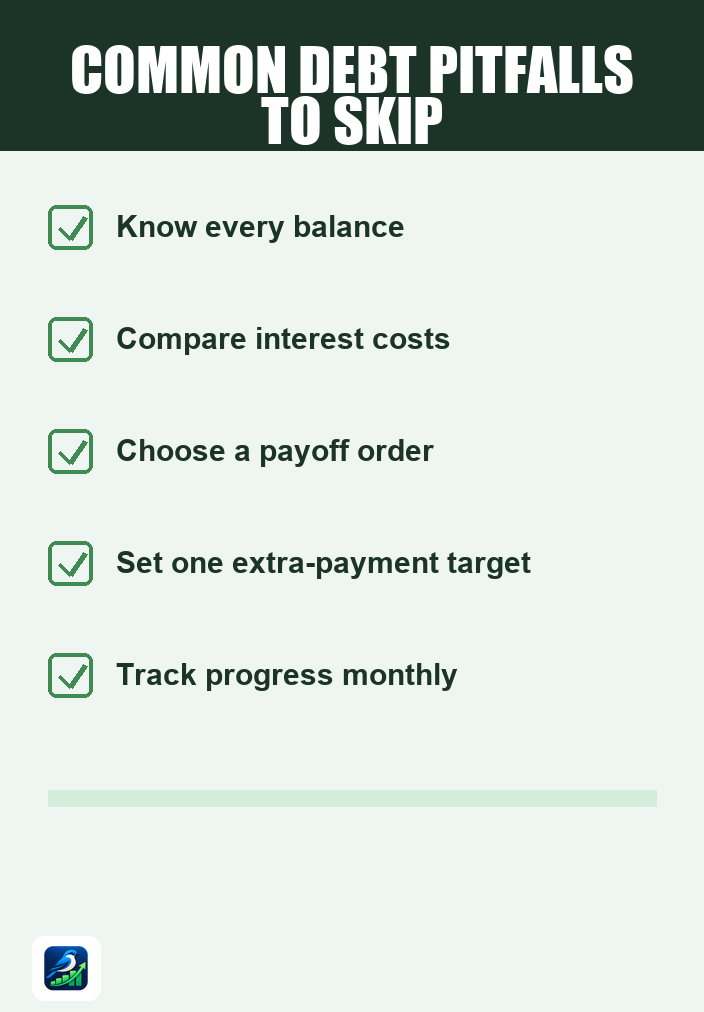
Understanding the Common Mistakes When Organizing Multiple Debts
Managing multiple debts can feel overwhelming, especially when you’re trying to find a way to bring order to the chaos. Many individuals encounter common pitfalls during this process that can hinder their progress and lead to further financial strain. In this article, we’ll discuss these mistakes, what to avoid, and how to create a more effective strategy for organizing your debts.
Failing to List All Debts Accurately
One of the first and most critical steps in managing multiple debts is to create a comprehensive list of what you owe. A common mistake is underestimating the total debt or forgetting to include smaller debts, which can lead to a false sense of security.
Practical Steps to Avoid This Mistake:
- Gather Documentation: Collect statements from all creditors, including credit cards, personal loans, and medical bills.
- Include All Debts: Don’t overlook smaller debts; even unpaid bills can add up.
- Record Details: For each debt, note the balance, interest rate, minimum payment, and due date.
By creating an accurate inventory of your debts, you’ll have a clearer picture of your financial situation, which is crucial for effective planning.
Ignoring Interest Rates and Terms
Many individuals organize their debts without paying attention to interest rates and terms, focusing solely on the amounts owed. This oversight can lead to higher overall payments and prolonged debt repayment periods.
How to Prioritize Wisely:
- Identify High-Interest Debts: Pay special attention to debts with the highest interest rates, as they can accumulate quickly.
- Consider Terms: Look at the payment terms and any penalties for late payments that could affect your strategy.
- Use a Debt Snowball or Avalanche Method: Decide whether to tackle small debts first for motivation (snowball) or focus on high-interest debts for financial efficiency (avalanche).
Understanding interest rates and terms can significantly impact your repayment strategy and help you save money in the long run.
Relying Solely on Debt Consolidation
While debt consolidation can be a viable option for some, many individuals mistakenly believe it’s a one-size-fits-all solution. Debt consolidation combines multiple debts into one, potentially simplifying payments and lowering interest rates. However, it’s essential to understand that it comes with its own set of challenges.
Consider the Trade-Offs:
- Fees and Terms: Some consolidation loans come with fees that can negate potential savings.
- Risk of Higher Debt: If you don’t change spending habits, you might end up accumulating more debt after consolidation.
- Impact on Credit Score: Closing old accounts can affect your credit utilization ratio and, consequently, your credit score.
Before proceeding with consolidation, carefully evaluate your financial habits and consider whether it will genuinely simplify your repayment process.
Neglecting to Create a Realistic Budget
Another common mistake is not aligning debt repayment with a realistic budget. Individuals often create plans that are too aggressive, leading to frustration and potential default.
Building a Sustainable Budget:
- Track Your Income and Expenses: Use budgeting tools or apps to understand your cash flow.
- Include Debt Payments: Factor in minimum debt payments alongside essential living expenses.
- Allow for Flexibility: Create a buffer for unexpected expenses to avoid falling behind.
A realistic budget that includes debt repayment can help you stay on track and avoid further financial strain.
Overlooking Professional Help
Many people shy away from seeking professional advice, believing they can manage everything independently. However, financial professionals can offer valuable insights and strategies that you may not have considered.
When to Seek Help:
- Complex Financial Situations: If your debts are overwhelming or involve multiple creditors.
- Credit Score Concerns: If you’re worried about how your debt management could impact your credit score.
- Legal Issues: If you face potential legal action from creditors.
Consulting a professional can provide personalized guidance tailored to your unique situation.
Not Understanding the Difference Between Debt Settlement and Other Options
Many individuals confuse debt settlement with other debt management strategies like consolidation or management. Debt settlement involves negotiating with creditors to pay less than what you owe, which may not be suitable for everyone and can have significant consequences.
Key Differences to Know:
- Debt Consolidation: Combines multiple debts into one loan, simplifying payments.
- Debt Management: Involves working with a credit counseling service to create a repayment plan.
- Debt Settlement: Negotiates a reduced payment with creditors but may impact your credit score negatively.
- Bankruptcy: A legal process that can eliminate or restructure debts but has long-term financial implications.
Understanding these differences can help you make informed decisions about the best approach for your situation.
Next Steps for Organizing Your Debts
Organizing multiple debts can be a daunting task, but avoiding these common mistakes can make the process smoother. Here are some actionable next steps:
- Create a comprehensive list of all your debts, including balances, interest rates, and minimum payments.
- Develop a realistic budget that incorporates debt repayment and allows for flexibility.
- Consider all your options, including consolidation, management, settlement, and bankruptcy, and understand the implications of each.
- Don’t hesitate to seek professional assistance if your situation feels overwhelming.
By taking these steps, you can regain control over your financial situation and work towards a more secure future.



















