
Understanding Debt Payoff Timelines
When it comes to tackling debt, understanding your payoff timeline is essential. It can help you plan your finances, set realistic goals, and stay motivated. However, estimating how long it will take to pay off your debt can be tricky. Many people fall into common pitfalls that can lead to inaccurate assumptions. This article will help you navigate those pitfalls and provide practical advice for estimating your debt payoff timeline more effectively.
Common Pitfalls in Estimating Debt Payoff Timelines
Many individuals make mistakes when calculating how long it will take to eliminate their debt. Being aware of these pitfalls can help you avoid them:
- Ignoring Interest Rates: One of the most significant factors in debt payoff timelines is interest rates. If you have debts with varying interest rates, this will affect how quickly you can pay them off. Many people overlook the impact of high-interest debt, like credit cards, which can increase the total amount owed over time.
- Not Considering Minimum Payments: Minimum payments are often much lower than what you might need to pay to make significant progress. Relying solely on minimum payments can extend your payoff timeline considerably.
- Assuming All Payments Are Equal: Not all debts are created equal. If you have multiple debts, the time it takes to pay each off can vary dramatically. Failing to recognize this can lead to underestimating how long it will take to become debt-free.
- Overlooking Lifestyle Changes: Unexpected expenses or lifestyle changes can derail your repayment plan. If you don’t account for these potential bumps in the road, you might find your timeline has stretched out longer than anticipated.
- Failing to Reassess Regularly: As financial situations evolve, it’s crucial to reassess your debt repayment plan regularly. Sticking to an outdated plan can lead to mistakes and miscalculations.
Steps to Create an Accurate Debt Payoff Timeline
To establish a more realistic timeline for paying off your debt, follow these steps:
1. List Your Debts
Start by compiling a comprehensive list of all your debts. Include the following details for each debt:
- Creditor name
- Total amount owed
- Interest rate
- Minimum monthly payment
- Due date
2. Calculate Your Total Debt
Sum up all the amounts owed to get a clear picture of your total debt. This step is crucial for understanding the full scope of your financial obligations.
3. Prioritize Your Debts
Consider the following methods to prioritize your debts:
- Debt Snowball Method: Focus on paying off the smallest debts first, which can provide quick wins and boost your motivation.
- Debt Avalanche Method: Prioritize debts with the highest interest rates to save money on interest over time.
4. Estimate Your Monthly Payment
Determine how much you can afford to pay toward your debts each month. This amount should be more than the minimum payments to help reduce your debt faster.
5. Use a Debt Payoff Calculator
Utilize a debt payoff calculator to input your debts, interest rates, and monthly payment amounts. This tool can help you visualize your payoff timeline and understand how long it will take to become debt-free.
6. Factor in Extra Payments
If you plan to make additional payments toward your debt, be sure to account for them in your calculations. Even small extra payments can significantly shorten your payoff timeline.
Monitoring and Adjusting Your Plan
Once you have an initial timeline, it’s essential to monitor your progress and adjust your plan as needed.
1. Track Your Progress
Regularly check your balances and note your progress. This will help you stay motivated and ensure that you’re on track to meet your goals.
2. Reassess Your Budget
Your financial situation may change over time. Regularly review your budget, and adjust your debt repayment plan accordingly. If you experience an increase in income or a decrease in expenses, consider allocating more money toward debt repayment.
3. Prepare for the Unexpected
Life can be unpredictable. Be prepared for unexpected expenses that may arise, such as medical bills or car repairs. Having a small emergency fund can help you manage these situations without derailing your debt repayment plan.
Understanding Debt Relief Options
If you find that your debt is overwhelming, you might consider various debt relief options. Here’s a brief overview:
- Debt Consolidation: This involves combining multiple debts into one loan, ideally with a lower interest rate. While this can simplify payments, it may not reduce the total amount owed.
- Debt Management Plans: Offered by credit counseling agencies, these plans can help you negotiate lower interest rates and consolidate payments. However, they may require closing credit accounts and can impact your credit score.
- Debt Settlement: This involves negotiating a lower amount to pay off debt. It can be risky, as it may affect your credit score and often requires a lump-sum payment.
- Bankruptcy: As a last resort, bankruptcy can eliminate or restructure debts. It has serious long-term consequences and should be considered only after exploring other options.
Each option has its pros and cons, so it’s essential to weigh these carefully and consider seeking professional guidance.
Practical Next Steps
To put your plan into action:
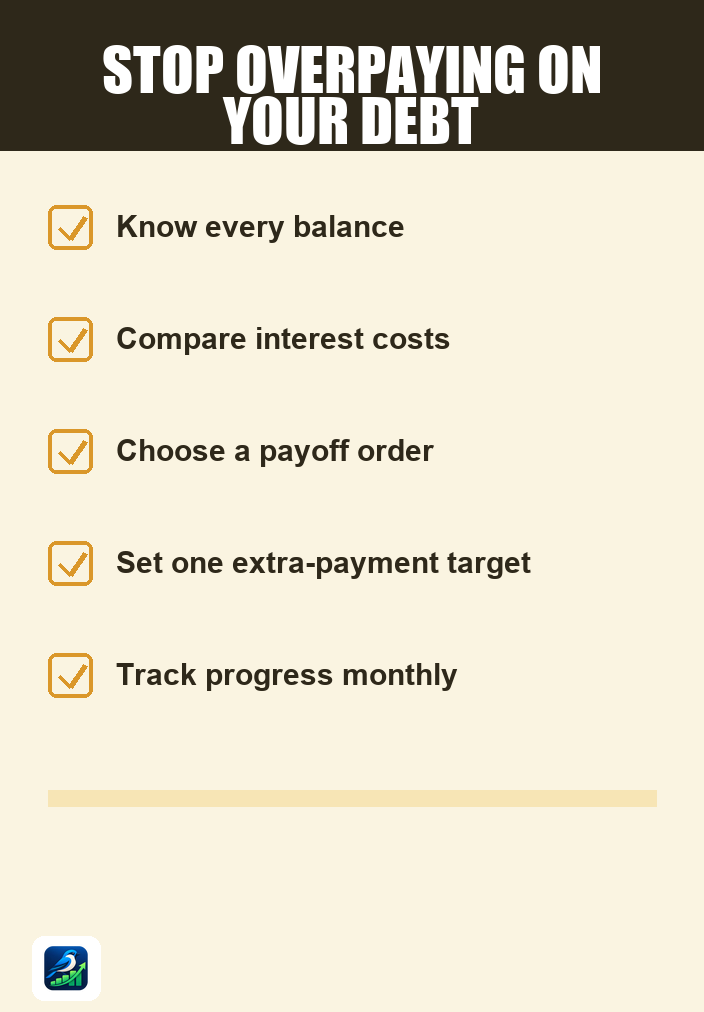
- Gather information on all your debts.
- Use a debt payoff calculator to estimate timelines.
- Set a budget and determine how much you can pay monthly.
- Monitor your progress and adjust your plan as necessary.
- Consider debt relief options if needed, and consult professionals for tailored advice.
By following these guidelines, you can navigate the complexities of estimating debt payoff timelines and avoid common pitfalls. Remember, every step you take brings you closer to financial freedom!



















