
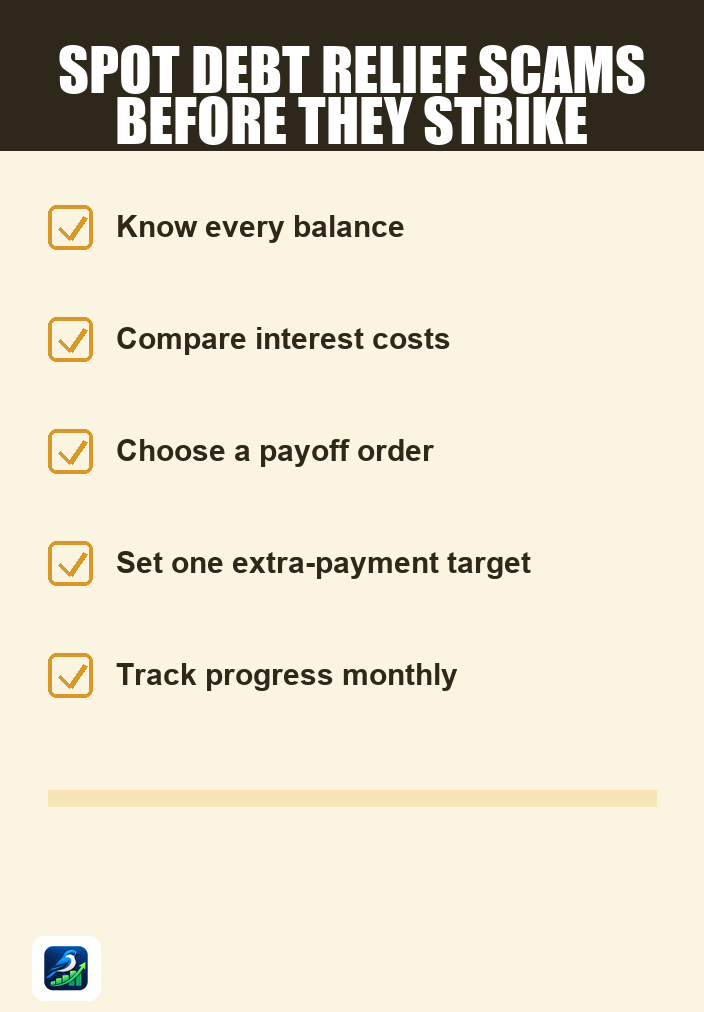
Understanding Debt Relief Scams: The Importance of Awareness
Debt relief can seem like a lifeline for those struggling with financial burdens. However, the rise of scams in this field makes it crucial to recognize red flags when seeking help. By equipping yourself with knowledge about common warning signs, you can protect yourself from falling victim to fraudulent schemes. This article provides a checklist of essential warning signs to watch for when considering debt relief options.
Recognizing Red Flags: Key Warning Signs of Debt Relief Scams
Identifying potential scams is vital. Here are the most significant warning signs to consider:
- Upfront Fees: A common tactic used by scammers is to demand payment before services are rendered. Legitimate debt relief organizations typically charge fees only after they have successfully negotiated or settled your debts.
- Guaranteed Results: Be cautious of any company that promises specific outcomes, such as a guaranteed reduction of your debt or an increase in your credit score. Financial circumstances can vary greatly, and no one can guarantee results.
- Pressure Tactics: Scammers often use high-pressure sales tactics to rush you into making decisions. If you feel pushed to sign up for a program or provide personal information, take a step back.
- Lack of Transparency: If a company is not willing to provide clear information about their services, fees, or how their process works, it’s a major red flag. Always ask for details and be wary of vague responses.
- Unlicensed Operations: Check whether the debt relief organization is licensed in your state. Many states require debt relief companies to register and adhere to specific guidelines.
- Unrealistic Claims: Be skeptical of claims that sound too good to be true, such as promises to eliminate debt in a matter of months or the ability to settle debts for a fraction of what you owe.
Common Debt Relief Options: Understanding the Landscape
Before diving into the specifics of scams, it’s helpful to understand the legitimate debt relief options available. Knowing the differences can prevent you from falling prey to fraudulent schemes.
Debt Consolidation
This involves combining multiple debts into a single loan, often with a lower interest rate. While this can simplify payments, it may extend the repayment period and not necessarily reduce the total amount owed.
Debt Management
Debt management involves working with a credit counseling service to create a plan to repay your debts. These services may negotiate lower interest rates with creditors, but they usually charge a fee for their services.
Debt Settlement
Debt settlement entails negotiating with creditors to pay less than the total amount owed. While this approach can reduce debt, it may negatively impact your credit score and involve potential tax consequences on forgiven debt.
Bankruptcy
This is a legal process that can eliminate or restructure debts. Bankruptcy can provide relief, but it has long-lasting effects on your credit history and should be considered a last resort.
Practical Steps to Protect Yourself from Scams
To safeguard yourself from debt relief scams, follow these practical steps:
- Research Thoroughly: Look up reviews and ratings for any debt relief company you consider. Websites that compile consumer feedback can provide insight into a company’s reputation.
- Consult with a Nonprofit: Reach out to a nonprofit credit counseling agency for free advice and guidance. They can help you understand your options without pushing you into a potentially harmful program.
- Verify Credentials: Ensure that any company you are considering is accredited and licensed in your state. This can help you avoid untrustworthy operators.
- Read Contracts Carefully: Before signing any agreements, read the fine print. Make sure you understand all fees, terms, and conditions.
- Trust Your Instincts: If something feels off or too good to be true, it probably is. Always prioritize your intuition when assessing a company.
The Importance of Professional Guidance
When navigating debt relief options, the rules can be complex and vary significantly by state. Consulting with a financial advisor or a legal professional can provide clarity on your best course of action. They can guide you through the potential legal and tax consequences associated with various debt relief methods.
Next Steps: Be Proactive in Your Financial Journey
Recognizing debt relief scams starts with education and awareness. By understanding your options and the warning signs of scams, you can make informed decisions about managing your debt. Here’s what you can do next:
- Assess your financial situation and determine what type of debt relief may be best for you.
- Research reputable organizations, focusing on those with positive reviews and transparent practices.
- Consider scheduling a consultation with a credit counselor to explore legitimate options.
Staying informed and vigilant will empower you to take control of your financial future, ensuring that you seek out only trustworthy assistance in your journey toward debt relief.



















