
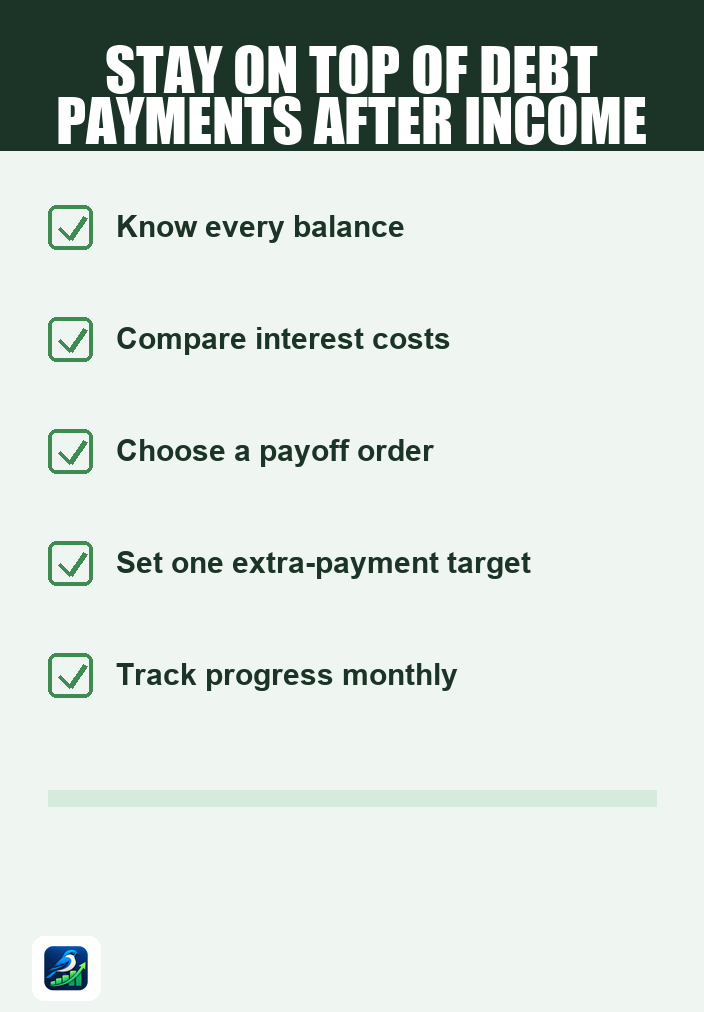
Understanding the Impact of an Income Drop on Your Debt Payments
Facing an income drop can be a challenging experience, especially when you have existing debt obligations. Whether due to job loss, reduced hours, or other unforeseen circumstances, a decrease in income can significantly affect your ability to make timely debt payments. However, understanding your options and taking proactive steps can help you navigate this difficult period. Here’s an essential checklist to guide your financial strategy when dealing with debt payments after an income drop.
Assess Your Current Financial Situation
The first step in managing your debt during an income drop is to get a clear picture of your financial situation. This means evaluating your income, expenses, and overall debt load.
1. Calculate Your New Income
- Determine your new monthly income after the drop.
- Consider any additional sources of income, such as unemployment benefits or side gigs.
2. List All Your Expenses
- Track fixed expenses (rent/mortgage, utilities, insurance).
- Include variable expenses (groceries, transportation, entertainment).
3. Review Your Debt Obligations
- Make a list of all debts, including credit cards, loans, and any other financial obligations.
- Note the minimum payments, interest rates, and due dates for each debt.
By having a comprehensive view of your financial situation, you can identify how much you can allocate toward debt payments each month.
Prioritize Your Expenses and Debt Payments
Once you have a clear understanding of your financial situation, it’s time to prioritize your expenses and debt payments. When income decreases, it becomes crucial to focus on what is necessary for your survival and financial stability.
1. Essential vs. Non-Essential Expenses
- Identify essential expenses that you cannot eliminate, such as housing and utilities.
- Cut back on non-essential expenses, like dining out or subscription services.
2. Prioritize Debt Payments
- Focus on debts with the highest interest rates first, as they can accumulate quickly.
- Consider current minimum payments to avoid late fees and negative impacts on your credit score.
Establishing a priority list will help you allocate your limited resources effectively and ensure that your most critical needs are met.
Explore Debt Management Options
If you’ve assessed your finances and need additional support, consider exploring various debt management options. Remember that each option has its pros and cons, and not all will fit your situation.
1. Debt Consolidation
- This involves combining multiple debts into a single loan, often with a lower interest rate.
- Pros: Simplifies payments and may reduce monthly payments.
- Cons: May require good credit to qualify for favorable terms, and it doesn’t address underlying spending habits.
2. Debt Management Plans (DMP)
- A DMP involves working with a credit counseling agency to create a structured payment plan.
- Pros: Can lower interest rates and fees; provides a clear path to becoming debt-free.
- Cons: Requires discipline and commitment, and may affect your credit score.
3. Debt Settlement
- This involves negotiating with creditors to settle for less than what you owe.
- Pros: Can reduce total debt owed.
- Cons: Can negatively impact your credit score and is not guaranteed to work; may involve fees.
4. Bankruptcy
- Filing for bankruptcy can provide relief from debt but comes with long-term consequences.
- Pros: Can discharge certain debts and provide a fresh start.
- Cons: Significant impact on credit score and potential loss of assets; may not eliminate all debts.
Before deciding on any of these options, consider seeking guidance from a financial professional to understand the implications fully.
Communicate with Creditors
If you’re struggling to make payments, it’s essential to communicate with your creditors. Ignoring the situation can lead to more significant problems down the line.
1. Reach Out Early
- Contact your creditors as soon as you realize you may miss a payment.
- Be honest about your situation and ask about hardship programs or alternative payment arrangements.
2. Document Everything
- Keep records of all communications with your creditors.
- Note any agreements made or promises given.
Open communication can lead to solutions that may help you manage your debt more effectively during this challenging time.
Establish a Budget and Stick to It
Creating a budget is crucial when navigating debt payments after an income drop. A budget helps you control your spending and allocate funds toward your debts.
1. Create a Simple Budget
- List all sources of income and total them up.
- Subtract your essential expenses and debt payments from your income.
- Allocate any remaining funds to savings or discretionary spending.
2. Monitor and Adjust Regularly
- Review your budget monthly to see if adjustments are needed.
- Look for areas to cut back further if necessary.
Sticking to a budget will not only help you manage your current financial situation but also allow you to plan for recovery once your income stabilizes.
Prepare for the Future
While managing your debt payments during an income drop is critical, it’s also essential to prepare for the future. This includes building an emergency fund and ensuring your financial strategy is adaptable.
1. Build an Emergency Fund
- Aim to save a small portion of your income, even if it’s just a little.
- An emergency fund can help cushion against future income fluctuations.
2. Stay Informed and Flexible
- Keep up with your financial situation and be ready to make changes as needed.
- Consider seeking professional advice periodically to ensure you’re on the right track.
Planning for the future can provide peace of mind and a sense of control over your financial situation.
Next Steps
Dealing with debt payments after an income drop can be daunting, but you have options. Start by assessing your financial situation, prioritizing your expenses, exploring debt management strategies, communicating with creditors, and sticking to a budget. By taking proactive steps and preparing for the future, you can navigate this challenging period and work towards regaining financial stability.



















