
Understanding Minimum Payment Payoff Estimates
When managing consumer debt, you often face a choice between making minimum payments or paying down your balance in full. Each strategy has its own implications, especially regarding how quickly you can become debt-free and how much interest you’ll ultimately pay. Understanding these options is key to making informed financial decisions.
How Minimum Payments Work
Minimum payments are the smallest amount you can pay on your debt without incurring a penalty. These payments are usually calculated as a percentage of your total outstanding balance or as a fixed dollar amount. For many, minimum payments provide immediate relief by allowing for more cash flow in the short term. However, this strategy often leads to prolonged debt duration and increased interest costs.
Impact of Interest Rates
Interest rates significantly affect the overall cost of maintaining a debt. If your debt carries a high-interest rate, making only minimum payments can be particularly costly. The longer you take to pay off the debt, the more interest accumulates, leading to a situation where you may end up paying much more than the original amount borrowed.
Calculating the Cost of Minimum Payments
To illustrate the cost implications of minimum payments, consider the following example:
- Debt Amount: $5,000
- Annual Interest Rate: 18%
- Minimum Payment: 2% of the balance or $50, whichever is greater
Using this scenario, if you only make minimum payments, it could take you over 7 years to pay off the debt, and you may pay around $2,000 in interest. This demonstrates how opting for minimum payments can extend your debt repayment timeline and increase your total financial burden.
Full Balance Payments: The Benefits
Paying off your debt in full can be a more effective strategy for several reasons:
- Interest Savings: By paying off the full balance, you eliminate interest charges that would accrue over time.
- Debt-Free Sooner: Full payments allow you to close accounts more quickly, freeing up your finances for other goals.
- Improved Credit Utilization: Lowering your overall debt can positively affect your credit score, as it reduces your credit utilization ratio.
Example of Full Balance Payment
Returning to our previous example, if you decided to pay off the $5,000 debt in full, you would incur no additional interest charges beyond what you’ve already accrued up to the date of payment. This means you can eliminate the debt instantly rather than letting it linger for years.
Comparing Strategies: A Practical Approach
When deciding between minimum payments and full balance payments, consider the following criteria:
- Financial Situation: Assess your current financial health. Do you have enough funds to make full payments, or would it strain your budget?
- Interest Rates: Evaluate the interest rates on your debts. Higher rates will make minimum payments more costly over time.
- Future Financial Goals: Consider your short- and long-term financial objectives. Do you want to be debt-free quickly, or are you prioritizing other financial commitments?
Trade-offs of Each Strategy
While making minimum payments can provide temporary relief, it often leads to higher overall costs and a longer repayment period. On the other hand, paying off your balance in full can save money on interest and help you achieve financial freedom sooner. However, this approach requires sufficient cash flow and may not be feasible for everyone, especially during financial hardships.
Debt Consolidation and Management
For those struggling with multiple debts, debt consolidation or management might be a viable option. These strategies involve combining debts into a single payment plan, often with a lower interest rate. This can reduce monthly payments and simplify your financial obligations. However, debt consolidation may not be the best fit for everyone, and it’s essential to weigh the pros and cons.
Debt Settlement and Bankruptcy
Although debt settlement can reduce the total amount owed, it may impact your credit score negatively and is not a guaranteed solution. Bankruptcy is a legal option for overwhelming debt but has long-term implications on your credit and financial future. Both options should be considered carefully, ideally with professional guidance.
Conclusion: Making an Informed Decision
In summary, the choice between minimum payments and full balance payments depends on your financial situation, goals, and the specifics of your debt. Minimum payments may offer short-term relief but can lead to long-term financial strain. Full payments eliminate debt faster and save on interest, making it an appealing option for those who can manage it.
Next Steps
To determine the best strategy for your situation:
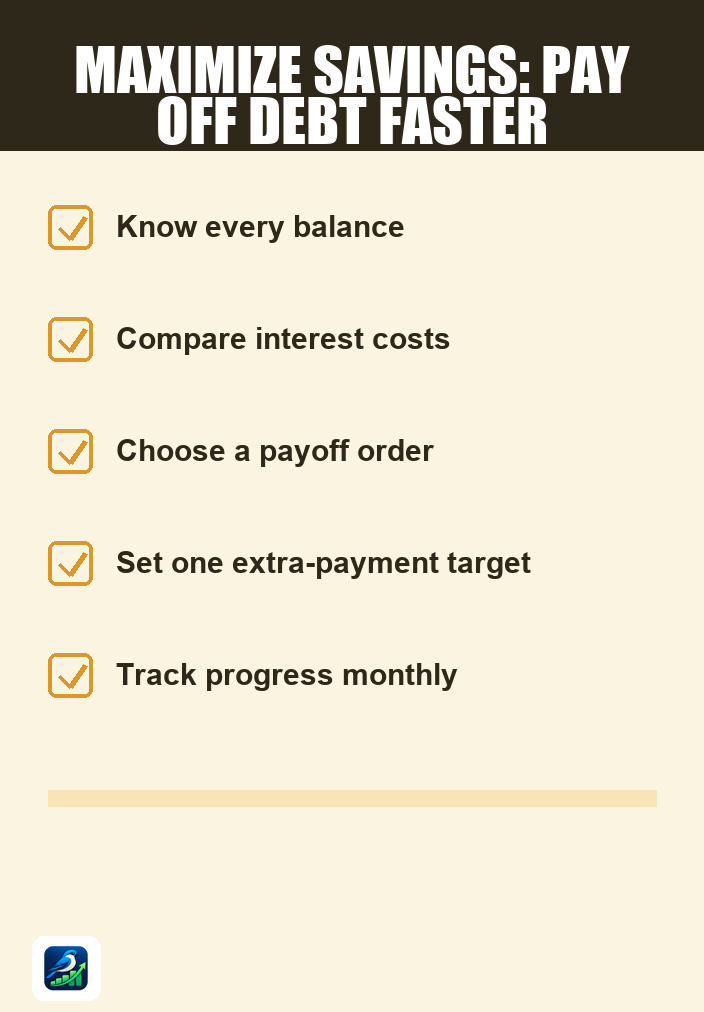
- Assess your total debt and interest rates.
- Evaluate your current financial status and cash flow.
- Consider your future financial goals and how each payment strategy aligns with them.
- If necessary, consult with a financial advisor or credit counselor for personalized guidance.
Understanding the implications of your payment strategy is crucial in successfully managing and overcoming consumer debt.



















