
Understanding Debt Relief Consultations
Debt relief consultations are designed to help you navigate your financial struggles and explore options for reducing or managing your debt. However, these consultations can vary greatly in quality and cost. To maximize the value of your consultation without overspending, it’s crucial to approach it strategically.
Know Your Goals Before the Consultation
Before you sit down for a consultation, take time to clarify your financial situation and what you want to achieve. This will help you focus the conversation and ensure you’re getting the most relevant advice.
- Identify your debt: List all your debts, including amounts, interest rates, and monthly payments. Knowing this information is vital for understanding your options.
- Set clear objectives: Are you looking to consolidate debts, negotiate settlements, or explore bankruptcy? Each goal requires different strategies.
- Establish a budget: Determine how much you can afford to spend on consultation fees while still leaving room for any potential debt relief programs.
Choose the Right Type of Consultation
Not all debt relief consultations are created equal. Understanding the different types available can help you choose one that aligns with your goals and budget.
1. Free Initial Consultations
Many debt relief companies offer a free initial consultation. This option can be a great way to gather information without financial commitment. However, be cautious:
- Assess the company’s credibility before relying on their advice.
- Prepare specific questions to make the most of your time.
2. Hourly Consultations
Some financial advisors charge by the hour. This can be beneficial if you need personalized advice tailored to your situation. To maximize this type of consultation:
- Come prepared with all your financial documents.
- Focus on specific questions to avoid wasting time.
3. Ongoing Financial Coaching
If you need more extensive help over time, consider hiring a financial coach. While this option may be pricier upfront, it could provide ongoing support as you work through your debt situation. However, it’s essential to evaluate your needs and see if this is truly necessary.
Prepare Questions to Guide the Conversation
Preparation is key to a successful debt relief consultation. Having a list of targeted questions can help you stay focused and ensure you are getting the information you need.
- What are my options for debt relief? Ask the consultant to explain various options such as debt consolidation, management, settlement, or bankruptcy.
- What are the pros and cons of each option? Understanding the trade-offs will help you make an informed decision.
- What fees should I expect? Clarify any costs associated with their services and any potential hidden fees.
- How long will the process take? Get a rough timeline for the options discussed to set realistic expectations.
Evaluate the Advice Received
After your consultation, take a moment to reflect on the advice you received. Here are some steps to evaluate its usefulness:
- Research the options: Look up the different debt relief strategies discussed to determine if they align with what you have learned.
- Consider getting a second opinion: It’s often wise to consult with another advisor or financial expert to compare advice.
- Check for red flags: If the consultant promises guaranteed results or pressures you to make decisions quickly, this is a warning sign.
Understand the Costs and Trade-offs
While exploring debt relief options, it’s essential to understand that many solutions come with costs, both financial and personal. Here’s a breakdown of common options:
Debt Consolidation
This involves combining multiple debts into a single loan, often with a lower interest rate. However, make sure you:
- Understand the terms of the new loan.
- Recognize that consolidating doesn’t eliminate debt; it can sometimes extend the repayment period.
Debt Management Plans
These plans involve working with a credit counseling agency to create a strategy to repay your debts over time. Keep in mind:
- There may be fees associated with setting up the plan.
- Success depends on your commitment to the plan.
Debt Settlement
This strategy involves negotiating with creditors to settle debts for less than owed. Be cautious about:
- The potential impact on your credit score.
- Fees charged by debt settlement companies.
- The possibility of tax implications on forgiven debt.
Bankruptcy
Filing for bankruptcy can provide relief, but it’s a significant financial decision:
- It may affect your credit for years.
- Consulting a bankruptcy attorney is advisable for understanding the long-term consequences.
Next Steps for Debt Relief
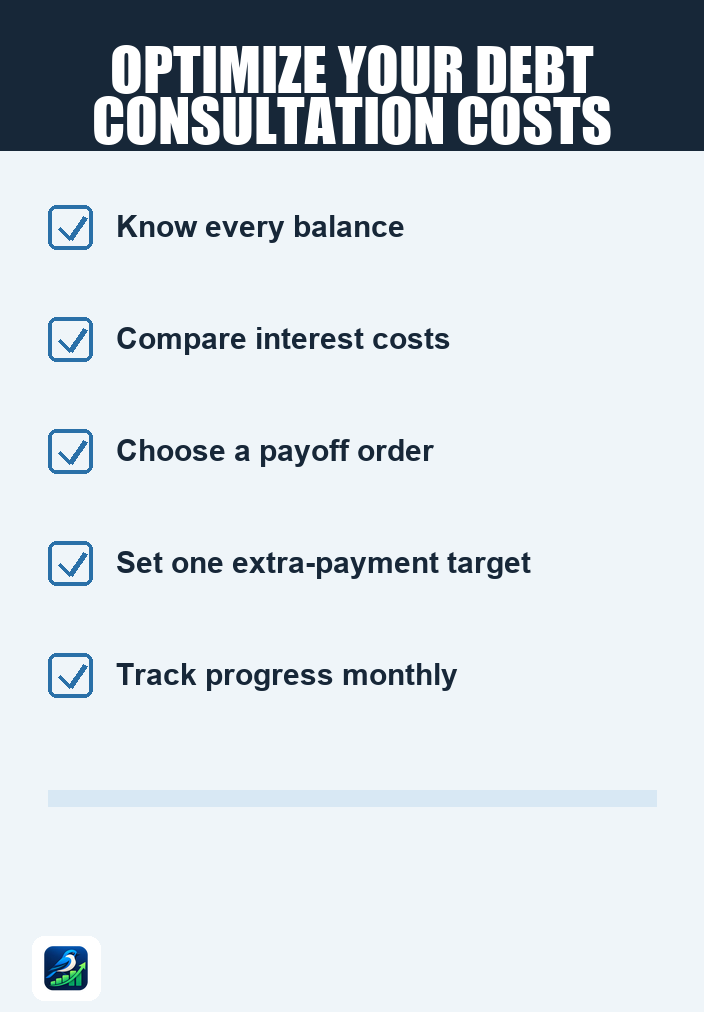
To maximize your debt relief consultation without overspending, follow these steps:
- Clarify your financial goals and prepare relevant questions.
- Choose a consultation type that fits your needs and budget.
- Evaluate the advice critically and consider alternatives if necessary.
- Research your options thoroughly before making decisions.
- Consult with professionals as needed to ensure informed choices.
Taking these steps will help you make the most of your debt relief consultation while keeping costs manageable and ensuring you receive valuable guidance tailored to your needs.



















