
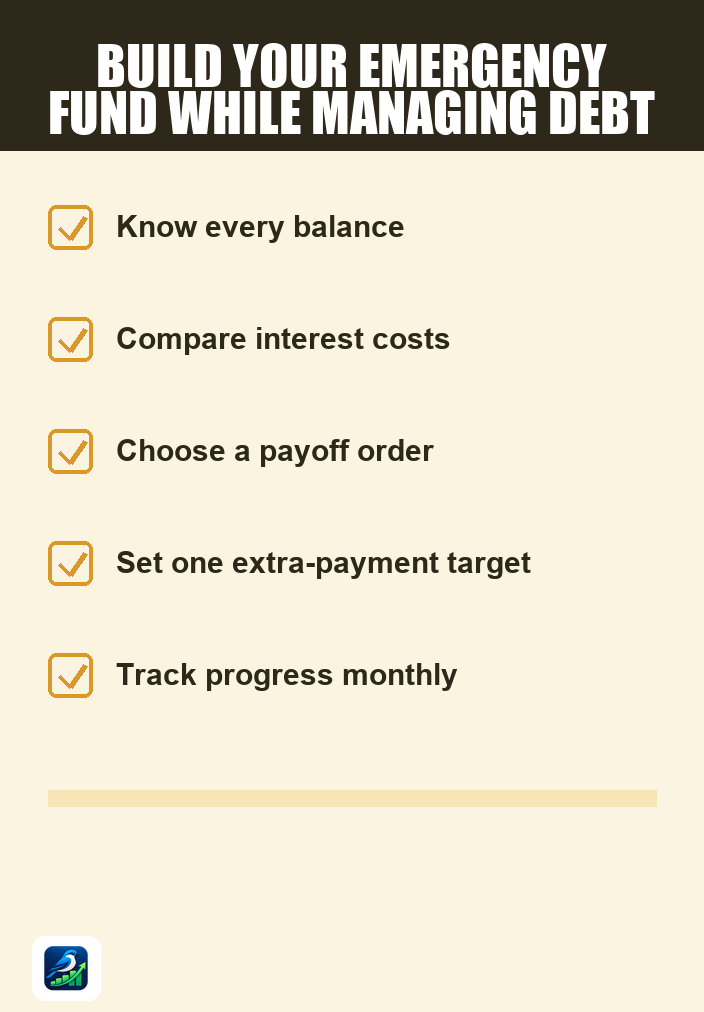
Understanding the Balance: Building an Emergency Savings Fund While Managing Debt
Building an emergency savings fund is crucial, especially when you’re dealing with debt. While it may seem counterintuitive to save money when you owe money, having a financial cushion can prevent you from falling deeper into debt during unexpected situations. This article will provide you with three essential cost breakdown tips for establishing an emergency savings fund while managing your debt effectively.
1. Assess Your Current Financial Situation
Before you can create a plan for your emergency fund, you need to have a clear understanding of your current financial landscape. This involves evaluating your income, expenses, and debt obligations. Here’s how you can break it down:
Calculate Your Monthly Income
- Identify all sources of income, including salary, side gigs, or any passive income.
- Ensure you consider only net income (after taxes) for more accurate budgeting.
List Your Monthly Expenses
- Track fixed expenses such as rent, utilities, and debt payments. These are non-negotiable costs.
- Identify variable expenses like groceries, entertainment, and transportation, which can be adjusted if necessary.
Evaluate Your Debt
- List all debts, including credit cards, loans, and any other obligations.
- Note interest rates and minimum monthly payments.
By understanding your income and expenses, you can identify how much money you can realistically set aside for savings while still meeting your debt obligations each month.
2. Create a Balanced Budget Focused on Savings
Once you’ve assessed your financial situation, the next step is to create a budget that accommodates both debt repayment and savings. Here’s how to balance these two priorities:
Establish a Budgeting Framework
- Consider using the 50/30/20 rule, where 50% of your income goes to needs (rent, utilities), 30% to wants (dining out, entertainment), and 20% to savings and debt repayment.
- Adjust these percentages based on your financial goals and obligations. If you’re in significant debt, you might want to allocate more than 20% to debt repayment initially.
Set Specific Savings Goals
- Determine how much you want to save for your emergency fund. A common recommendation is to aim for three to six months’ worth of living expenses.
- Break this goal down into smaller, achievable milestones. For example, if your goal is to save $1,500, aim to save $125 each month for a year.
Automate Your Savings
To make saving easier, consider automating transfers from your checking account to your savings account. This way, you treat your savings goal as a recurring bill, ensuring you consistently contribute to your emergency fund without having to think about it.
3. Find Additional Income Streams and Cut Unnecessary Costs
If your budget is tight, you may need to find ways to increase your income or reduce expenses to make room for your emergency savings. Here are some strategies:
Explore Side Gigs
- Consider freelance work, part-time jobs, or selling unwanted items online. Every extra dollar earned can go directly into your emergency savings.
- Look for opportunities that align with your skills and interests to make it easier to commit to this additional work.
Identify Areas to Cut Back
- Review your discretionary spending. Are there subscriptions you don’t use or dining out expenses that can be reduced?
- Consider making small lifestyle changes, such as cooking at home more often or finding free entertainment options.
Prioritize Debt Repayment Wisely
While saving is important, so is managing your debt. If you’re dealing with high-interest debt, focus on paying it down while still setting aside a small amount for savings. This can help you avoid further debt in emergencies.
Final Thoughts and Next Steps
Building an emergency savings fund while managing debt is a challenging but achievable goal. Start by assessing your finances, create a balanced budget that accommodates both savings and debt repayment, and look for ways to increase income while cutting unnecessary costs. Remember, every step you take towards saving, no matter how small, is a step in the right direction.
As you embark on this journey, consider revisiting your budget regularly and adjusting as necessary. If your financial situation changes or you find it difficult to manage your debt, seeking professional financial guidance may be a wise choice. With patience and persistence, you can create a safety net that provides peace of mind during unexpected financial challenges.



















