
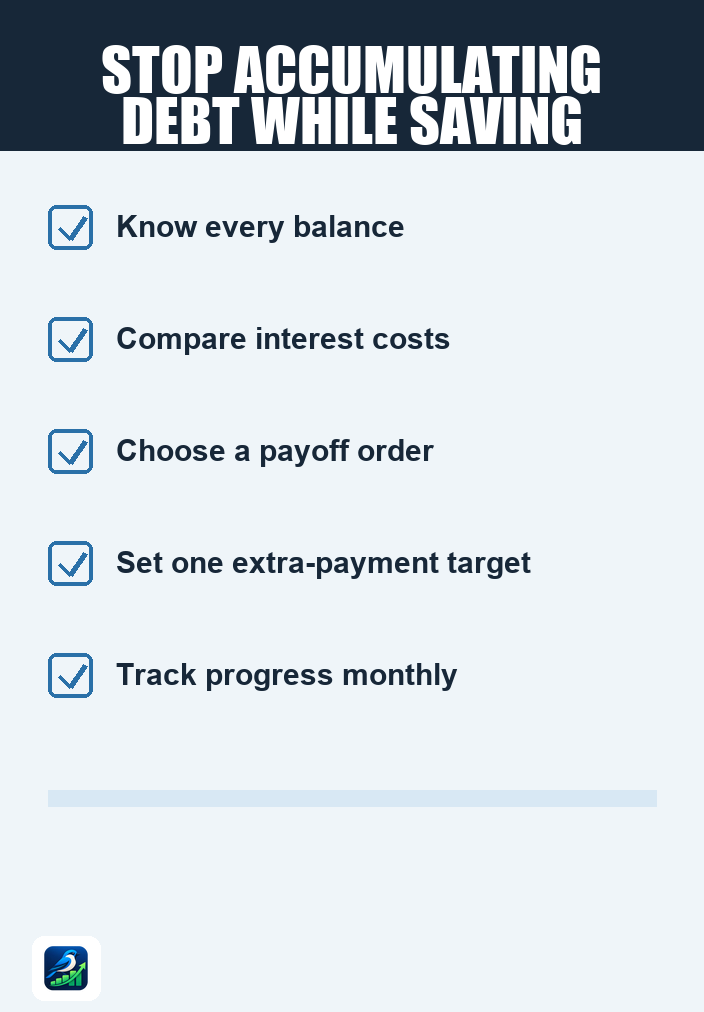
Your Essential Checklist for Saving While Avoiding New Debt
Managing finances while saving money can feel like walking a tightrope, especially for those navigating the complexities of consumer debt. The good news is that with a strategic approach, it’s possible to save effectively while steering clear of new debt. This checklist provides practical steps to help you organize your finances, reduce expenses, and prioritize saving—all while avoiding the pitfalls of accumulating more debt.
Understand Your Financial Situation
Before you can save money or avoid new debt, you need a clear understanding of your current financial landscape. This involves examining both your income and your expenses.
1. Create a Detailed Budget
- Track income: List all sources of income, including salary, freelance work, and side gigs.
- Log expenses: Document all monthly expenses, categorizing them into fixed (rent, utilities) and variable (groceries, entertainment).
- Identify discretionary spending: Look for areas where you can cut back without impacting your quality of life.
A budget is a living document. Review it regularly to ensure you stay on track and make adjustments as needed.
Establish an Emergency Fund
An emergency fund is a safety net that can help you avoid taking on new debt when unexpected expenses arise.
2. Set a Savings Goal
- Determine the amount: Aim for three to six months’ worth of living expenses, depending on your comfort level.
- Open a dedicated savings account: Keep your emergency fund separate from your checking account to avoid temptation.
- Automate savings: Set up automatic transfers from your checking to your savings account each payday.
Having an emergency fund can provide peace of mind and reduce the likelihood of relying on credit in times of need.
Cut Unnecessary Expenses
To free up cash for savings, it’s essential to identify and eliminate unnecessary expenses.
3. Review Subscriptions and Memberships
- Audit your subscriptions: List all monthly subscriptions and memberships. Cancel those you don’t use regularly.
- Consider alternatives: Explore free or lower-cost options for services you still want.
4. Reevaluate Insurance Policies
- Shop around: Compare rates from different providers to ensure you’re getting the best deal.
- Increase deductibles: If financially feasible, consider a higher deductible to lower your premium costs.
Reassessing your expenses regularly can lead to significant savings over time.
Prioritize Debt Repayment
If you have existing debt, it’s crucial to manage it effectively while saving.
5. Choose a Debt Repayment Strategy
- Debt snowball method: Focus on paying off the smallest debts first to build momentum.
- Debt avalanche method: Concentrate on the debts with the highest interest rates to save on overall interest payments.
Whichever method you choose, make sure to allocate extra funds toward debt repayment when possible, without sacrificing your savings goals.
Explore Additional Income Opportunities
Increasing your income can create more room in your budget for both savings and debt repayment.
6. Consider Side Gigs
- Freelancing: Use your skills to take on freelance work in your field or explore new areas.
- Gig economy jobs: Look into flexible opportunities like delivery services or pet sitting.
7. Sell Unused Items
- Declutter your home: Identify items you no longer need and sell them online or at a garage sale.
- Use the profits for saving: Put any extra cash from sales directly into your savings account.
Boosting your income can accelerate your ability to save while helping you manage debt more effectively.
Stay Disciplined and Focused
Saving effectively while avoiding new debt requires discipline and consistent effort.
8. Set Clear Financial Goals
- Short-term goals: These could include building your emergency fund or paying off a specific debt.
- Long-term goals: Consider saving for larger purchases like a home or retirement.
9. Regularly Review Your Progress
- Monthly check-ins: Review your budget and savings goals each month to track your progress.
- Adjust as necessary: If you’re falling behind, identify areas to cut back or ways to increase income.
Staying focused on your goals can help maintain your motivation and accountability.
Know When to Seek Help
If you find yourself overwhelmed by debt or struggling to save, consider reaching out for professional guidance.
- Credit counseling: These services can help you understand your options, including debt management plans.
- Financial advisors: They can provide tailored advice based on your financial situation.
While seeking help is a personal decision, it can provide valuable insights and strategies to improve your financial health.
Next Steps
To start saving while avoiding new debt, follow these practical steps:
- Create and regularly update your budget.
- Establish an emergency fund and set up automatic transfers.
- Cut unnecessary expenses by reviewing subscriptions and insurance policies.
- Choose a debt repayment strategy that fits your situation.
- Explore additional income opportunities and set clear financial goals.
By following this checklist, you can take control of your finances, save effectively, and avoid the cycle of new debt. Remember, every small step you take towards financial awareness and responsibility is a step towards a more secure future.



















