
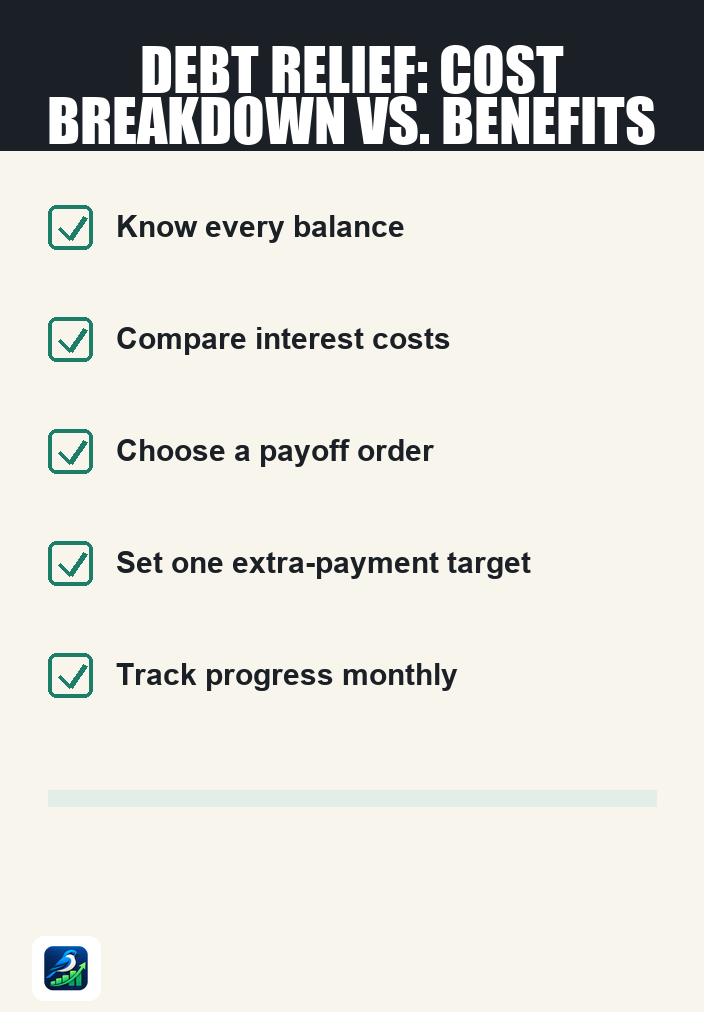
Preparing for Your Debt Relief Consultation: Understanding the Cost Breakdown
When you’re feeling overwhelmed by debt, seeking help can be a crucial step toward regaining financial stability. Debt relief consultations are designed to help you explore your options and create a plan tailored to your situation. However, understanding the costs associated with these services is essential for making informed decisions. In this article, we’ll break down the potential costs you might encounter during your debt relief consultation, helping you prepare effectively for your meeting.
What to Expect During a Debt Relief Consultation
Before diving into costs, it’s important to know what a typical debt relief consultation entails. During this meeting, a financial expert will assess your current financial situation, including your income, expenses, and outstanding debts. They will discuss various options available to you, such as:
- Debt consolidation
- Debt management plans
- Debt settlement
- Bankruptcy
Each option comes with its unique implications, costs, and potential benefits, which will be discussed to help you choose the best path forward.
Understanding Cost Structures in Debt Relief Services
The costs associated with debt relief services can vary significantly based on the type of service you choose. Here’s a breakdown of the potential costs involved:
1. Debt Consolidation
Debt consolidation typically involves taking out a new loan to pay off multiple existing debts. The costs can include:
- Loan Interest Rates: While consolidating may simplify payments, the interest rates on the new loan can affect your overall cost.
- Fees: Some lenders charge origination fees or closing costs that can add to your debt.
2. Debt Management Plans (DMP)
A DMP is a structured repayment plan facilitated by a credit counseling agency. Costs may include:
- Setup Fees: Many agencies charge an initial setup fee to start your DMP.
- Monthly Fees: Ongoing fees are common and typically range from $25 to $50.
Keep in mind that some nonprofit agencies may offer free services, but always verify their credentials and reputation.
3. Debt Settlement
Debt settlement involves negotiating with creditors to pay a lump sum that is less than the total owed. Costs can include:
- Negotiation Fees: These are often charged as a percentage of the amount saved through negotiation. Ensure you understand when these fees are charged.
- Impact on Credit Score: While not a direct financial cost, settling debts can negatively affect your credit score, which may lead to higher borrowing costs in the future.
4. Bankruptcy
Bankruptcy is often considered a last resort due to its long-term consequences. Costs associated with bankruptcy include:
- Filing Fees: These can vary by state but are typically several hundred dollars.
- Attorney Fees: Hiring a bankruptcy attorney can also add to your costs, with fees ranging widely based on location and complexity of your case.
Comparing Costs and Benefits
Before committing to any debt relief option, it’s crucial to compare the costs and potential benefits. Here are some factors to consider:
- Long-term Financial Impact: Consider how each option affects your financial future, not just the immediate costs. For example, while bankruptcy may alleviate debts, it can hinder your ability to secure credit in the future.
- Time Commitment: Some options may require longer-term commitments, which could impact your financial freedom.
- Risk of Additional Debt: Weigh the risks of incurring more debt due to fees or high-interest rates in consolidation loans.
Preparing for Your Consultation
Now that you understand the potential costs, here are some practical steps to prepare for your debt relief consultation:
- Gather Financial Documents: Collect your income statements, bills, and any other relevant financial documents. This will give the consultant a clear picture of your situation.
- List Your Questions: Prepare a list of questions you have about the process, costs, and potential outcomes. This will help you get the most out of your consultation.
- Understand Your Goals: Be clear about what you hope to achieve through debt relief. Whether it’s reducing monthly payments or completely eliminating debt, knowing your goals will help guide the discussion.
Final Thoughts
Understanding the cost breakdown of different debt relief options is essential for making informed decisions. Each path has its own set of financial implications, and being well-prepared can empower you during your consultation. Remember, it’s crucial to evaluate all your options carefully and consider seeking professional advice tailored to your unique situation.
Next Steps
After your consultation, take the time to reflect on the information provided. If you decide to move forward with any debt relief option, ensure you have a solid plan in place. Regularly review your financial situation and stay informed about your rights and responsibilities as a consumer.



















