
Understanding the Balance Between Debt Payments and Grocery Spending
Managing debt while trying to maintain a healthy diet can feel like a juggling act. With limited income, you may find it challenging to balance your monthly debt obligations with essential grocery spending. This article will help you navigate this balance, offering insights into how to effectively manage both areas without sacrificing your financial well-being or nutritional needs.
Assessing Your Current Financial Situation
Before you can make informed decisions about balancing debt payments with grocery spending, it’s vital to assess your current financial situation. Take a moment to outline your income, expenses, and debt obligations. Here’s how to get started:
- Calculate Your Monthly Income: Include all sources of income such as salary, side jobs, and benefits.
- List Your Monthly Expenses: Document fixed expenses like rent, utilities, and minimum debt payments, as well as variable costs such as groceries, transportation, and entertainment.
- Identify Your Debt Obligations: Break down your total debt into categories—credit cards, personal loans, medical bills, etc.—and note the minimum monthly payments for each.
Once you have a clear picture of your finances, you can make better decisions about how to allocate your funds between debt payments and grocery spending.
Creating a Balanced Budget
With your financial situation assessed, the next step is to create a balanced budget that accommodates both debt payments and grocery shopping. Here’s how to approach this:
1. Determine a Budgeting Method
Choose a budgeting method that works best for you. Some popular methods include:
- Zero-Based Budgeting: Allocate every dollar of your income to expenses, savings, and debt repayment, ensuring that your income minus your expenses equals zero.
- 50/30/20 Rule: Allocate 50% of your income to needs (including groceries), 30% to wants, and 20% to savings and debt repayment.
2. Set Grocery and Debt Payment Limits
Based on your chosen budgeting method, set clear limits for both grocery spending and debt payments. For example, if your monthly income is $3,000 and you’re following the 50/30/20 rule, you would allocate:
- $1,500 for needs (including groceries)
- $900 for wants
- $600 for savings and debt repayment
Adjust these amounts as necessary based on your specific obligations and priorities.
Strategies for Reducing Grocery Costs
Finding ways to cut grocery costs can free up more money for debt payments without sacrificing nutrition. Here are some practical strategies:
1. Plan Your Meals
Creating a weekly meal plan can help you avoid impulse purchases and ensure you buy only what you need. Consider these steps:
- Choose recipes that use similar ingredients to minimize waste.
- Make a grocery list based on your meal plan to keep your shopping focused.
2. Use Coupons and Discounts
Take advantage of coupons, store sales, and loyalty programs. You can save significantly with just a little effort. Browse local ads or use coupon apps to find deals that fit your shopping list.
3. Buy in Bulk
Purchasing non-perishable items in bulk can save you money over time. Focus on staple items like rice, pasta, canned goods, and frozen vegetables. However, ensure that you have the cash flow to make these bulk purchases without impacting your debt payments.
Strategies for Managing Debt Payments
While balancing grocery spending, it’s equally important to manage your debt effectively. Here are some approaches to consider:
1. Prioritize Debt Payments
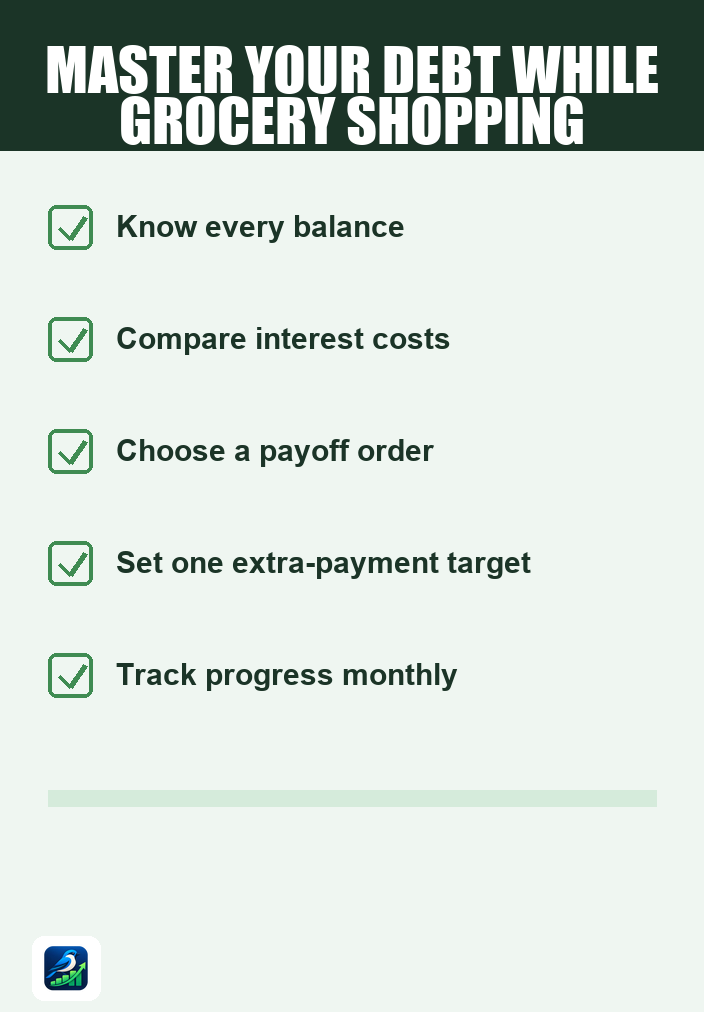
Focus on paying off high-interest debts first, as they can cost you more over time. Use the avalanche method (paying off the highest interest debts first) or the snowball method (paying off the smallest debts first) to create a strategy that works for you.
2. Explore Debt Consolidation Options
If you have multiple debts, you might consider debt consolidation. This involves combining several debts into a single loan with a potentially lower interest rate. However, weigh the pros and cons, as consolidation may extend the repayment period or incur additional fees.
3. Communicate with Creditors
If you’re struggling to make payments, reach out to your creditors. Some may offer hardship programs or flexible payment options. Being proactive can help you avoid late fees and protect your credit score.
Evaluating Trade-offs
Balancing debt payments with grocery spending often involves trade-offs. You might have to make tough decisions about what to prioritize. Here are some considerations:
- Eating Out vs. Grocery Shopping: While dining out may be convenient, it’s generally more expensive than cooking at home. Consider limiting restaurant visits to save money for groceries.
- Buying Organic vs. Conventional: Organic products can be pricier, so if you need to cut costs, consider buying conventional produce and focusing on washing and peeling to reduce pesticide exposure.
- Brand Name vs. Generic: Generic brands often provide the same quality at a lower cost. Compare prices and consider making the switch where possible.
Practical Next Steps
Balancing debt payments and grocery spending is a process that requires continuous evaluation and adjustment. Here are some practical next steps to consider:
- Review your budget monthly and adjust as necessary.
- Track your grocery spending to identify areas for improvement.
- Stay informed about your debt obligations and look for ways to optimize payments.
- Seek professional guidance if you feel overwhelmed by debt management or need help creating a sustainable budget.
By taking these steps, you can work towards a balanced financial life that allows for both responsible debt management and healthy grocery spending.



















