
Understanding Debt Relief Scams
Debt relief scams can be a significant concern for anyone struggling with consumer debt. As you seek assistance to manage, reduce, or consolidate your debts, it’s crucial to recognize the warning signs of potentially fraudulent services. Understanding these red flags can save you time, money, and additional stress.
Key Warning Signs of Debt Relief Scams
Here are some of the most common warning signs to watch for when considering debt relief options:
1. Upfront Fees
One of the clearest indicators of a debt relief scam is the demand for upfront fees. Legitimate debt relief organizations typically do not charge fees before they provide services. Be cautious if a company asks for payment before they’ve helped you with your debt.
2. Promises of Quick Fixes
If a company promises to eliminate your debt quickly or guarantees specific results, it’s likely too good to be true. Debt relief is often a lengthy process, and no one can guarantee a set outcome, such as a certain percentage of debt reduction or a specific timeframe for settling debts.
3. Pressure Tactics
Scammers may use high-pressure sales tactics to push you into making hasty decisions. If you feel rushed or pressured to sign a contract or make a payment, take a step back. A reputable service will allow you to take your time to understand your options.
4. Lack of Transparency
Be wary of organizations that are vague about their services or do not provide clear information regarding their fees and processes. Legitimate companies will offer detailed explanations of their fees, how their services work, and what you can expect throughout the process.
5. Unlicensed or Unregistered Services
Check if the debt relief company is licensed to operate in your state. Many states require debt relief services to register or obtain licenses. If a company cannot provide this information, it may be a sign that they are not legitimate.
6. No Written Contract
Always ask for a written contract that outlines the services provided, fees, and the timeline for those services. A reputable company will provide you with clear documentation. If they refuse or are reluctant to do so, it’s a major red flag.
Understanding Debt Relief Options
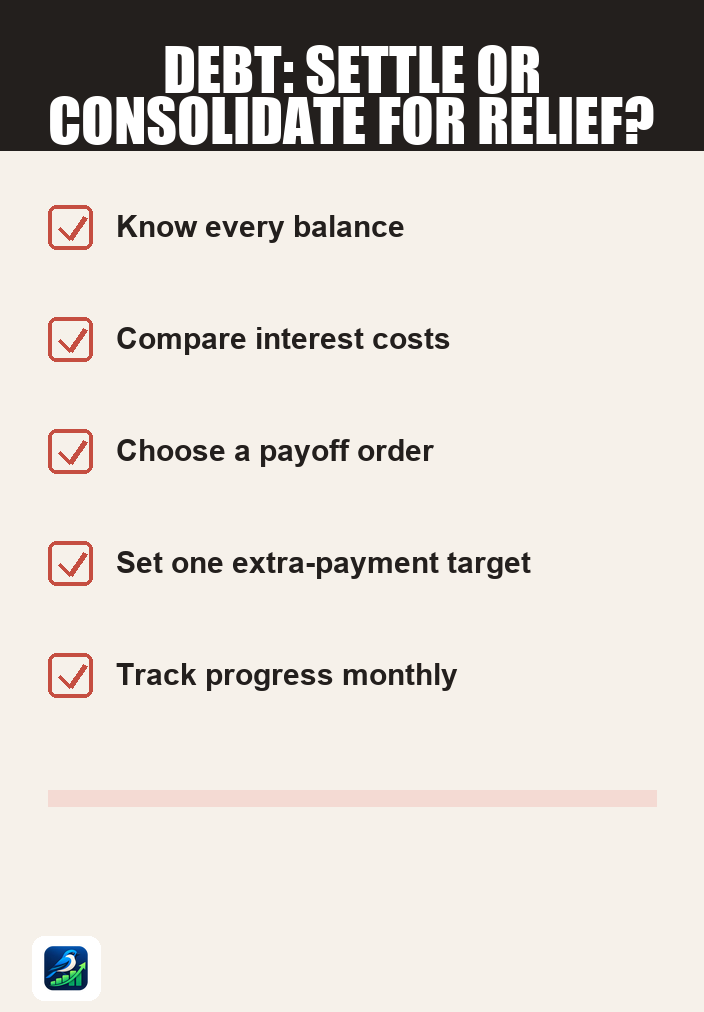
To make informed decisions, it’s essential to understand the different types of debt relief options available. Each has its own benefits and drawbacks:
Debt Consolidation
This involves combining multiple debts into a single loan, often with a lower interest rate. While this can simplify payments, it may extend your repayment timeline and may not address underlying financial issues.
Debt Management
In a debt management plan, you work with a credit counseling agency to create a budget and a repayment plan. They may negotiate lower interest rates with creditors, but this requires commitment and discipline on your part.
Debt Settlement
Debt settlement involves negotiating with creditors to pay less than the total owed. While this can provide relief, it can also have a negative impact on your credit score and may not be suitable for everyone.
Bankruptcy
Filing for bankruptcy can provide a fresh start, but it comes with long-term consequences for your credit and financial future. It’s essential to consult with a legal professional to understand the implications fully.
Practical Steps to Protect Yourself
To safeguard yourself against scams, consider the following practical steps:
- Research Thoroughly: Investigate any debt relief company you are considering. Look for reviews and complaints from previous clients.
- Seek Nonprofit Credit Counseling: Consider reaching out to nonprofit credit counseling services, which can help you explore your options without the risk of scams.
- Ask Questions: Don’t hesitate to ask detailed questions about the company’s services, fees, and track record. A reputable company will be happy to provide answers.
- Consult Professionals: If you are unsure about your options, consider seeking advice from a financial advisor or a legal professional. They can help you navigate your choices without the risk of scams.
Next Steps
Staying informed is your best defense against debt relief scams. By recognizing warning signs and understanding your options, you can make well-informed decisions about your financial future. If you suspect you’ve encountered a fraudulent service, report it to the appropriate authorities to help protect others from falling victim.