
Understanding Recurring Expenses
When you’re managing a budget, it’s essential to identify and evaluate your recurring expenses. These are regular payments you make, such as subscriptions, utilities, and loan payments, that can significantly impact your financial health. By cutting unnecessary recurring expenses, you can free up funds to pay down debt or save for future goals.
Creating Your Expense Inventory
The first step in evaluating your budget is to create a comprehensive inventory of all your recurring expenses. Here’s how to do it:
- Collect Bank Statements: Review your bank and credit card statements for the past three months. Highlight all recurring charges.
- List Subscriptions: Include any streaming services, gym memberships, magazine subscriptions, or other monthly services.
- Utilities and Bills: Document your monthly expenses such as electricity, gas, internet, and water bills.
- Loans and Credit Payments: Include any student loans, car payments, or credit card minimum payments.
Once you have this complete list, categorize your expenses into fixed and variable categories. Fixed expenses remain the same each month, while variable costs can fluctuate. This differentiation can help you identify areas where you may have more control over cutting costs.
Evaluating Necessity vs. Luxury
After you’ve compiled your expenses, the next step is to evaluate which ones are necessary and which are luxuries. This is crucial for understanding where you can make cuts. Here’s a practical approach:
- Assess Each Expense: For each item on your list, ask yourself if it is essential for your daily life or if it can be considered a luxury. For example, basic utilities like electricity are essential, whereas a premium cable package may not be.
- Utilize the 30-Day Rule: For discretionary subscriptions, consider canceling them for 30 days. If you don’t miss them, it’s a good indication they might not be necessary.
- Look for Duplicates: Sometimes, we pay for overlapping services. For instance, having multiple streaming platforms that offer similar content can be redundant.
Strategies for Cutting Recurring Expenses
Once you’ve identified non-essential expenses, it’s time to implement strategies for cutting them. Here are some practical options:
1. Cancel Unused Subscriptions
Evaluate all subscription services you’re currently paying for. If you find that you’re not using certain services, cancel them. This could include anything from gym memberships to streaming services. Remember, even a small monthly fee can add up over time.
2. Negotiate Bills
Don’t hesitate to try negotiating your bills. Call your service providers and ask for better rates or inquire about loyalty discounts. Many companies are willing to lower your rates to retain you as a customer.
3. Downgrade Service Plans
Consider downgrading your service plans. For example, if you have a high-speed internet plan, evaluate if you can switch to a lower tier that still meets your needs. This change can lead to significant savings without sacrificing too much quality.
4. Automate Savings
While this might seem counterintuitive, automating savings can help you prioritize saving over spending. Set up an automatic transfer to your savings account right after your paycheck is deposited. This way, you’re less likely to spend that money on unnecessary expenses.
5. Use Free Alternatives
For services that require a subscription, consider free alternatives. For instance, there are free online workout videos instead of a gym membership, or you might find free streaming options instead of paying for multiple services.
Understanding the Trade-offs
While cutting expenses can help improve your financial situation, it’s essential to understand that some trade-offs may exist. For instance:
- Quality vs. Cost: Reducing expenses may mean sacrificing quality or convenience. Consider whether the trade-off is worth it.
- Potential Fees: Some service cancellations may incur fees. Always check the terms and conditions before proceeding with cancellations.
- Impact on Lifestyle: Cutting certain expenses may affect your lifestyle. Make sure you’re comfortable with the changes you’re making.
Long-Term Strategies for Expense Management
Beyond immediate cuts, consider long-term strategies to manage expenses effectively:
- Regularly Review Your Budget: Set a reminder to review your budget every few months. This will help you stay on top of your expenses and make adjustments as needed.
- Track Spending: Use budgeting apps or spreadsheets to track your spending. This will provide insight into where your money is going and help you identify areas for improvement.
- Build an Emergency Fund: Having a financial cushion can reduce the need to rely on credit in emergencies, which can help you maintain a healthier budget.
Next Steps for Budgeting Success
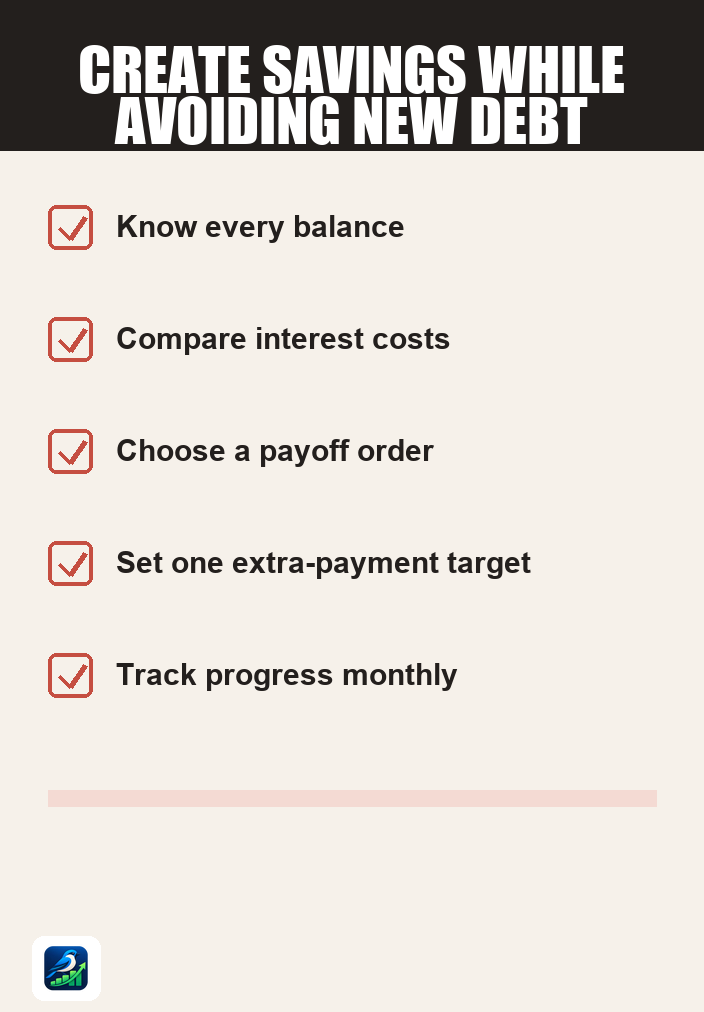
Taking control of your budget and cutting recurring expenses can be a significant step toward financial stability. Start by gathering your financial information and creating an expense inventory. Evaluate each expense carefully, and don’t hesitate to make cuts where necessary. Remember, managing your budget is an ongoing process, and regularly reviewing your expenses will help you stay on track.
As you make these adjustments, be mindful of the trade-offs and ensure that any cuts align with your overall financial goals. With careful planning and regular evaluations, you can create a budget that works for you and supports your journey toward financial freedom.