
Understanding Consolidation Loan Costs: Comparing Personal Loans and Home Equity Loans
When you’re facing the challenge of managing multiple debts, consolidation loans can seem like a lifeline. They can simplify your financial situation by combining various debts into a single payment. However, not all consolidation loans are created equal. Two popular options are personal loans and home equity loans. Understanding the costs, benefits, and drawbacks of each can help you make an informed decision tailored to your financial situation.
What Are Personal Loans and Home Equity Loans?
Before diving into the costs, let’s clarify what each type of loan entails.
Personal Loans
A personal loan is an unsecured loan that you can use for various purposes, including debt consolidation. Because personal loans are unsecured, they typically come with higher interest rates than secured loans. Your credit score, income, and debt-to-income ratio largely influence your eligibility and the rates you may receive.
Home Equity Loans
A home equity loan, often referred to as a second mortgage, allows you to borrow against the equity you’ve built in your home. Since this loan is secured by your property, it often comes with lower interest rates compared to personal loans. However, if you fail to make payments, you risk losing your home.
Cost Comparison: Personal Loans vs. Home Equity Loans
When considering a debt consolidation option, it’s essential to look at the overall costs associated with each loan type. This includes interest rates, fees, and the potential for additional costs.
Interest Rates
Interest rates will vary based on your creditworthiness and market conditions. Generally, personal loans may have higher interest rates due to their unsecured nature. In contrast, home equity loans often have lower rates because they are secured by your home, making them less risky for lenders.
Fees
Both personal loans and home equity loans can come with fees, which may include:
- Origination Fees: A one-time fee charged by lenders for processing the loan.
- Closing Costs: Applicable mainly to home equity loans and can include appraisal fees, attorney fees, and title search fees.
- Prepayment Penalties: Some loans may charge fees if you pay them off early.
Always read the fine print to understand what fees you may incur, as these can significantly affect the overall cost of the loan.
Loan Terms
Loan terms can also differ between personal loans and home equity loans. Personal loans typically have shorter repayment periods, often ranging from 2 to 7 years. Home equity loans can have longer terms, sometimes extending up to 30 years. While longer terms may lower monthly payments, they can also lead to paying more interest over time.
Pros and Cons of Personal Loans
Before choosing a personal loan for debt consolidation, consider the following advantages and disadvantages.
Advantages
- No Collateral Required: Since personal loans are unsecured, you don’t have to risk your assets.
- Quick Access to Funds: The application process is often faster, and funds can be disbursed quickly.
- Predictable Payments: Fixed interest rates mean you’ll know exactly what to expect each month.
Disadvantages
- Higher Interest Rates: Unsecured loans often carry higher rates.
- Credit Score Dependence: Your credit score significantly influences your loan options and rates.
- Limited Loan Amounts: You may not be able to borrow enough to cover all your debts.
Pros and Cons of Home Equity Loans
Similarly, home equity loans come with their own set of benefits and drawbacks.
Advantages
- Lower Interest Rates: Secured by your home, these loans generally have lower rates than personal loans.
- Higher Borrowing Limits: You can often borrow a larger amount, depending on your home equity.
- Tax Deductions: In some cases, interest paid on home equity loans may be tax-deductible (consult a tax professional).
Disadvantages
- Risk of Foreclosure: Since the loan is secured by your home, failing to repay can lead to losing your property.
- Longer Approval Process: The application and approval process can take longer compared to personal loans.
- Potential for Additional Costs: Closing costs and fees can add to your overall expenses.
Making the Right Choice for Debt Consolidation
When deciding between a personal loan and a home equity loan for debt consolidation, consider the following factors:
- Your Creditworthiness: If your credit score is strong, you may secure a favorable rate on either type of loan.
- Debt Amount: If you need to consolidate a significant amount, a home equity loan might be more suitable.
- Risk Tolerance: Consider whether you’re comfortable risking your home for a loan.
- Time to Repay: Think about how quickly you want to pay off the debt and how that aligns with loan terms.
Next Steps
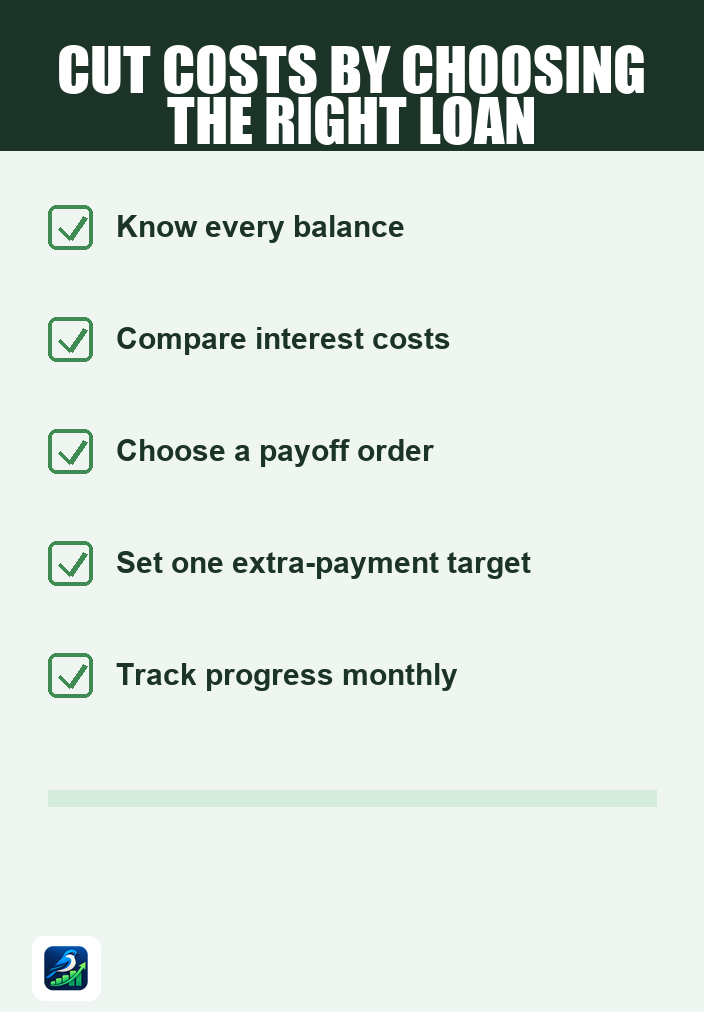
Now that you have a clearer understanding of the costs and features of personal loans and home equity loans, take the following steps:
- Assess Your Financial Situation: List out your debts, income, and expenses to understand how much you need.
- Check Your Credit Score: Knowing your credit score will help you figure out what options are available to you.
- Shop Around: Compare offers from multiple lenders to find the best rates and terms.
- Consult a Financial Advisor: If unsure, seek professional guidance to navigate your options.
Debt consolidation can be a useful strategy, but it’s crucial to weigh the pros and cons of each option carefully. By doing your research and considering your unique situation, you can make an informed choice that sets you on the path to financial stability.



















