Understanding Your Grocery Budget While Managing Debt
Managing grocery expenses effectively is essential for anyone, particularly for those working to pay off debt. Food costs can quickly become a significant part of your monthly budget, so understanding how to manage them while staying on track with your financial goals is crucial. In this article, we’ll explore practical strategies to help you balance your grocery spending with your debt repayment efforts.
Set a Realistic Grocery Budget
The first step in managing your grocery expenses is to establish a budget that aligns with your overall financial plan. Here’s how to set a realistic grocery budget:
- Evaluate Your Income: Start by examining your monthly income after taxes. This will give you a clearer picture of what you can allocate to groceries.
- Identify Essential Expenses: List all your fixed expenses, such as rent, utilities, and debt payments. This will help you see how much you have left over for groceries.
- Determine a Grocery Percentage: It’s generally recommended to allocate about 10-15% of your income for food. Adjust this percentage based on your unique situation, especially if you have dietary restrictions or other needs.
Track Your Grocery Spending
Once you have a budget, monitoring your grocery spending is essential to ensure you stay within your limits. Here are some practical steps to track your expenses:
- Keep Receipts: Save all your grocery receipts for a month. This will help you understand where your money is going.
- Use an App or Spreadsheet: Consider using budgeting apps or a simple spreadsheet to log your grocery expenses. This will make it easier to see trends and adjust your spending.
- Review Regularly: At the end of each month, review your spending. Are you over or under budget? Adjust your future grocery budget accordingly.
Plan Meals and Create a Shopping List
Meal planning can be a game-changer for reducing grocery expenses. By planning meals in advance, you can avoid impulse purchases and make the most of your budget:
- Plan Weekly Meals: Dedicate some time each week to plan your meals. Choose recipes that use similar ingredients to minimize waste.
- Create a Shopping List: Based on your meal plan, create a detailed grocery list. Stick to this list to avoid unnecessary purchases.
- Shop with Purpose: When you go shopping, focus on your list and avoid browsing the aisles, which can lead to impulse buys.
Utilize Coupons and Discounts
Taking advantage of coupons and discounts can help stretch your grocery budget even further. Here’s how to effectively use these savings tools:
- Search for Coupons: Look for coupons in newspapers, online, or through store apps. Many grocery stores offer digital coupons that can be loaded onto your loyalty card.
- Join Loyalty Programs: Sign up for grocery store loyalty programs to receive exclusive discounts and promotions.
- Buy in Bulk: For non-perishable items, consider buying in bulk to save money in the long run. Just make sure you have the budget for the upfront cost.
Choose Cost-Effective Alternatives
When managing your grocery expenses, consider opting for cost-effective alternatives without sacrificing nutrition:
- Switch to Generic Brands: Generic or store brands often offer the same quality as name brands at a lower price.
- Prioritize Seasonal Produce: Fruits and vegetables that are in season are usually cheaper and fresher. Plan your meals around these items.
- Limit Processed Foods: Processed and convenience foods tend to be more expensive. Focus on whole foods, which are not only healthier but also more budget-friendly.
Consider Batch Cooking and Freezing
Batch cooking can save both time and money. Here’s how to make it work for you:
- Cook in Bulk: Prepare large portions of meals that can be easily reheated throughout the week. This reduces the need for takeout or last-minute grocery runs.
- Freeze Leftovers: Store extra portions in the freezer for future meals. This helps prevent food waste and gives you quick meal options when you’re busy.
- Label and Date: When freezing meals, be sure to label them with the name and date to keep track of what you have on hand.
Evaluate Your Debt Repayment Strategy
As you work to manage grocery expenses, it’s important to ensure your debt repayment strategy is effective. Consider the following:
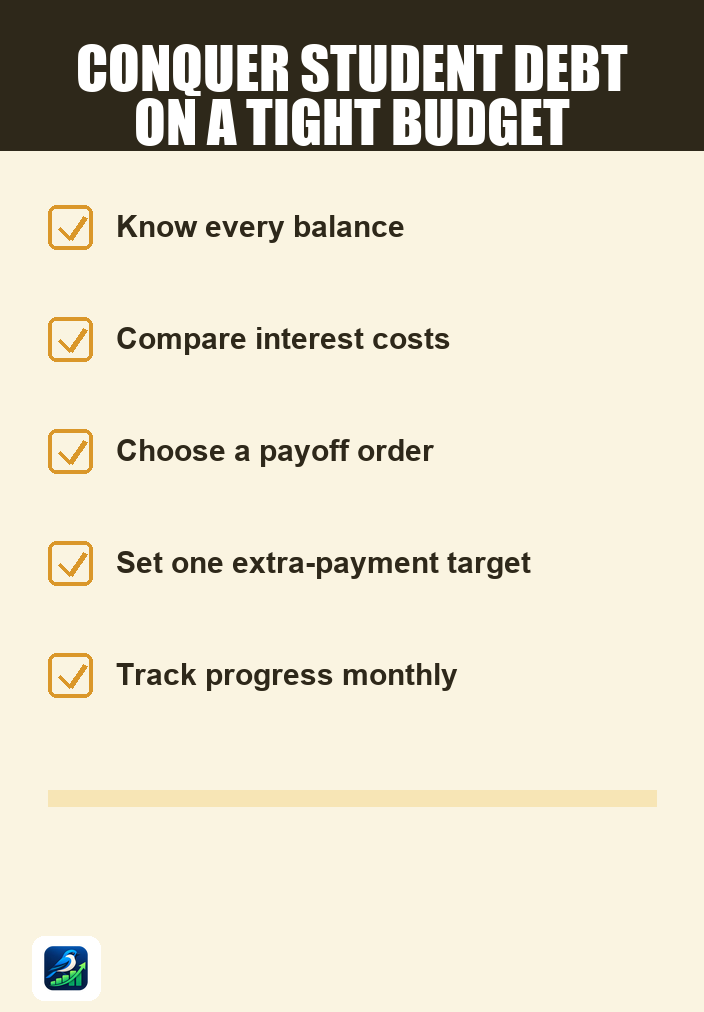
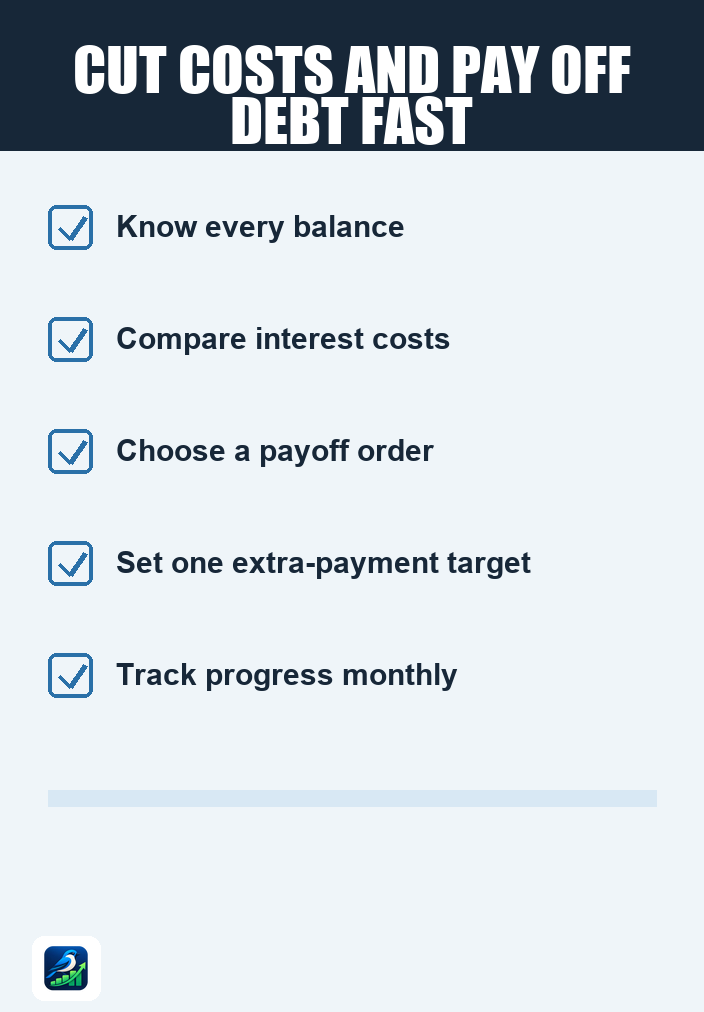
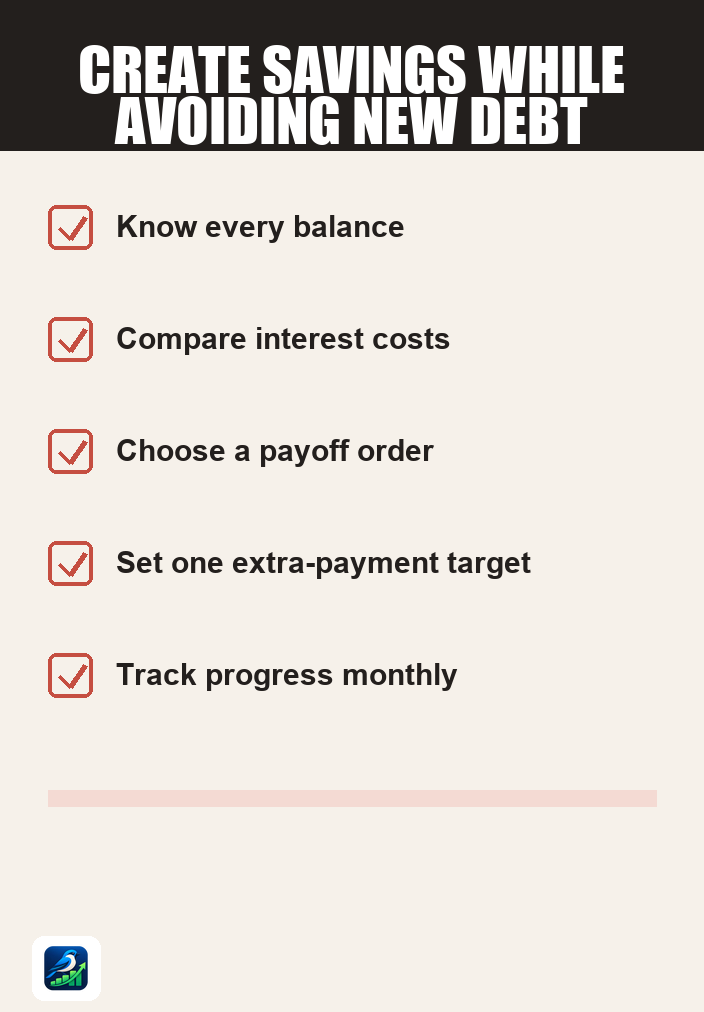
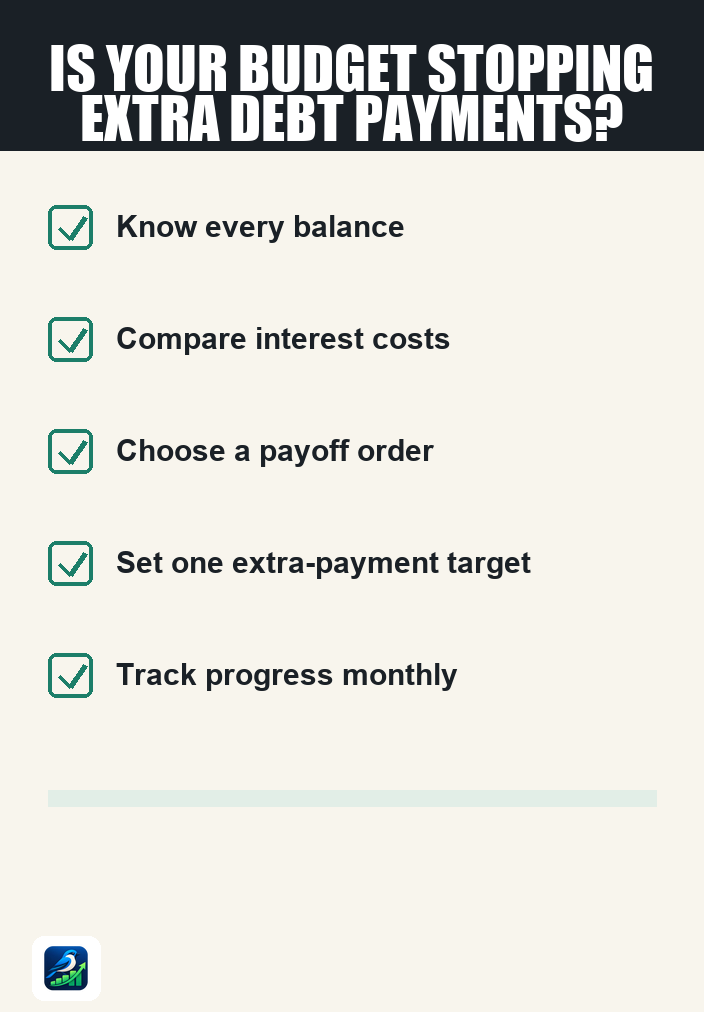
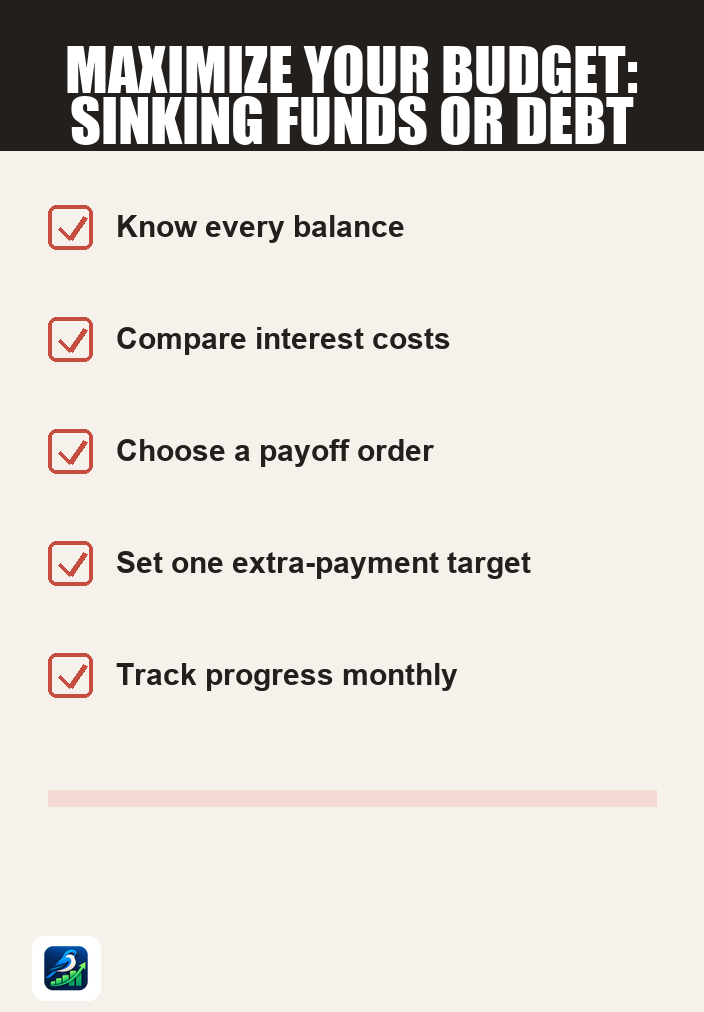
- Identify Your Debts: List all your debts, including amounts owed, interest rates, and minimum payments.
- Choose a Repayment Method: Decide whether to use the avalanche method (paying off debts with the highest interest rates first) or the snowball method (paying off the smallest debts first).
- Allocate Extra Funds Wisely: If you find ways to save on groceries, consider allocating those extra funds towards your debt payments to accelerate your progress.
Seek Professional Guidance if Needed
If you find it challenging to manage both your grocery expenses and debt, consider seeking professional guidance. Financial advisors or credit counselors can provide tailored advice based on your specific situation. They can help you explore options like debt consolidation or debt management plans, keeping in mind that these strategies may not be appropriate for everyone and can come with their own set of drawbacks.
Next Steps for Effective Grocery Management
Managing grocery expenses while paying off debt requires commitment and planning. Here are some concrete next steps to consider:
- Start by creating a detailed budget that includes your grocery expenses.
- Track your spending for at least a month to identify areas for improvement.
- Implement meal planning and bulk cooking into your routine.
- Explore coupons and discounts to maximize your grocery savings.
- Regularly review your budget and adjust as needed to stay on track with both your grocery and debt management goals.
By making conscious choices about your grocery spending, you can effectively manage your expenses while working toward becoming debt-free.