Understanding the Credit Card Payoff Calculator
If you’re juggling multiple credit card debts, a credit card payoff calculator can be a powerful tool to help you strategize your way to financial freedom. These calculators allow you to input your current debt amounts, interest rates, and monthly payments to see how various payment strategies affect your timeline for becoming debt-free. This article will guide you through how to effectively use a credit card payoff calculator to organize your debt strategy.
How a Credit Card Payoff Calculator Works
At its core, a credit card payoff calculator helps you visualize the impact of different payment strategies. You can enter your total debt, the interest rates of your cards, and how much you plan to pay each month. The calculator will then provide you with estimates on how long it will take to pay off your debt and how much interest you will pay over time.
Key Inputs for the Calculator
To use a credit card payoff calculator effectively, you’ll need the following information:
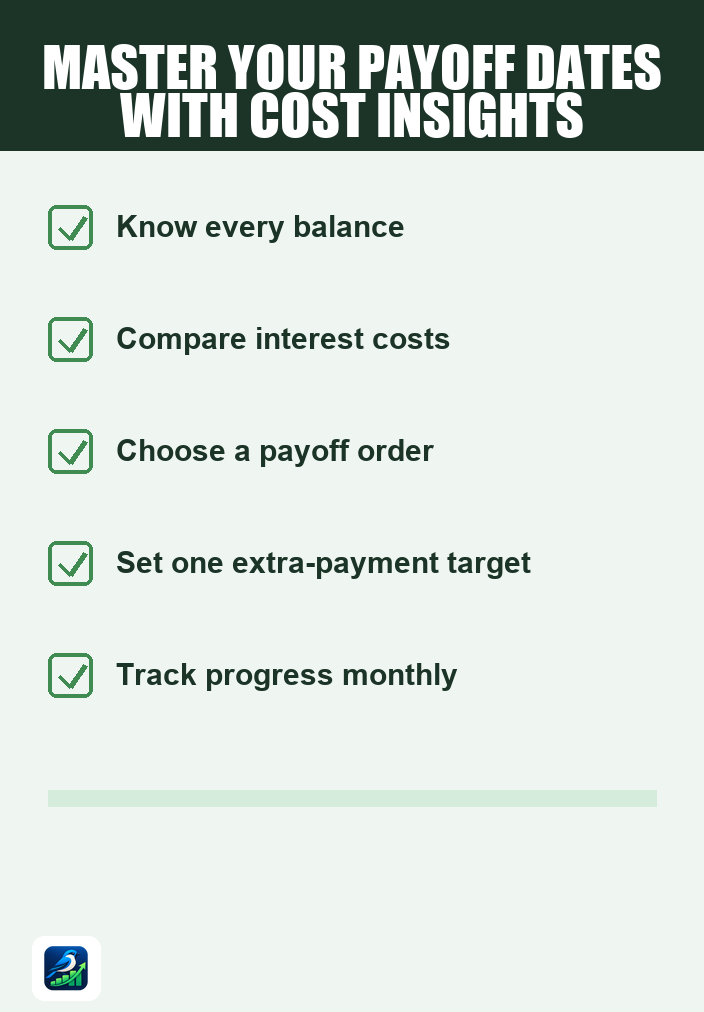
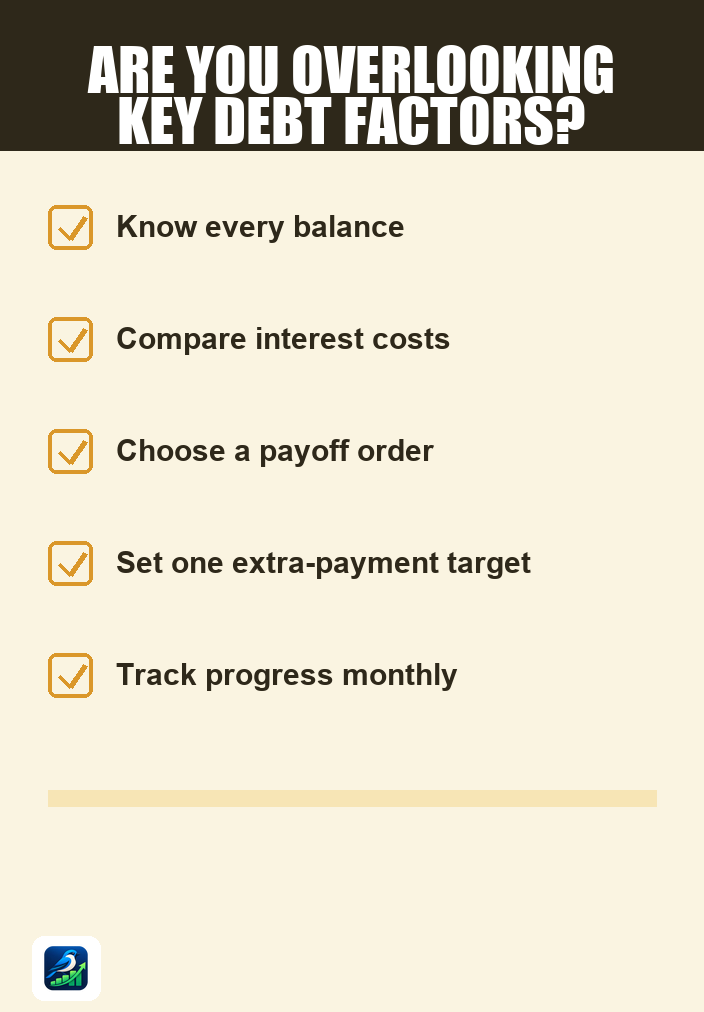
- Total Balance: The current amount you owe on each credit card.
- Interest Rate: The annual percentage rate (APR) for each card.
- Monthly Payment: The amount you plan to pay each month on each card.
- Additional Payments: Any extra payments you plan to make beyond your minimum monthly payments.
Setting Up Your Debt Strategy
Once you have your information ready, you can begin setting up a strategy for paying off your debts. Here’s how to make the most of the calculator:
Choose a Payment Method
There are several methods for tackling credit card debt, and the calculator can help you visualize the effects of each approach:
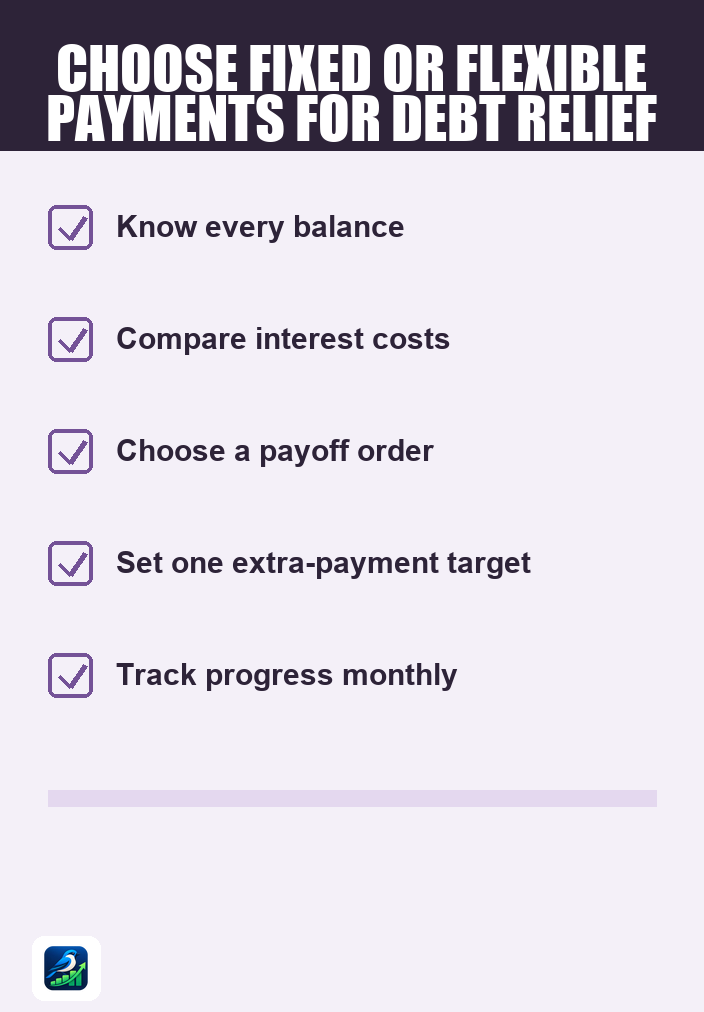
- Debt Snowball Method: Focus on paying off the smallest debt first while making minimum payments on larger debts. Once the smallest is paid off, apply that payment to the next smallest debt.
- Debt Avalanche Method: Prioritize paying off the debt with the highest interest rate first, reducing the total interest paid over time.
- Equal Payments: Pay the same amount towards each card, which can simplify budgeting but may not minimize interest payments as effectively.
By entering different payment amounts and methods into the calculator, you can see how long it will take to pay off your debts and how much interest you’ll save.
Visualizing Your Progress
Many calculators provide visual aids that show your progress over time. This feature can be motivating, as it allows you to see how your payments chip away at your total debt. Look for graphs or charts that illustrate:
- Your total debt reduction over time.
- The proportion of your payments going towards principal versus interest.
- Projected payoff date based on your current strategy.
Making Calculated Adjustments
As you input data into the calculator, you might find that your initial plan needs adjustments. Here are some factors to consider:
Adjusting Payments
If you receive extra income, like a bonus or tax refund, consider entering these additional payments into the calculator. This can show you how these one-time payments can accelerate your payoff timeline.
Reassessing Interest Rates
If you notice that the interest rates on your cards are significantly affecting your payoff timeline, it may be worth exploring options to consolidate your debts. This can involve transferring balances to a card with a lower interest rate or obtaining a personal loan. Use the calculator to see how these changes could affect your payments and total interest over time.
Understanding the Trade-offs
While credit card payoff calculators are helpful, it’s crucial to understand the trade-offs involved in different debt repayment strategies:
Debt Consolidation
Debt consolidation involves combining multiple debts into a single loan, often with a lower interest rate. While it can simplify payments and reduce interest, it may also extend your repayment period, leading to paying more interest overall.
Debt Management Plans
These plans involve working with a credit counseling service to create a structured repayment plan. While they can help negotiate lower interest rates, they may also require you to close existing credit accounts, impacting your credit score.
Debt Settlement
This involves negotiating with creditors to pay less than what you owe. While it can reduce your total debt, it often has significant drawbacks, including potential damage to your credit score and tax implications.
Bankruptcy
As a last resort, bankruptcy can discharge certain debts, giving you a fresh start. However, it has long-lasting effects on your credit and may not be suitable for everyone.
Next Steps to Take Control of Your Debt
Using a credit card payoff calculator is just the first step in your journey to becoming debt-free. Here are practical next steps to further your plan:
- Gather Information: Collect all relevant information regarding your debts, including balances, interest rates, and monthly payments.
- Create a Budget: Develop a budget that allows you to allocate extra funds towards your debts regularly.
- Monitor Your Progress: Regularly revisit the calculator to update your information and track your progress towards your goals.
- Consider Professional Help: If your situation feels overwhelming, consider consulting a financial advisor or credit counselor for personalized guidance.
By employing a strategic approach with the help of a credit card payoff calculator, you can take significant steps toward managing and reducing your debt effectively. Remember, every small payment counts on the road to financial freedom.