Understanding Essential Debt Payoff Milestones
When it comes to tackling debt, knowledge is power. Knowing specific milestones along your debt payoff journey can guide your efforts and help you stay motivated. This article outlines essential debt payoff milestones that every beginner should compare, ensuring you have a structured plan in place for managing your consumer debt.
1. Establishing Your Current Debt Status
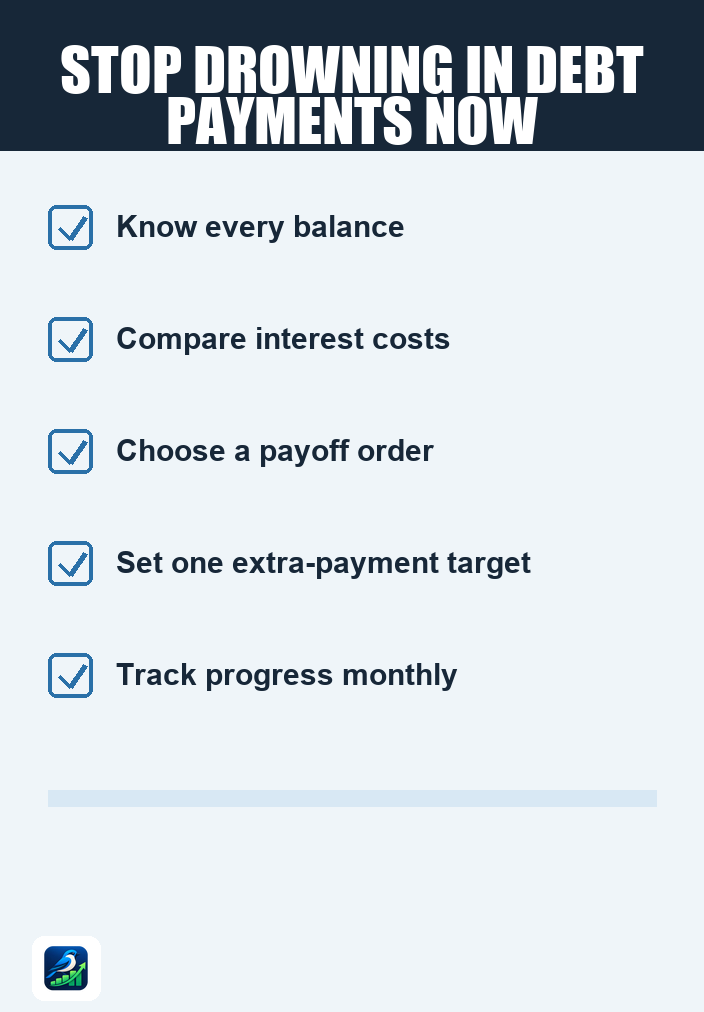
The first milestone in your debt payoff journey is understanding where you stand financially. You need to take stock of all your debts, which includes credit cards, loans, medical bills, and any other outstanding balances. To do this effectively, create a detailed list that includes:
- The name of each creditor
- Total amount owed
- Interest rates
- Monthly minimum payments
- Due dates
By having a clear picture of your current debt situation, you can better strategize your payoff plan. This initial step is crucial and should not be overlooked.
2. Setting a Realistic Payoff Timeline
Once you have a comprehensive overview of your debts, the next milestone is to set a realistic timeline for paying them off. This involves determining how quickly you want to eliminate your debt based on your financial situation and goals. Here are a few methods you can use to estimate your timeline:
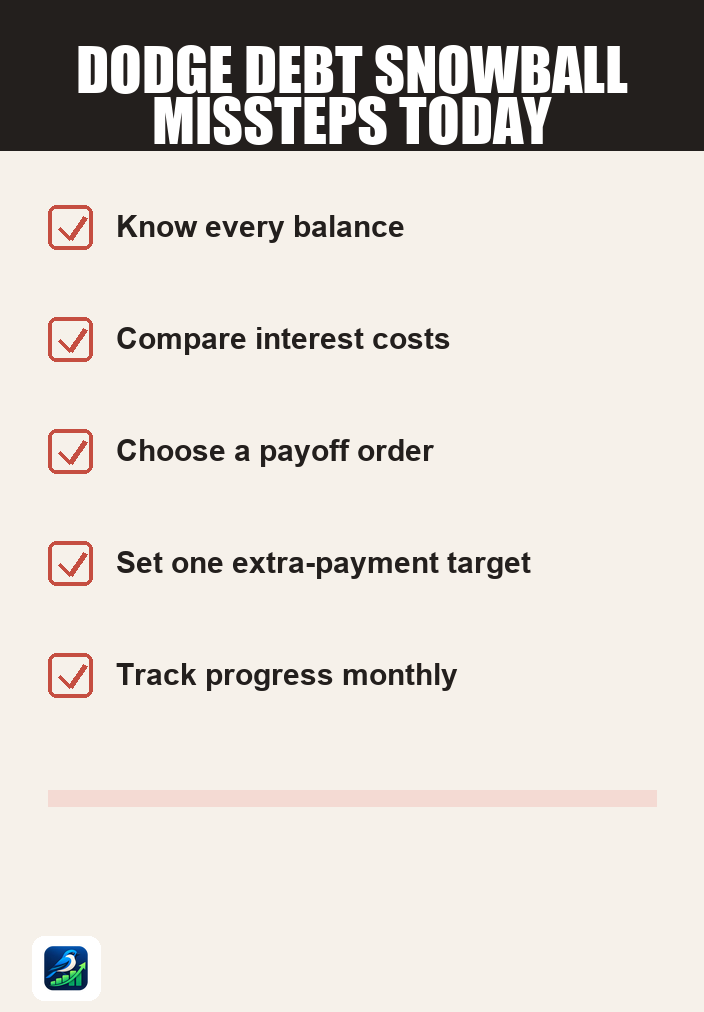
- Snowball Method: Focus on paying off the smallest debts first while making minimum payments on larger debts. This approach helps you gain momentum as you pay off each balance.
- Avalanche Method: Prioritize debts with the highest interest rates first. This strategy can save you money on interest over time.
To create your timeline, calculate how much extra money you can allocate toward debt each month. From there, you can estimate how long it will take to pay off each debt using your chosen method.
3. Creating a Monthly Budget
A budget is an essential tool for managing your finances and ensuring you can make the necessary payments toward your debts. Start by listing all your income sources and monthly expenses. This can include:
- Housing costs (rent/mortgage)
- Utilities
- Groceries
- Transportation
- Insurance
- Minimum debt payments
Once you know your income and expenses, identify areas where you can cut back. The savings from these adjustments can then be redirected toward your debt payments, helping you reach your goals more quickly.
4. Tracking Progress Regularly
Monitoring your progress is vital. Set a regular schedule, whether it’s weekly or monthly, to evaluate how you’re doing against your goals. This will help you stay accountable and motivated. During these check-ins, consider the following:
- Have you made your minimum payments?
- Are you able to pay more than the minimum?
- Are there any unexpected expenses that may impact your budget?
- How much debt have you paid off since your last review?
Tracking your progress can also include using spreadsheets, budgeting apps, or even a simple notebook. The key is to make it a routine practice.
5. Adjusting Your Strategy as Needed
Life is unpredictable, and your financial situation may change. Therefore, it’s essential to remain flexible and be ready to adjust your strategy when necessary. If you find that your initial plan isn’t working, consider the following:
- Reassess your budget: Are there additional expenses that need to be cut?
- Evaluate your debt repayment method: Is the snowball method or avalanche method more effective for your situation?
- Consider debt consolidation: This can simplify your payments but comes with trade-offs, such as potential fees and longer repayment terms.
Being adaptable is part of the process; don’t hesitate to make changes to your plan as your circumstances evolve.
6. Celebrating Small Wins
As you progress in your debt payoff journey, it’s important to acknowledge and celebrate your milestones, no matter how small they may seem. This could be paying off a credit card or reaching a specific percentage of your total debt paid. Celebrating these moments can help maintain your motivation and commitment to your plan.
7. Seeking Professional Advice When Necessary
At certain points in your journey, you may find it beneficial to seek professional financial advice. This could be in the form of credit counseling or financial planning services. However, it’s essential to do your research and ensure that any professional you consult is reputable and aligns with your goals.
Some options for professional help include:
- Credit counseling services, which can provide budgeting help and debt management plans.
- Debt settlement companies, but be cautious as this may not be suitable for everyone and can have negative impacts on your credit score.
- Financial advisors who specialize in debt management.
Always remember that each individual’s financial situation is unique, and what works for one person may not work for another.
Final Steps: Moving Forward
Embarking on a debt payoff journey can feel overwhelming, but knowing the essential milestones can make the process more manageable. Start by understanding your current debt status, create a realistic timeline, and develop a budget. Regularly track your progress and be prepared to adjust your strategy as necessary. Celebrate your achievements along the way, and don’t hesitate to seek professional guidance when needed.
By taking these steps, you can work towards greater financial freedom and a more secure future.