
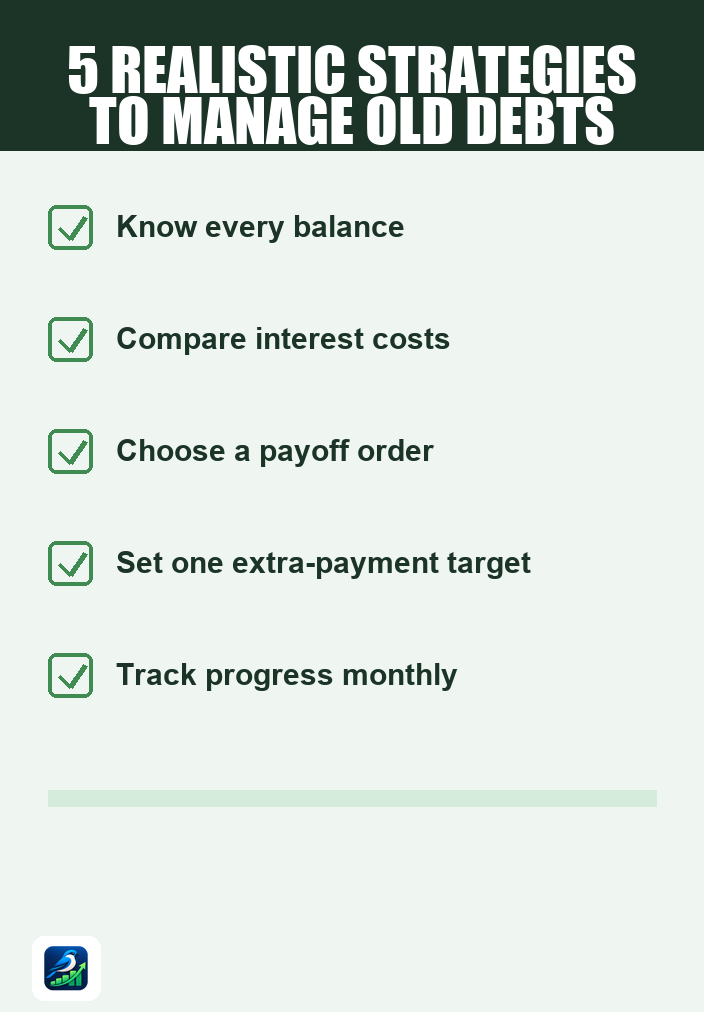
Understanding Realistic Solutions for Managing Old Debts and Collections
Dealing with old debts and collections can feel overwhelming, especially if you’ve been struggling for a while. Whether you’ve fallen behind on payments due to unexpected expenses or faced financial setbacks, knowing your options can help you regain control. This article will explore realistic solutions for managing old debts and collections, emphasizing clarity and practicality.
Assessing Your Debt Situation
Before diving into solutions, it’s crucial to understand your current debt situation. Start by gathering all your financial documents, including:
- Statements from creditors
- Collection notices
- Credit reports
Once you have this information, create a comprehensive list of your debts. Include details such as the creditor’s name, the total amount owed, interest rates (if applicable), and any payment deadlines. This will serve as your foundation for deciding how to proceed.
Exploring Your Options
When it comes to managing old debts, you have several options. Each has its pros and cons, so it’s essential to weigh them carefully.
1. Debt Consolidation
Debt consolidation involves combining multiple debts into a single loan, often with a lower interest rate. This can simplify payments and potentially lower your monthly obligations. However, it’s important to remember:
- Consolidation doesn’t eliminate debt; it merely restructures it.
- There may be fees involved in obtaining a new loan.
- If you secure a longer repayment term, you might pay more in interest over time.
For example, if you have three credit cards with a total debt of $10,000 at 20% interest, consolidating into a loan at 10% might lower your monthly payment. However, consider the total interest you’ll pay over the life of the loan versus the original debts.
2. Debt Management Plans (DMP)
A DMP is a structured repayment plan established with the help of a credit counseling agency. Here’s how it works:
- The agency negotiates with creditors to possibly reduce interest rates or waive fees.
- You make a single monthly payment to the agency, which then distributes the funds to your creditors.
While DMPs can provide relief and simplify payments, they typically require you to commit to a budget and avoid new credit during the repayment period. Remember, DMPs can take 3-5 years to complete, so patience is key.
3. Debt Settlement
Debt settlement involves negotiating with creditors to pay a lump sum that is less than the total amount owed. While this can be a way to reduce your overall debt, there are significant considerations:
- It can severely impact your credit score.
- Creditors may refuse to negotiate, or you could be required to stop making payments, leading to additional fees.
- Settling may have tax implications, as forgiven debt can be considered taxable income.
Debt settlement is not suitable for everyone, and it’s generally advisable to explore this option only if you can afford to pay a lump sum and are prepared for the potential consequences.
4. Bankruptcy
Filing for bankruptcy is a legal process that can discharge certain debts, providing a fresh start. However, it comes with long-term effects:
- Bankruptcy can remain on your credit report for up to 10 years.
- Not all debts can be discharged (e.g., student loans, certain tax debts).
- There are costs associated with filing, and you may need to undergo credit counseling.
Bankruptcy should be considered a last resort after exploring other options, as it can have lasting repercussions on your financial future.
Creating a Plan of Action
Once you’ve explored your options, it’s time to create a plan of action. Here’s how you can do it:
- Set clear goals: Decide what you want to achieve—whether it’s paying off a specific debt, improving your credit score, or simply reducing your financial stress.
- Establish a budget: Create a monthly budget that accounts for your income and essential expenses. Identify areas where you can cut back and allocate more funds toward debt repayment.
- Choose a strategy: Based on your research, select the option that aligns best with your goals and financial situation. Whether it’s debt consolidation, a DMP, or another approach, commit to it.
- Track your progress: Regularly review your financial situation to stay on track. Adjust your plan as necessary, especially if you encounter unexpected challenges.
Seeking Professional Guidance
While you can manage your debts independently, seeking professional guidance can be beneficial. Financial advisors or credit counseling services can provide personalized insights and help you navigate your options more effectively. Just ensure that any service you choose is reputable and transparent about its fees and services.
Next Steps
Managing old debts and collections requires a thoughtful approach. Start by assessing your debt situation, exploring your options, and creating a comprehensive plan. Remember, there’s no one-size-fits-all solution, and the best path will depend on your unique circumstances. Take a proactive approach, and don’t hesitate to seek guidance when needed. With the right strategies, you can work towards a more stable financial future.



















