
Understanding Debt Consolidation Loans: 11 Key Considerations
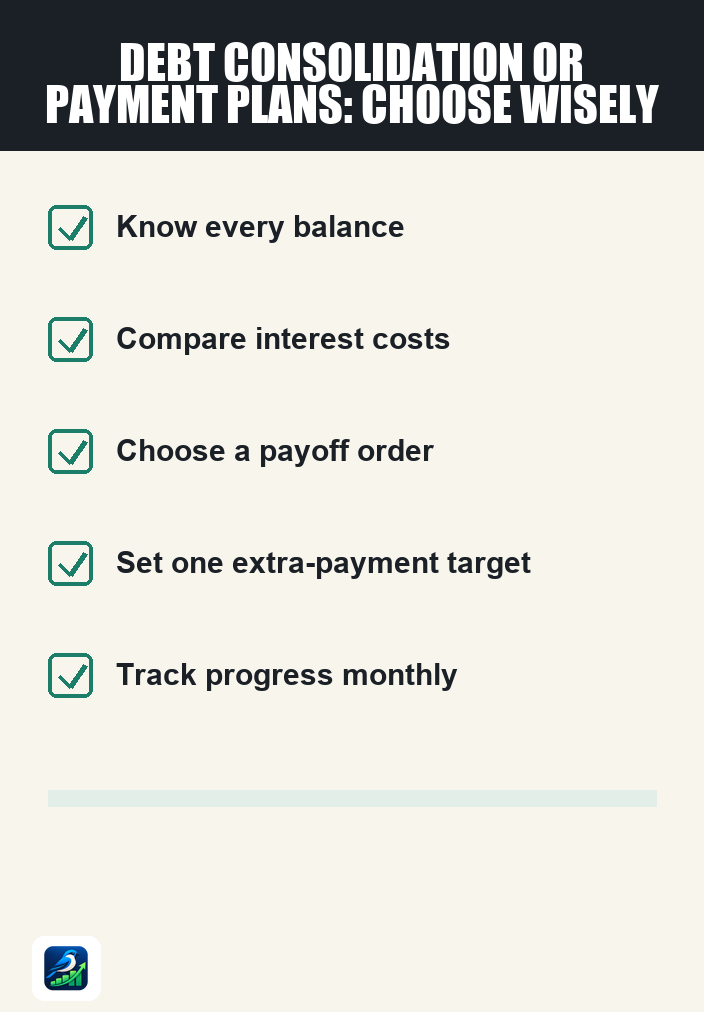
Debt consolidation loans can be a useful tool for managing multiple debts, but they aren’t a one-size-fits-all solution. Before diving into the application process, it’s essential to take a step back and assess your financial situation and the implications of consolidating your debts. Below, we outline 11 key items to consider before applying for a debt consolidation loan.
1. Assess Your Current Debt Situation
Begin by listing all your debts, including balances, interest rates, and monthly payments. Understanding the total amount you owe will help you determine whether debt consolidation is a viable option for you. If your debts are primarily high-interest credit cards, consolidation may help you save on interest, but it’s crucial to evaluate all debts comprehensively.
2. Know the Difference: Debt Consolidation vs. Debt Settlement
It’s important to distinguish between debt consolidation and debt settlement. Debt consolidation combines multiple debts into a single loan, ideally at a lower interest rate. In contrast, debt settlement involves negotiating with creditors to pay less than what you owe. While consolidation can simplify payments, settlement can significantly impact your credit score and may not be suitable for everyone.
3. Evaluate Your Credit Score
Your credit score plays a significant role in the terms and interest rates you’ll receive for a consolidation loan. Lenders use your score to assess risk. If your score is low, you may not qualify for favorable rates. Check your credit report for accuracy and consider taking steps to improve your score before applying.
4. Compare Loan Options and Terms
Not all debt consolidation loans are created equal. Take the time to compare different lenders, interest rates, and loan terms. Look for loans with no hidden fees or penalties for early repayment. A lower interest rate can save you money over time, but ensure that the terms align with your financial capabilities.
5. Determine the Loan Amount You Need
When applying for a debt consolidation loan, know how much you need to borrow. This should cover the total of your existing debts. Borrowing more than necessary can lead to a cycle of debt, particularly if you’re tempted to use the extra funds for additional expenses.
6. Understand the Fees Involved
Many lenders charge fees associated with debt consolidation loans, such as origination fees or prepayment penalties. Review the loan agreement carefully to understand all associated costs. These fees can sometimes negate the benefits of a lower interest rate.
7. Consider the Impact on Your Credit Score
While debt consolidation can lead to improved credit over time, it may temporarily lower your credit score when you apply for a new loan due to the hard inquiry on your credit report. Additionally, if you close old accounts after consolidation, this could also affect your score. Weigh these factors carefully against the potential benefits.
8. Evaluate Your Budget and Payment Ability
Before committing to a debt consolidation loan, evaluate your monthly budget. Can you comfortably make the monthly payments? If your financial situation changes, will you still be able to meet these obligations? It’s crucial to ensure that you won’t be putting yourself in a more precarious financial position.
9. Research Lender Reputation
Not all lenders are trustworthy, and predatory lending practices do exist. Research potential lenders by reading reviews and checking their credentials. Look for lenders with a strong reputation for customer service and transparency in their practices.
10. Explore Alternatives to Debt Consolidation
Debt consolidation is just one option for managing debt. Consider other alternatives such as debt management plans, which involve working with a credit counseling agency to negotiate lower interest rates and payments. Bankruptcy is another option but comes with significant long-term consequences. Always weigh the pros and cons of each approach before deciding.
11. Seek Professional Guidance if Necessary
If your debts are overwhelming or your financial situation is complex, consider seeking professional advice from a credit counselor or financial advisor. They can provide insights tailored to your specific situation and help you explore all options available.
Next Steps
Before applying for a debt consolidation loan, take the time to assess your financial situation, compare lenders, and explore alternatives. Being thorough in your research and understanding the implications can lead to more informed decisions and better financial outcomes. If you feel lost at any point, don’t hesitate to reach out for professional guidance.



















