
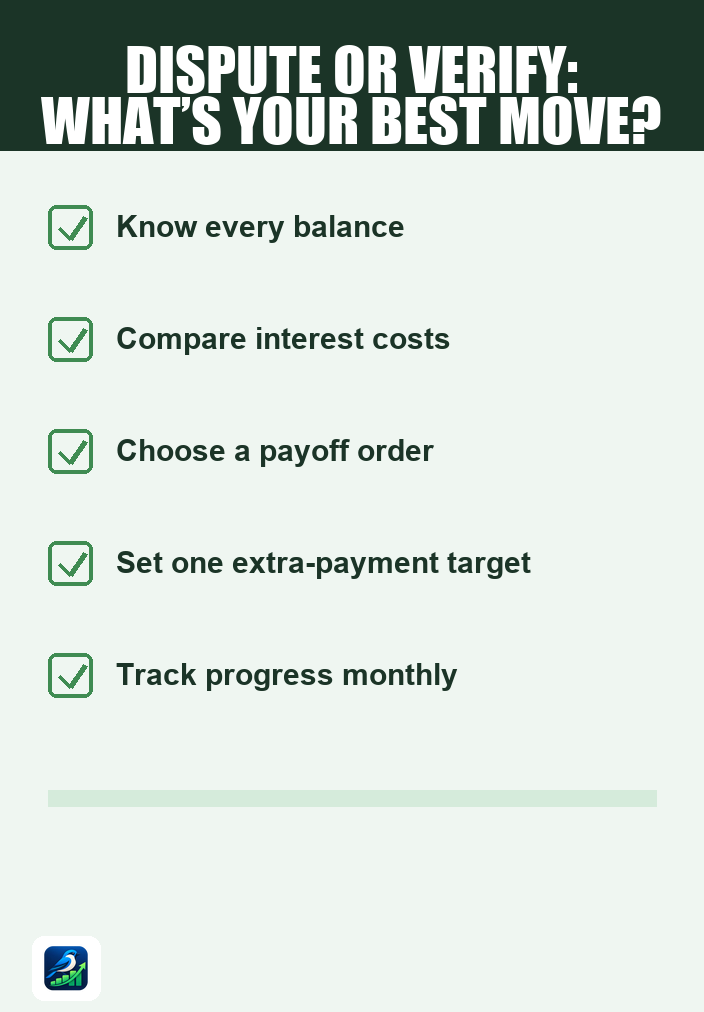
Understanding the Basics: Dispute vs. Verify
When dealing with debt, especially if it has been sent to collections, you may find yourself facing two primary options: disputing the debt or verifying it. Understanding the distinction between these two actions is crucial for effectively managing your financial situation.
To put it simply, disputing a debt means you are challenging its validity, whereas verifying a debt involves confirming its accuracy. Both actions serve different purposes in your debt management journey and come with unique implications.
Disputing a Debt: What It Means
Disputing a debt typically arises when you believe the debt is inaccurate or that you do not owe it at all. This might occur due to various reasons, such as:
- The debt was paid, but not properly documented.
- You are a victim of identity theft.
- The debt is beyond the statute of limitations for collection.
- The amount claimed is incorrect.
When you dispute a debt, you inform the creditor or collection agency that you believe the claim is invalid. It is essential to provide evidence supporting your claim, as this will strengthen your case.
Steps to Dispute a Debt
- Gather Documentation: Collect any relevant documents that can support your claim, such as payment receipts or correspondence with the creditor.
- Write a Dispute Letter: Clearly outline the reasons for your dispute and include copies of the supporting documents. Be sure to send this letter via certified mail to have proof of your communication.
- Follow Up: After sending the dispute letter, follow up with the creditor or collection agency to ensure they received it and are reviewing your claim.
- Wait for a Response: The creditor or collection agency is required to investigate your dispute and respond within a reasonable timeframe.
Verifying a Debt: What It Entails
On the other hand, verifying a debt does not challenge its validity but rather seeks to confirm the details surrounding the debt. This is often a step taken when you receive a notice from a creditor or collection agency and want to ensure that the information they provided is accurate.
Reasons you may want to verify a debt include:
- Uncertainty about the original creditor or amount owed.
- Confusion over whether the debt is yours or belongs to someone else.
- Insufficient information provided by the collection agency.
Steps to Verify a Debt
- Request a Validation Notice: Contact the creditor or collection agency and ask for a validation notice, which provides detailed information about the debt.
- Review Documentation: Once you receive the validation notice, review it carefully to check for accuracy in the amount owed, original creditor details, and any other relevant information.
- Respond if Necessary: If the information provided is unclear or appears incorrect, you can then decide whether to dispute it or seek further clarification.
Pros and Cons of Disputing vs. Verifying
Both disputing and verifying debts come with their advantages and disadvantages. Understanding these can help you make a more informed decision about your next steps.
Pros of Disputing a Debt
- If successful, a dispute can remove an erroneous entry from your credit report.
- Disputing can help prevent collections if the debt is not yours.
- It may provide peace of mind if you believe a mistake has been made.
Cons of Disputing a Debt
- It may take time to resolve the dispute, causing temporary stress.
- If your dispute is unsuccessful, the debt may remain on your record, potentially affecting your credit score.
- Some creditors may pursue further collection actions during the dispute process.
Pros of Verifying a Debt
- Verification can clarify any confusion and ensure you understand your obligations.
- It may help you identify potential errors before they escalate into larger issues.
- It can establish a basis for further action, such as disputing if you find inaccuracies.
Cons of Verifying a Debt
- Verification doesn’t guarantee that the debt will be removed from your credit report.
- It may require you to engage with the creditor, which can be uncomfortable or stressful.
- In some cases, acknowledging the debt may inadvertently lead to collection actions.
When to Choose Each Option
Your choice between disputing and verifying a debt should be guided by your specific circumstances:
- If you genuinely believe the debt is not yours or is incorrect, consider disputing it.
- If you need clarification about a debt you believe is valid but want to confirm details, go for verification.
- If you suspect identity theft or have been wrongly pursued by collectors, disputing is often the better course of action.
- If you simply want to understand your debts better, verifying is the way to go.
Conclusion and Next Steps
Understanding whether to dispute or verify a debt is key to effectively managing your financial obligations. Each option has its place, and knowing when to use each can help you navigate your debt situation more smoothly.
As a practical next step, take inventory of your debts. Gather any relevant documents, and assess whether you have any inaccuracies to dispute or if you need more information to verify the details of your debts. Consider seeking professional guidance if you feel overwhelmed or uncertain about the best course of action.



















