
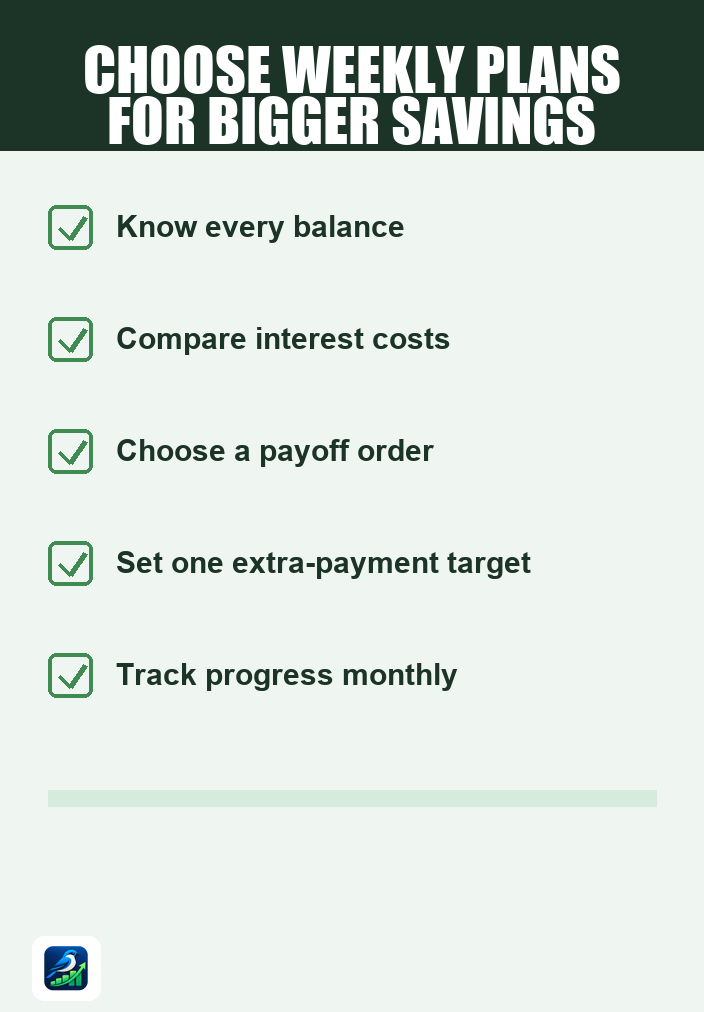
Understanding Weekly Spending Plans
A weekly spending plan breaks down your financial activity into manageable segments, allowing you to allocate your funds in shorter time frames. This approach can be particularly beneficial for individuals who find it challenging to stick to a longer-term budget. With a weekly plan, you can track your spending more closely and adjust your habits more frequently.
Benefits of Weekly Spending Plans
- Real-Time Tracking: You can assess your spending habits weekly, making it easier to identify areas where you can cut back.
- Flexibility: If you overspend one week, you can adjust your spending the following week to compensate.
- Short-Term Goals: You can set weekly financial goals that can motivate you to stick to your plan.
Challenges of Weekly Spending Plans
- Time-Consuming: Regularly tracking your finances can be demanding and may require more effort than a monthly budget.
- Potential for Over-Adjustment: Making too many changes based on short-term fluctuations can lead to inconsistencies.
- Short-Term Focus: This approach might make it harder to see the bigger picture of your overall financial health.
Exploring Monthly Budgets
On the other hand, a monthly budget provides a broader view of your financial situation. It allows you to assess your income and expenses over a longer period, which can help with planning for larger expenses and saving for future goals.
Benefits of Monthly Budgets
- Comprehensive Overview: You can see how your spending aligns with your income over a month, helping to identify trends.
- Ease of Planning: Monthly budgets can simplify the process of planning for fixed expenses like rent, utilities, and loan payments.
- Long-Term Goals: This approach allows you to set and track progress toward larger financial goals, such as saving for a vacation or paying off debt.
Challenges of Monthly Budgets
- Less Frequent Adjustments: You may miss opportunities to cut back on spending if you only review your budget once a month.
- Overwhelming for Beginners: New budgeters might find it challenging to gather all the necessary information for an entire month.
- Risk of Overspending: If you have a good month, you might be tempted to overspend in anticipation of future income.
Which Approach Saves You More?
The question of whether a weekly spending plan or a monthly budget saves you more ultimately depends on your personal financial habits and lifestyle. However, both methods have unique benefits that can lead to better financial health if utilized correctly.
When Weekly Spending Plans Work Best
- If you have fluctuating income, such as commission-based pay or freelance work, tracking your finances weekly can help you adapt more quickly.
- If you struggle with impulse spending, a weekly plan can keep your spending in check by providing more frequent assessments of your finances.
- If you prefer immediate feedback on your financial habits, a weekly approach gives you more opportunities to adjust your spending.
When Monthly Budgets Work Best
- If you have steady, predictable income, a monthly budget can help you plan for fixed expenses and savings goals.
- If you want to simplify your financial planning, a monthly budget may require less frequent adjustments and provide a clearer view of your overall financial health.
- If you are saving for long-term goals, a monthly budget can help you track your progress toward those objectives more effectively.
Combining the Two Approaches
It’s worth noting that you don’t have to choose one approach over the other. Many individuals find success by combining weekly spending plans with monthly budgets. This hybrid method allows you to benefit from the strengths of both systems while mitigating their weaknesses.
How to Combine Both Approaches
- Establish Your Monthly Budget: Start by outlining your income and fixed expenses for the month.
- Break It Down Weekly: Divide your total budget into weekly segments to create weekly spending limits.
- Track Weekly Spending: Use a weekly planner to record your expenses and assess your spending habits.
- Adjust as Necessary: If you find yourself overspending in one week, adjust your budget for the following week to avoid falling behind.
- Review Monthly: At the end of the month, review your overall spending to identify trends and areas for improvement.
Practical Next Steps
To determine which approach works best for you, consider the following steps:
- Assess Your Financial Habits: Reflect on your spending habits and income stability to identify which approach may suit you better.
- Test Both Methods: Try using both a weekly spending plan and a monthly budget for a month or two to see which one feels more manageable and effective.
- Adjust as Needed: Don’t hesitate to modify your approach based on your experiences. The key is to find a system that helps you stay on track with your financial goals.
Ultimately, the right approach for managing your finances is one that you can stick to consistently. Whether it’s a weekly spending plan, a monthly budget, or a combination of both, the goal is to gain control over your spending and work toward improving your financial health.



















