
Understanding Old Debts and Collections
Dealing with old debts and collections can be a daunting task. Many adults find themselves in a situation where they need to understand how to manage these financial obligations without falling into common traps. The key is to approach the situation with a clear strategy and an understanding of your options.
Recognizing the Types of Old Debts
Before diving into strategies, it’s essential to understand the different types of old debts you may encounter:
- Charged-off debts: These are debts that creditors have given up on collecting, often after a significant period of non-payment. However, they can still be sold to collection agencies.
- Collections accounts: These are accounts that have been transferred to a collection agency due to unpaid debts. They often appear on your credit report.
- Judgments: If a creditor takes legal action against you for an unpaid debt, a court judgment may be issued against you, allowing them to garnish wages or seize assets.
Common Traps to Avoid
When dealing with old debts, certain pitfalls can make the situation worse. Here are some common traps to avoid:
1. Ignoring Communication
One of the biggest mistakes individuals make is ignoring letters, calls, or notices from creditors or collection agencies. This can lead to:
- Increased debt due to late fees and interest.
- Legal action, resulting in court judgments.
- Further damage to your credit score.
Instead, consider setting aside time to review any communication you receive. Understanding what is owed and to whom is critical for formulating a plan.
2. Making Partial Payments
While it may seem logical to make a small payment to avoid further collection actions, doing so can sometimes acknowledge the debt and reset the statute of limitations. This means the creditor may have more time to pursue the debt legally.
Before making any payment, verify if the debt is still valid and if making a payment will have any legal implications. Always check your local laws regarding debt collection before proceeding.
3. Falling for Scams
Debt collection scams are prevalent, especially for older debts. Scammers may attempt to collect on debts that don’t exist or are not yours. Be wary of:
- Demands for immediate payment.
- Pressure tactics that create a sense of urgency.
- Requests for personal information over the phone.
Always verify the legitimacy of a debt collector by asking for written validation of the debt before making any payments.
Evaluating Your Options
Once you understand your debts and have avoided common traps, it’s time to explore your options. Here are some paths you can take:
Debt Consolidation
Debt consolidation involves combining multiple debts into a single loan or payment plan, often with a lower interest rate. This can simplify payments but may not be appropriate for everyone. Consider these points:
- Ensure the new loan has favorable terms.
- Understand any fees associated with the new loan.
- Recognize that consolidating does not eliminate the debt; it simply restructures it.
Debt Management Plans
A debt management plan (DMP) is typically offered by credit counseling agencies. They negotiate with creditors on your behalf to lower interest rates and create a structured repayment plan. However, keep in mind:
- You may need to pay fees to the counseling agency.
- It can take several years to complete the plan.
- Your credit score may be impacted during the repayment period.
Debt Settlement
Debt settlement involves negotiating with creditors to pay less than what you owe. While this can lead to reduced payments, it comes with significant risks:
- Your credit score will likely suffer during the settlement process.
- Creditors are not obligated to settle, and you may end up paying more.
- Any forgiven debt may be considered taxable income by tax authorities.
Bankruptcy
Bankruptcy can provide relief from overwhelming debt, but it’s a serious decision with long-term consequences:
- It can remain on your credit report for up to ten years.
- Not all debts can be discharged through bankruptcy.
- You may lose assets depending on your situation and local laws.
Taking Practical Steps Forward
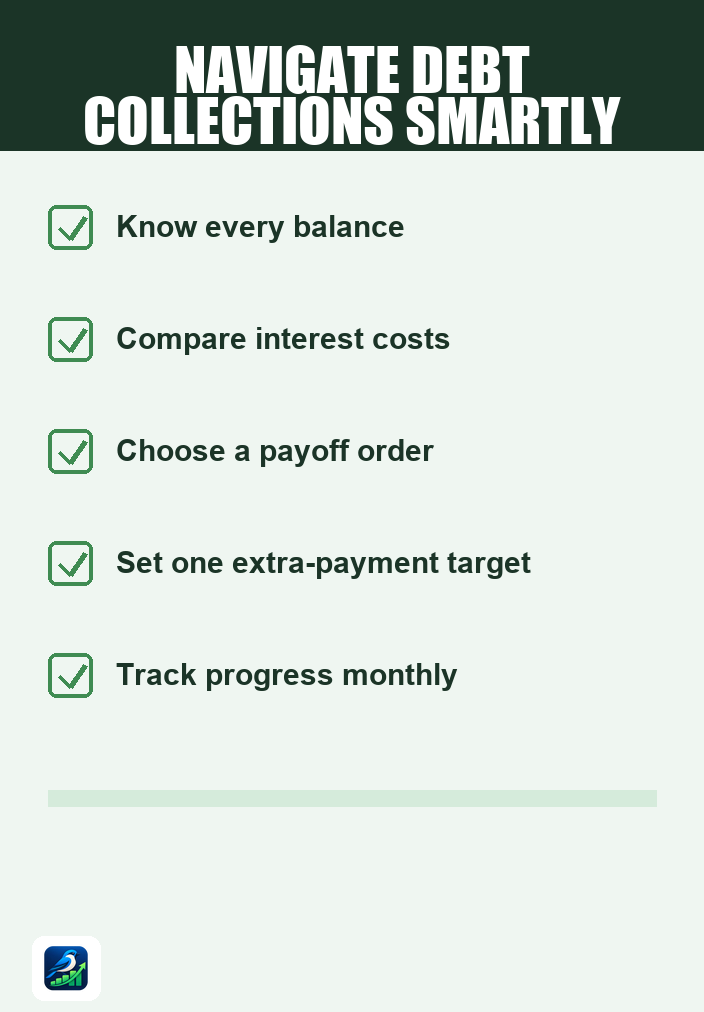
Managing old debts requires a proactive approach. Here are some practical steps to help you move forward:
- Gather Information: Collect all documentation related to your debts, including amounts owed, original creditors, and any communication received.
- Review Your Credit Report: Obtain a copy of your credit report to identify all debts and their statuses.
- Assess Your Financial Situation: Create a budget that outlines your income, expenses, and how much you can realistically allocate to debt repayment.
- Contact Creditors: Reach out to creditors to discuss your situation. Many may be willing to negotiate payment plans or settlements.
- Seek Professional Guidance: If overwhelmed, consider consulting with a credit counselor or financial advisor to explore your options.
Conclusion
Dealing with old debts and collections doesn’t have to be a lonely journey. By understanding the types of debts you face, avoiding common traps, and exploring your options, you can create a more manageable financial future. Remember, a proactive and informed approach will always be your best ally.
Next Steps
Take a moment to review your current financial situation. Identify which debts are causing the most stress and prioritize your next actions based on the strategies discussed. Consider creating a timeline for addressing each debt, and don’t hesitate to reach out for support if needed. The journey toward financial stability starts with a single step.



















