
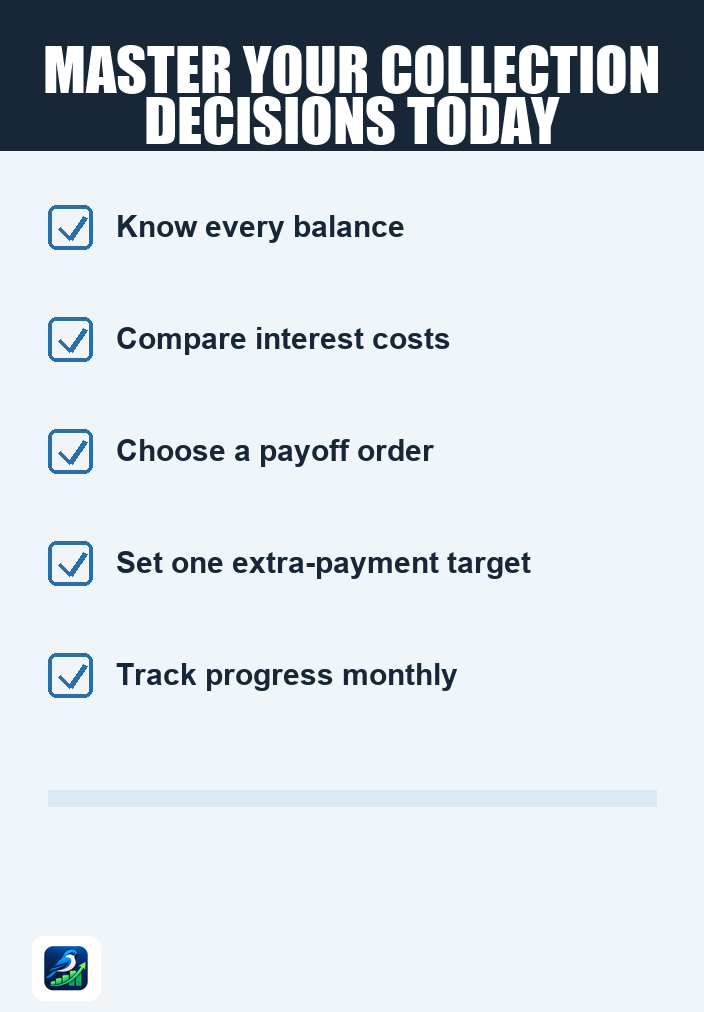
Understanding Your Options When Resolving a Collection
When faced with a collection account, you may feel overwhelmed by the choices at your disposal. Understanding what to keep and what to avoid during this time is crucial for your financial well-being. This article will help you navigate these decisions, providing practical advice to help you resolve collections effectively.
Identifying the Collection Account
The first step in resolving a collection account is to identify it accurately. Gather all relevant information about the debt, including the original creditor, the amount owed, and the date of delinquency. Having this information organized can help you make informed decisions about your next steps.
Confirm the Debt
Before taking any action, confirm that the debt is valid. Many people pay debts they don’t actually owe. You have the right to request validation of the debt from the collector. This means they must provide proof that you owe the amount they’re claiming. If they cannot provide this, you may have grounds to dispute it.
Deciding What to Keep: Payment Options
Once you confirm the debt, you will need to decide how to handle payment. Here are some common options:
- Paying the Debt in Full: This option may be suitable if you have the funds available and want to eliminate the debt immediately. However, ensure that you have a clear understanding of the total amount owed, including any fees or interest.
- Setting Up a Payment Plan: If paying in full isn’t an option, request a payment plan. This allows you to pay in manageable installments over time. Be sure to negotiate terms that fit your budget.
- Settling the Debt: In some cases, collectors may agree to settle for less than the total amount owed. If you consider this option, be prepared to negotiate and ensure you get the agreement in writing before making any payments.
What to Avoid: Common Pitfalls
While resolving a collection, there are several pitfalls to avoid:
- Ignoring the Debt: Ignoring a collection account can lead to further complications, including legal actions. It’s essential to address the debt proactively.
- Making Unverified Payments: Never pay a collector without verifying the debt first. Making payments without understanding the total amount owed can lead to unnecessary financial strain.
- Assuming All Collectors Are the Same: Different collectors have different policies and practices. Research each collector to understand their negotiation practices and reputation.
Considering Debt Relief Options
If you find that resolving a collection account is more complicated than anticipated, exploring debt relief options may be beneficial. Here’s a breakdown of common strategies:
Debt Consolidation
Debt consolidation involves combining multiple debts into a single loan with a potentially lower interest rate. This can simplify payments but may not necessarily lower the total amount owed. Be mindful of any fees associated with consolidation loans.
Debt Management Plans
Through a debt management plan, a credit counseling agency negotiates with your creditors to create a manageable payment plan. While this can help you avoid collection actions, ensure you understand any fees and how it may impact your credit.
Debt Settlement
Debt settlement involves negotiating with creditors to settle your debts for less than you owe. While this can provide immediate relief, it can have a negative impact on your credit score and may not be suitable for everyone. Consider the long-term implications before proceeding.
Bankruptcy
Bankruptcy is a legal process that can provide relief from debts, including collections. However, it has significant consequences for your credit and financial future. If you’re considering this path, consult with a legal professional to fully understand your options and the implications.
Next Steps: Creating a Plan
After assessing your options, it’s time to create a plan for moving forward:
- Gather Documentation: Ensure all documentation related to the collection account is organized and accessible.
- Choose Your Path: Decide whether to pay the debt in full, negotiate a settlement, or explore other debt relief options.
- Communicate with Creditors: Be proactive in communicating with your creditors or collectors. Clear communication can lead to better outcomes.
- Monitor Your Credit: Keep an eye on your credit report to understand how your actions influence your credit score and overall financial health.
Resolving a collection account can be daunting, but understanding your options and making informed decisions will put you on a path to financial recovery. Remember, it’s essential to avoid hasty actions and consider the long-term implications of your choices.



















