
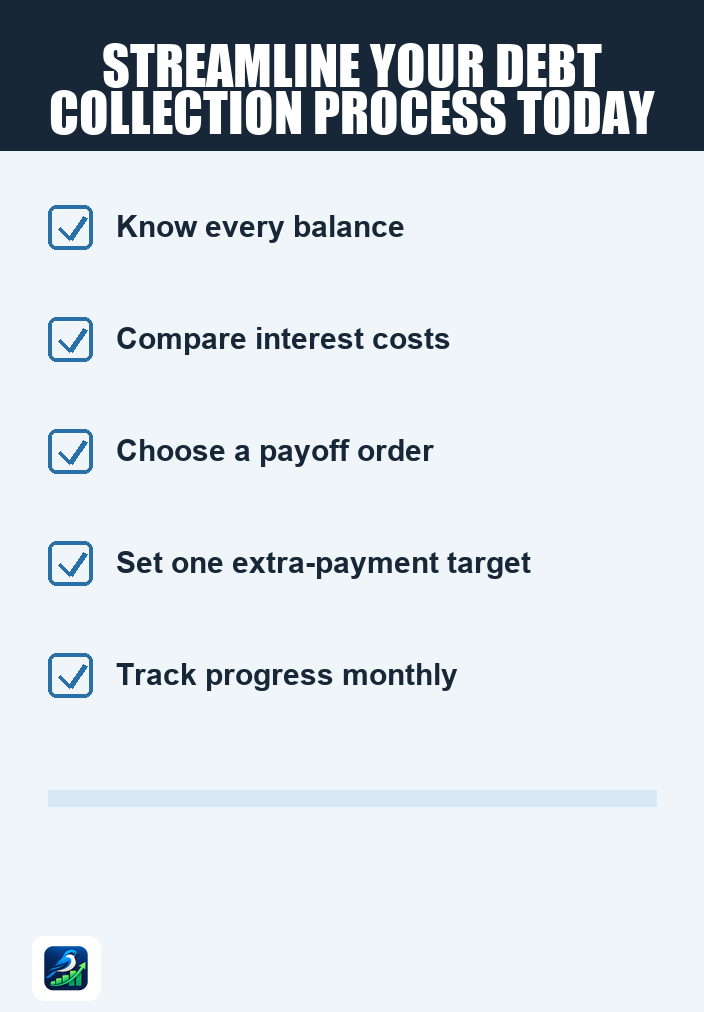
Understanding the Importance of Documentation in Debt Collection
Navigating the world of debt collection can feel overwhelming, especially when it comes to understanding the documentation involved. Knowing what to ask and what to look for can empower you to manage your situation more effectively. This article outlines crucial questions to clarify your debt collector documentation process, helping you stay organized and informed.
Key Questions to Ask About Your Debt Collector Documentation
When dealing with debt collectors, it’s essential to gather and understand the necessary documentation. Here are some vital questions to consider:
1. What is the total amount of debt owed?
Before anything else, confirm the exact amount you owe. Debt collectors may include fees and interest, which can alter the total. Request a detailed breakdown of the debt, including:
- Original balance
- Interest accrued
- Fees or charges added
Understanding the total amount owed can help you figure out your next steps, whether that involves negotiating, consolidating, or setting a payment plan.
2. Who is the original creditor?
It’s crucial to know who initially extended credit. This can help confirm the legitimacy of the debt. Ask the collector for the name and contact information of the original creditor. This information can serve as a reference point if you need to dispute any claims.
3. Can I see the original contract or agreement?
Request a copy of the original agreement that details the terms of the debt. The contract should include:
- The date the account was opened
- The payment terms
- Any relevant disclosures
Having this documentation can clarify your obligations and protect you from any misrepresentation.
4. Is this debt within the statute of limitations?
Every state has a statute of limitations on how long a creditor can legally pursue a debt. Ask the collector about the date of the first missed payment or the last activity on the account. If the debt is past the statute of limitations, you may have legal grounds to dispute it.
5. Has this debt been sold or assigned?
Understanding whether your debt has been sold to another collector or simply assigned can impact how you negotiate. If it’s been sold, the new collector may have different practices or may not have all the original documentation. Clarifying this can help you know whom to communicate with about your debt.
6. What is the collector’s licensing status?
Debt collectors must be licensed in the states where they operate. Ask for their license number and verify it through state regulatory agencies. This step ensures that you are dealing with a legitimate collector.
Organizing Your Debt Documentation
Once you have the necessary information, it’s time to organize your documentation. Here are some practical steps:
- Create a dedicated folder: Use a physical or digital folder to store all correspondence, agreements, and payment records related to your debt.
- Keep records of all communications: Log dates, times, and details of conversations with collectors. This information can be useful if disputes arise.
- Document your payments: If you make any payments, keep receipts or bank statements as proof.
Staying organized will help you track your progress and ensure that you have all the necessary documentation when negotiating or disputing debts.
Evaluating Your Options Moving Forward
Once you have a clear understanding of your debt and the associated documentation, consider your options for dealing with it:
Debt Consolidation
This option involves taking out a new loan to pay off multiple debts. While it can simplify payments, be cautious of interest rates and fees associated with the new loan.
Debt Management Plans
Working with a credit counseling agency can help you create a plan to manage your debt. They may negotiate with creditors on your behalf, but be aware of potential fees and the time commitment involved.
Debt Settlement
In this scenario, you negotiate with creditors to pay less than the full amount owed. This can be risky because it may affect your credit score, and not all creditors will agree to settle.
Bankruptcy
As a last resort, filing for bankruptcy can discharge certain debts. However, it has long-lasting effects on your credit report and should be considered carefully.
Each of these options has its trade-offs, so it’s essential to weigh them based on your unique situation.
Next Steps to Take Control of Your Debt
Understanding and organizing your debt collector documentation process is crucial in managing your financial situation. Here’s what you can do next:
- Gather all documentation related to your debt.
- Ask the crucial questions outlined in this article.
- Evaluate your options for debt management.
- Consider seeking advice from a financial counselor or legal professional if needed.
Taking these steps can empower you to make informed decisions and take control of your financial future. Remember, staying organized and informed is your best strategy in dealing with debt collectors.



















