
Understanding the Importance of Asking the Right Questions
When facing consumer debt, the path to relief can often feel daunting, especially when you’re on a tight budget. The decisions you make can significantly impact your financial future. A critical part of navigating your options is asking the right questions. This article explores why questioning is essential and how it can guide your debt relief efforts effectively.
Identifying Your Debt Situation
Before you can address your debt, you need a clear understanding of your current financial situation. Here are some questions to consider:
- What types of debt do I have? Knowing whether your debt is credit card debt, medical bills, personal loans, or student loans helps in forming a targeted strategy.
- What are the interest rates on my debts? Understanding the cost of your debt can help prioritize which debts to tackle first.
- What is my total debt amount? Having a clear picture of your total debt helps in setting realistic goals.
- What is my monthly income and expenses? A budget analysis will highlight how much you can allocate towards debt repayment.
Exploring Debt Relief Options
Once you have a grasp of your debt situation, the next step is evaluating your options. Here are some key questions to guide you:
Debt Consolidation
If you’re considering consolidating your debt, ask:
- What are the terms of the consolidation loan? Look for details like interest rates and repayment periods.
- Will I incur additional fees? Some loans may come with origination fees or penalties that can negate your savings.
- How will this impact my credit score? Understand that while consolidation may simplify payments, it can also affect your credit utilization ratio.
Debt Management Plans
For those thinking about a debt management plan (DMP), consider:
- What fees does the credit counseling agency charge? Some agencies charge a monthly fee, which can impact your budget.
- How long will the plan last? Knowing the duration helps you mentally prepare for the commitment.
- Will my creditors agree to this plan? Not all creditors accept DMPs, so verify potential outcomes.
Debt Settlement
If debt settlement is on your radar, ask:
- What percentage of my debt can I realistically settle for? Understanding the typical settlement range can guide your expectations.
- What will happen to my credit score? Settling debts can negatively impact your credit score, so weigh this against potential relief.
- Are there legal implications to consider? Some settlements may have tax consequences, so consult a professional if needed.
Bankruptcy
If bankruptcy seems like a last resort, you should ask:
- What type of bankruptcy should I consider? Chapter 7 and Chapter 13 have different implications for debt discharge and asset retention.
- What are the long-term consequences of filing? Understand how bankruptcy can affect your credit and financial future.
- Am I eligible for bankruptcy? Review the means test and other eligibility requirements.
Evaluating Trade-offs and Risks
Every debt relief option carries its own set of trade-offs. Here are some essential questions to evaluate the risks:
- What impact will this decision have on my credit history? Understand how each option affects your credit report and score.
- Can I realistically commit to the repayment plan? Assess your ability to stick with a structured payment plan without adding new debt.
- What are the potential long-term costs? Weigh the immediate relief against any long-term financial burdens, like fees or higher interest rates.
Creating an Action Plan
Asking the right questions leads to informed decisions. Here’s how you can create an actionable plan:
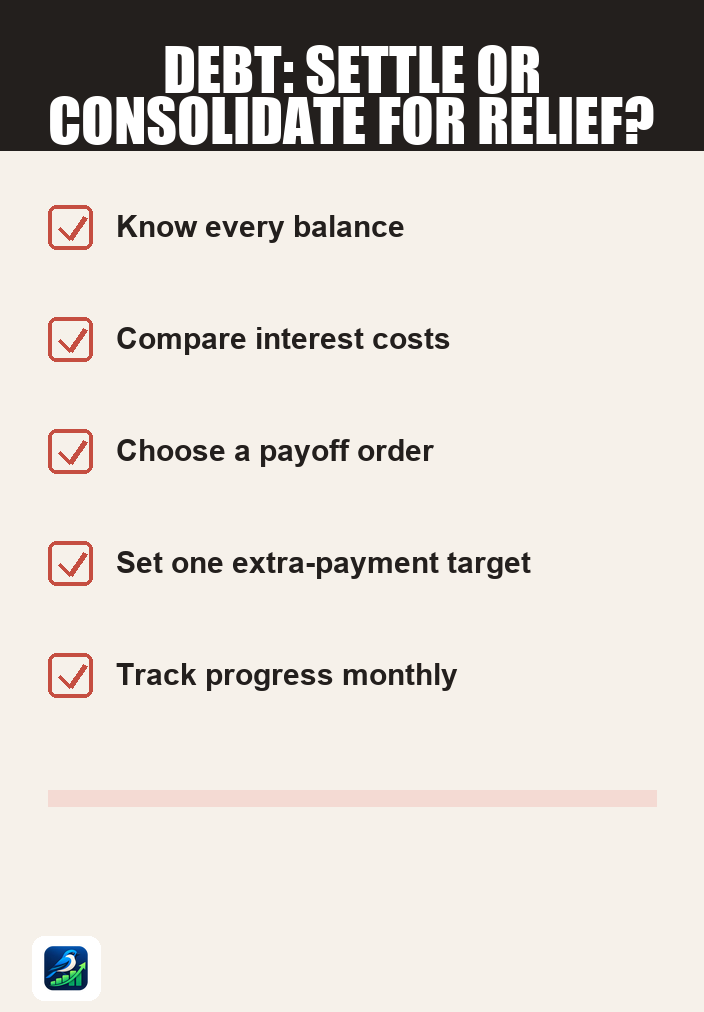
- Gather all financial documents. Create a comprehensive list of your debts, including amounts and interest rates.
- Assess your budget. Determine how much you can allocate toward debt repayment each month.
- Research options. Use the questions outlined above to evaluate possible debt relief methods.
- Consult professionals when necessary. If you’re unsure about the legal or tax implications, seek advice from financial or legal professionals.
- Execute your plan. Start with the option that best fits your situation and commit to it.
Conclusion
Asking the right questions is not just a formality; it’s a critical step in navigating the often complex landscape of debt relief. By understanding your situation, exploring your options, and weighing the trade-offs, you can make more informed decisions that align with your financial goals. The journey to debt relief may be challenging, but with the right questions, you can take meaningful steps toward regaining control of your finances.
Next Steps
To move forward:
- Assess your current debt and budget thoroughly.
- Research the debt relief options that resonate with your situation.
- Ask the necessary questions to clarify your understanding of each option.
- Be proactive in seeking help if needed.
Taking these steps can empower you to tackle your debt more effectively, even on a tight budget.