
Understanding Your Options: Debt Relief vs. Minimum Payments
When faced with consumer debt, many adults find themselves at a crossroads: should they stick to making minimum payments or explore debt relief options? This decision can significantly impact your financial future, so it’s essential to weigh the pros and cons carefully. In this article, we will delve into both approaches, highlighting pitfalls to avoid and offering practical insights.
The Basics of Minimum Payments
Minimum payments are often the easiest route to take when dealing with debt. Creditors typically require a small percentage of your overall balance each month. While this may seem manageable, sticking to minimum payments can lead to longer repayment periods and increased interest costs.
Advantages of Minimum Payments
- Simple to Manage: You simply pay the amount stated on your bill.
- Less Immediate Financial Strain: Lower payments mean you can budget more easily.
Drawbacks of Minimum Payments
- Prolonged Debt Cycle: Paying only the minimum can extend the time it takes to pay off your debt, leading to more interest accrued.
- Credit Score Impact: High credit utilization can negatively affect your credit score.
- Potential for Increased Debt: If unexpected expenses arise, you may find yourself relying on credit again.
Exploring Debt Relief Options
Debt relief encompasses various strategies aimed at reducing or eliminating your debt. These can include debt consolidation, debt management, debt settlement, or even bankruptcy. Each option has its own set of advantages and disadvantages, and understanding these can help you choose wisely.
Types of Debt Relief
- Debt Consolidation: This involves combining multiple debts into a single loan, ideally with a lower interest rate. This can simplify payments but often requires good credit to secure favorable terms.
- Debt Management: Working with a credit counseling agency, this option allows you to create a structured repayment plan, often with negotiated lower interest rates. However, this often requires a commitment to stick to the plan.
- Debt Settlement: In this case, you negotiate with creditors to pay a lump sum that is less than your total debt. While this can provide significant savings, it can also negatively impact your credit score and may not be available to everyone.
- Bankruptcy: This legal process can discharge certain types of debt, giving you a fresh start. However, it comes with long-lasting consequences for your credit and should be considered a last resort.
Advantages of Debt Relief
- Potential for Reduced Debt: Depending on the method, you may end up paying less than what you owe.
- Structured Payment Plans: Options like debt management provide a clear roadmap toward debt freedom.
- Improved Financial Health: Successfully managing or reducing debt can lead to better financial stability.
Drawbacks of Debt Relief
- Impact on Credit Score: Many debt relief options can temporarily lower your score.
- Fees and Costs: Some services may come with fees that can add to your financial burden.
- Not a One-Size-Fits-All Solution: Some methods, like debt settlement, may not be appropriate for all situations.
Making the Right Choice: Key Considerations
Choosing between minimum payments and debt relief isn’t just about crunching numbers. Here are some key factors to consider when making your decision:
- Your Financial Situation: Assess your income, expenses, and total debt. Can you realistically manage minimum payments, or are you struggling?
- Future Financial Goals: Consider what financial milestones you want to achieve. Are you saving for a home or retirement?
- Credit Score Health: Understand your current credit score and how either option may affect it.
- Time Frame: Determine how quickly you want to pay off your debt. Are you looking for a quick fix or long-term stability?
Pitfalls to Avoid
As you navigate your options, here are some common pitfalls to steer clear of:
- Ignoring the Fine Print: Whether you’re considering a debt relief program or simply making minimum payments, always read the terms and conditions. Look out for hidden fees or unfavorable terms.
- Overlooking the Impact on Credit: Understand how your choice will affect your credit score, especially if you plan to make significant purchases in the near future.
- Choosing a Quick Fix: Beware of programs that promise immediate relief. Sustainable financial health often requires time and effort.
- Putting Off Decisions: Procrastination can lead to worsening debt. Make a plan and act on it sooner rather than later.
Next Steps: Taking Control of Your Debt
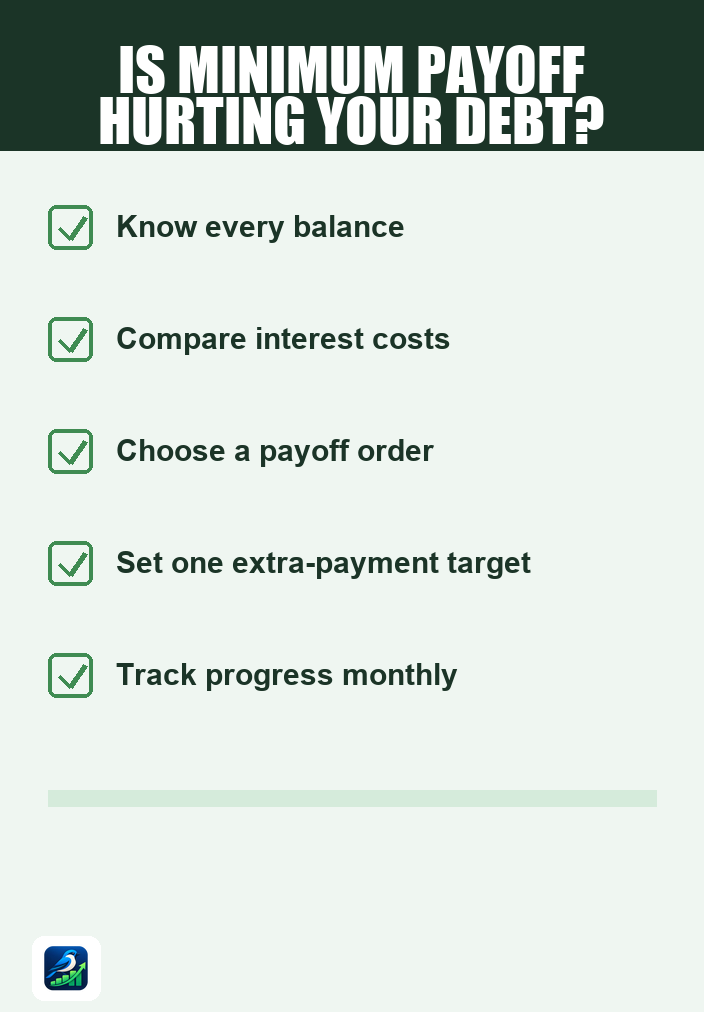
Understanding your options is the first step toward regaining control of your financial life. Here are some practical next steps:
- Assess Your Debt: List all your debts, including the amounts, interest rates, and minimum payments.
- Evaluate Your Budget: Look at your income and expenses to see how much you can afford to pay toward your debt each month.
- Research Options: Take time to explore debt relief options and consider speaking with a financial advisor or credit counselor for personalized guidance.
- Make a Plan: Decide on the best course of action based on your findings and set a timeline for implementation.
Remember, the key to overcoming debt is informed decision-making and proactive management. Whether you choose to stick with minimum payments or pursue debt relief, being aware of the trade-offs can empower you on your journey toward financial freedom.



















