Understanding Debt Relief Options
Choosing a debt relief company can feel daunting, especially when navigating the complexities of consumer debt. It’s crucial to understand the different options available and the trade-offs involved. This article aims to provide practical insights to help you make an informed decision.
Types of Debt Relief Solutions
Debt relief encompasses various options, each with its own advantages and disadvantages. It’s essential to differentiate between these solutions to find the one that aligns best with your financial situation.
Debt Consolidation
Debt consolidation involves combining multiple debts into a single loan, often with a lower interest rate. This can simplify payments and potentially reduce monthly expenses. However, consolidating debt doesn’t eliminate it; it merely shifts the debt into a different form.
- Pros: Simplifies payments; may lower interest rates; can improve credit utilization.
- Cons: Doesn’t address underlying spending habits; may require collateral; fees may apply.
Debt Management Plans (DMPs)
A debt management plan is typically set up through a credit counseling agency. It involves negotiating with creditors to reduce interest rates and create a structured repayment plan. You make a single monthly payment to the agency, which then distributes the funds to your creditors.
- Pros: Structured repayment; potentially lower interest rates; no new loans involved.
- Cons: May require monthly fees; can take years to complete; doesn’t reduce the principal amount owed.
Debt Settlement
Debt settlement involves negotiating with creditors to pay a lump sum that is less than the total amount owed. This can reduce your debt but often comes with significant risks. Not all creditors will agree to settle, and settling may negatively impact your credit score.
- Pros: Potentially lower total debt; quicker resolution than DMPs.
- Cons: Can damage credit score; may incur tax liabilities on forgiven debt; requires a lump-sum payment.
Bankruptcy
Bankruptcy is a legal process that can provide relief from overwhelming debt. It involves discharging some debts, but it severely impacts your credit report and can take years to recover from.
- Pros: Immediate relief from debt collection; can discharge unsecured debts.
- Cons: Long-lasting impact on credit; doesn’t eliminate all debts; public record.
Evaluating Debt Relief Companies
Once you understand the types of debt relief options, the next step is evaluating potential debt relief companies. Here are some criteria to consider:
Reputation and Credibility
Research the company’s reputation. Look for reviews and testimonials from past clients. Check if they are accredited by a recognized organization. A credible company should be transparent about its services and fees.
Fees and Costs
Understand the fee structure. Some companies charge upfront fees, while others may take a percentage of your savings. Ensure you know what you’ll be paying and when. Avoid companies that demand large upfront payments without clear deliverables.
Services Offered
Not all debt relief companies offer the same services. Some may specialize in debt settlement, while others focus on consolidation or management plans. Choose a company that provides the specific service you need.
Customer Service
Evaluate the quality of customer service. You’ll want a company that is responsive and willing to answer your questions. Consider reaching out with inquiries to gauge their communication style and willingness to assist.
Understanding the Trade-offs
Every debt relief option comes with trade-offs. It’s essential to weigh the pros and cons carefully. Here are some considerations:
- Long-term vs. Short-term Solutions: Some solutions may provide immediate relief but could lead to long-term consequences, like credit damage.
- Impact on Credit Score: Different options will affect your credit score in various ways. Understand how your choice may influence your creditworthiness in the future.
- Debt Duration: Some methods may extend the time it takes to pay off your debt, while others may offer quicker resolutions but with potential risks.
Next Steps
Before choosing a debt relief company, take the following steps:
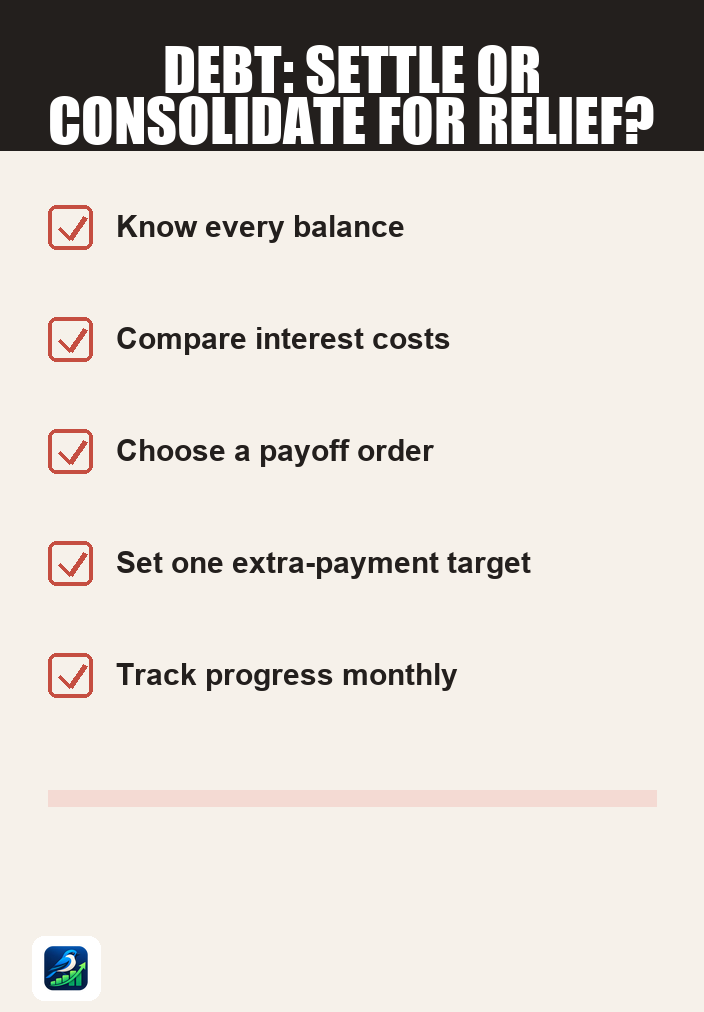
- Assess your financial situation: Make a list of your debts, income, and expenses.
- Research different debt relief options: Understand the mechanics of each option and how they align with your goals.
- Evaluate potential companies: Use the criteria discussed to identify reputable debt relief companies and compare their services and fees.
- Consult with a professional if needed: If you’re uncertain, consider seeking advice from a financial counselor.
Choosing the right debt relief company is an important decision that can impact your financial future. Take your time, do your research, and make the choice that best fits your needs.