
Understanding Your Debt Relief Options
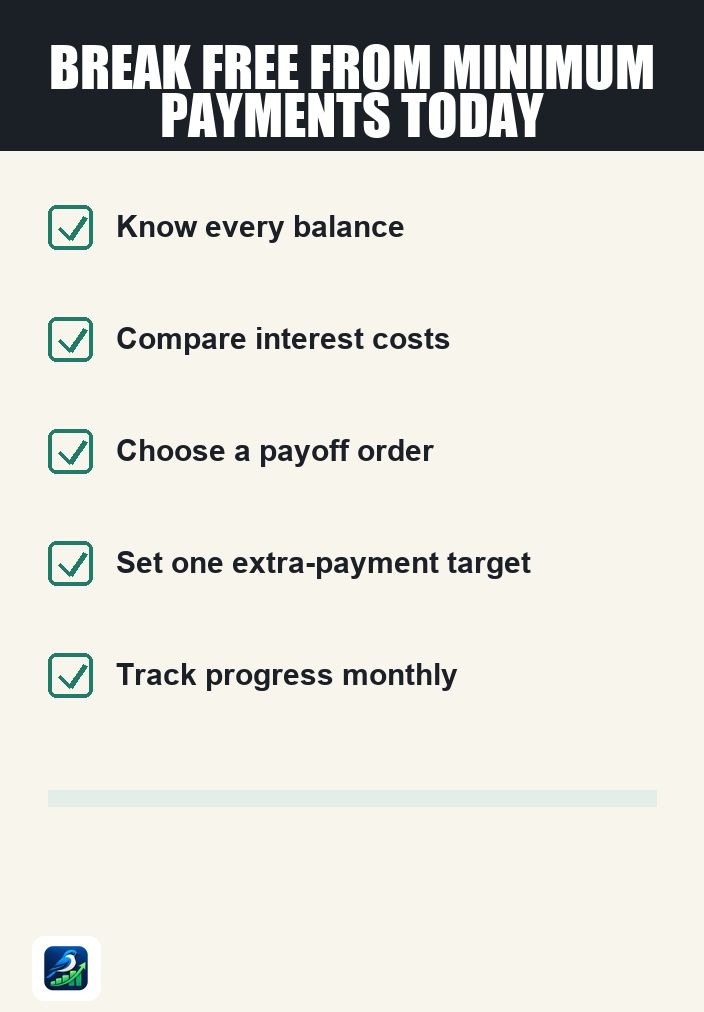
Are you feeling overwhelmed by your monthly minimum payments? If so, you’re not alone. Many adults find themselves in a cycle of debt that seems almost impossible to break. Fortunately, there are various debt relief options available. This article provides a comprehensive checklist to help you evaluate these options and make informed decisions about moving beyond just making minimum payments.
Assessing Your Current Financial Situation
Before diving into your options, it’s crucial to understand your current financial landscape. Take the following steps:
- List Your Debts: Write down each debt you owe, including the creditor, total balance, interest rate, and minimum monthly payment.
- Calculate Your Monthly Income: Determine your total monthly income, including your salary, bonuses, and any other sources.
- Track Your Monthly Expenses: Document all your monthly expenses, such as rent, utilities, groceries, and discretionary spending.
- Determine Your Debt-to-Income Ratio: Divide your total debt by your monthly income to assess how much of your income goes toward debt repayment.
Having a clear picture of your finances will make it easier to assess which debt relief options may work best for you.
Exploring Debt Relief Options
Once you’ve assessed your financial situation, you can explore various debt relief options. Below are some common methods, along with their pros and cons.
1. Debt Consolidation
Debt consolidation involves combining multiple debts into a single loan, ideally with a lower interest rate. This can simplify your payments and potentially reduce your monthly obligation.
- Pros:
- One monthly payment instead of multiple debts
- Potentially lower interest rates
- Simplified budgeting
- Cons:
- May extend the repayment period
- Fees associated with consolidating loans
- Risk of accumulating more debt if spending habits don’t change
2. Debt Management Plans
A debt management plan (DMP) involves working with a credit counseling agency to create a tailored plan to pay off your debts over a set period. The agency negotiates with creditors for lower interest rates or waived fees.
- Pros:
- Professional guidance and support
- Potential for lower payments through negotiation
- Structured repayment timeline
- Cons:
- Fees charged by the credit counseling agency
- Requires a commitment to stick to the plan
- May impact your credit score if accounts are closed
3. Debt Settlement
Debt settlement involves negotiating with creditors to pay less than the full amount owed. This can significantly reduce your debt, but it comes with risks.
- Pros:
- Potentially significant reduction in total debt
- Quicker payoff compared to traditional methods
- Cons:
- Negative impact on credit score
- Fees charged by settlement companies
- Creditors may not agree to settle
4. Bankruptcy
Bankruptcy is a legal process that can help individuals eliminate or restructure debt when they cannot repay it. There are different types of bankruptcy, but Chapter 7 and Chapter 13 are the most common for individuals.
- Pros:
- Immediate relief from creditor harassment
- Possible discharge of unsecured debts
- Structured repayment plan for some debts
- Cons:
- Significant impact on credit report
- Not all debts can be discharged
- Legal fees and costs associated with filing
Making the Right Choice
With several options to consider, how do you choose the right one for you? Here’s a checklist to guide your decision-making:
- Evaluate Your Financial Situation: Review your income, expenses, and debt-to-income ratio to understand which options are feasible.
- Consider Your Goals: Determine what you want to achieve—lower monthly payments, debt reduction, or a clean slate.
- Research Each Option: Investigate the specifics of each method, including potential fees and impacts on your credit.
- Consult Professionals: If possible, speak with a financial advisor or credit counselor to weigh your options.
- Read Reviews and Testimonials: If you’re considering a debt relief service, look for reviews to gauge the experiences of others.
Next Steps
Taking control of your debt situation can feel daunting, but you’re not without options. Start by assessing your financial situation and exploring the various relief options available. Each path has its pros and cons, so take your time to ensure that you make informed decisions. Don’t hesitate to reach out for professional advice when needed. Remember, the goal is to move beyond minimum payments and work toward a more secure financial future.



















