
Understanding Your Debt Situation
Before diving into a debt payoff plan, it’s essential to understand your financial situation clearly. This means gathering all relevant information about your debts, income, and expenses. Here’s how to get started:
- List Your Debts: Write down each debt you owe, including the creditor’s name, total amount owed, minimum monthly payment, and interest rate. This creates a comprehensive view of your obligations.
- Assess Your Monthly Income: Calculate your total monthly income from all sources. Be realistic and include any side jobs or irregular income, but avoid overestimating.
- Track Your Expenses: Keep a record of all monthly expenses such as rent, utilities, groceries, and transportation. This helps you identify areas where you can cut back.
Creating a Budget
A budget is a powerful tool that can help you manage your finances better and allocate funds for debt repayment. Here’s how to create one:
- Calculate Your Net Income: Subtract your total monthly expenses from your total income. This figure shows how much money you have left over each month.
- Prioritize Your Spending: Identify essential expenses (needs) versus discretionary spending (wants). Focus on covering your needs first.
- Set Aside Funds for Debt Repayment: Allocate a portion of your leftover income towards debt repayment to achieve your goals.
Choosing a Debt Payoff Strategy
Once you have a budget in place, it’s time to choose a strategy for paying off your debt. Here are a few common approaches:
Snowball Method
This method involves paying off your smallest debts first to build momentum. Here’s how to implement it:
- Focus all extra payments on the smallest debt while making minimum payments on larger debts.
- Once the smallest debt is paid off, move to the next smallest debt and repeat the process.
Debt Avalanche Method
With this approach, you focus on paying off debts with the highest interest rates first. The steps are:
- Identify the debt with the highest interest rate and allocate extra payments towards it.
- Once that debt is cleared, move to the next highest rate debt.
Balance Transfer Options
If you have high-interest credit card debt, consider transferring your balance to a card with a lower interest rate. Note that:
- Some cards offer promotional 0% interest rates for a limited time.
- There may be balance transfer fees, so calculate if the savings outweigh the costs.
Exploring Debt Relief Options
For those struggling to manage debt, various debt relief options may be available. Each has its pros and cons:
Debt Consolidation
This involves combining multiple debts into a single loan, ideally at a lower interest rate. Consider the following:
- It may simplify payments by having just one monthly payment.
- However, extending the loan term could lead to paying more interest over time.
Debt Management Plans
A debt management plan (DMP) involves working with a credit counseling agency that negotiates with creditors on your behalf. Be mindful of:
- Fees charged by the agency.
- Potential impact on credit scores, as you may need to close accounts.
Debt Settlement
In this scenario, you negotiate with creditors to settle your debt for less than you owe. This can be risky:
- It may negatively impact your credit score.
- There’s no guarantee that creditors will agree to settle.
Bankruptcy
As a last resort, bankruptcy can provide relief from overwhelming debt. It is crucial to understand:
- This option can severely impact your credit score for years.
- Each type of bankruptcy (Chapter 7 vs. Chapter 13) has different implications for your assets and repayment terms.
- Consulting a legal expert may be necessary to explore this option.
Staying Motivated and Committed
Paying off debt can be a long process, especially for low-income earners. Here are some tips to stay on track:
- Set Realistic Goals: Break your overall debt into smaller, manageable goals, such as paying off a specific amount each month.
- Celebrate Small Wins: Acknowledge and reward yourself for reaching milestones, like paying off a debt or saving a certain amount.
- Seek Support: Consider joining a support group or online community where you can share experiences and get encouragement.
Next Steps
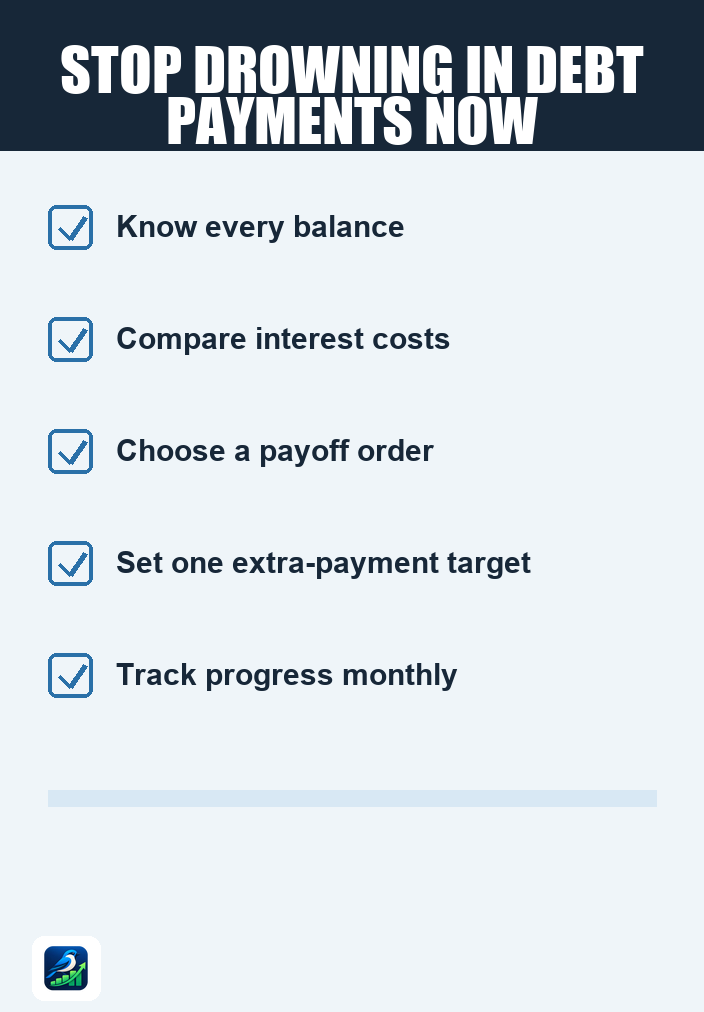
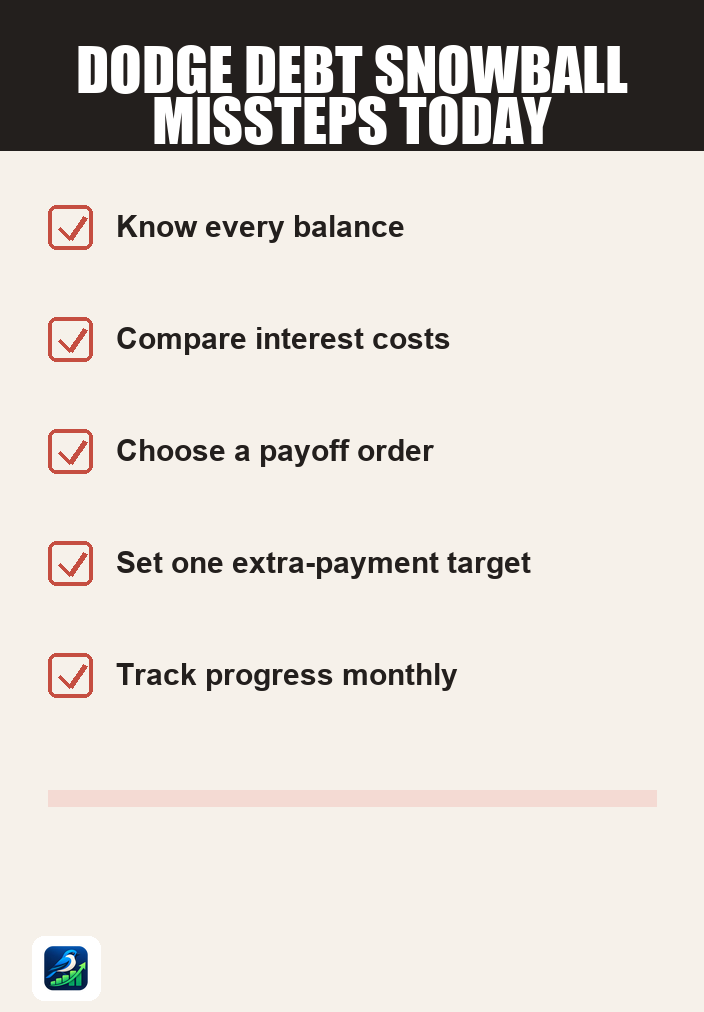
Creating a debt payoff plan is a significant first step toward financial stability. Follow the checklist above to organize your finances, budget effectively, and choose a suitable strategy for your situation. Don’t hesitate to seek professional help if you’re feeling overwhelmed. Remember, every small step you take brings you closer to a debt-free future.