
Understanding the Key Concerns When Selecting a Debt Relief Company
Choosing the right debt relief company can significantly impact your financial journey. With numerous options available, each with its own promises and pitfalls, it’s essential to carefully consider several key concerns. This article will guide you through these concerns, helping you make a more informed decision.
1. Assess the Company’s Reputation and Credibility
Before engaging with any debt relief company, it’s crucial to investigate its reputation. Start by looking for customer reviews and testimonials. While individual experiences can vary, consistent negative feedback or reports of scams should be red flags. Here are some steps to consider:
- Check for Accreditations: Look for companies accredited by the Better Business Bureau (BBB) or other reputable organizations.
- Read Online Reviews: Websites that specialize in reviews can provide insight into other consumers’ experiences.
- Consult State Regulators: Some states require debt relief companies to be licensed. Verify if the company meets your state’s requirements.
2. Evaluate Services Offered
Debt relief services can vary widely, so understanding what each company offers is essential. Here are the main types of services you might encounter:
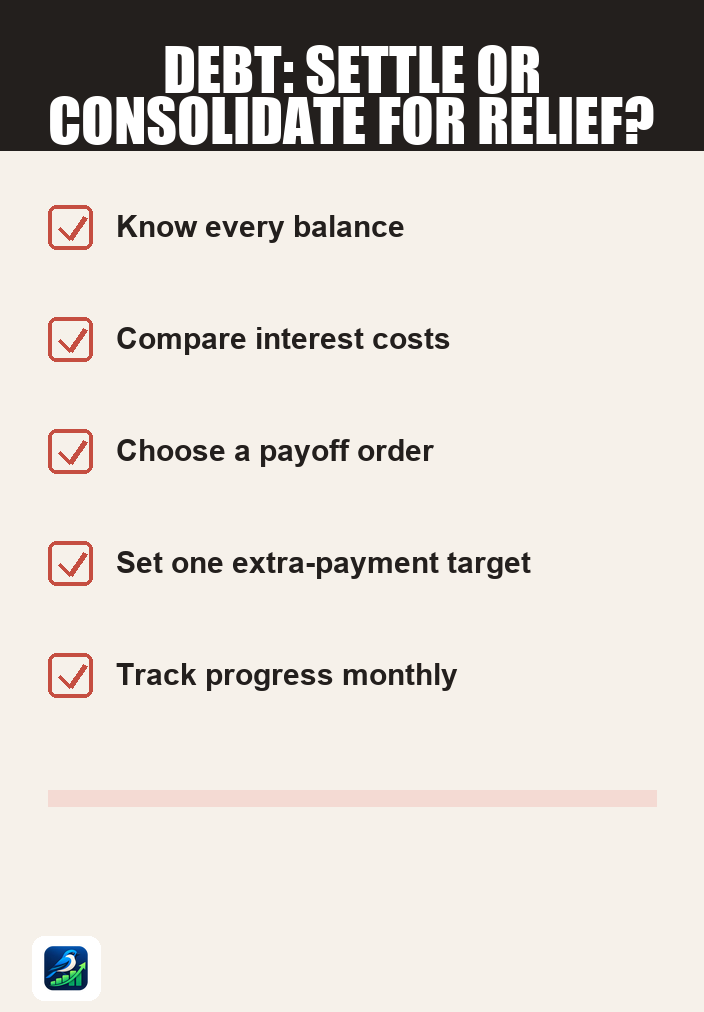
- Debt Settlement: This involves negotiating with creditors to settle debts for less than what you owe. While it can provide relief, it may also impact your credit score.
- Debt Consolidation: This combines multiple debts into one loan, ideally with a lower interest rate. It can simplify payments but may not reduce total debt.
- Debt Management Plans: These plans involve working with credit counseling agencies to create a structured repayment plan. They often negotiate lower interest rates with creditors.
- Bankruptcy Assistance: Some companies offer support navigating bankruptcy, which can be a last resort and have long-lasting effects on credit.
Ask potential companies about the specific services they provide, and ensure they align with your financial goals.
3. Understand Fees and Costs
Transparency regarding fees is crucial. Some companies may promote low initial costs but charge high fees later. Here’s how to navigate fees effectively:
- Request a Fee Schedule: A reputable company will provide a clear breakdown of all costs involved.
- Compare Costs: Don’t just go for the cheapest option. Understand what you’re getting for your money.
- Look for Upfront Fees: Be cautious of companies that require large upfront payments before any services are rendered.
4. Review Their Approach to Debt Relief
Different companies have various methods for handling debt relief. Understanding their approach can help you gauge whether they will be effective for your situation:
- Personalized Plans: Companies that offer tailored solutions based on your individual financial situation are often more effective.
- Transparency in Communication: Evaluate how well they communicate their process, including potential risks and timelines.
- Support Services: Consider whether they provide additional resources, such as financial education or budgeting assistance.
5. Be Aware of Legal and Regulatory Compliance
Debt relief companies must comply with federal and state regulations. Knowing these regulations can protect you as a consumer:
- Consumer Financial Protection Bureau (CFPB): Familiarize yourself with the protections provided by the CFPB, which oversees debt relief companies.
- State Laws: Each state has its own rules regarding debt relief practices. These can affect your rights and the company’s obligations.
If you feel overwhelmed by the legal jargon, seeking professional guidance can help clarify your obligations and rights.
6. Consider Potential Drawbacks
While debt relief can provide significant help, it’s not without downsides. Understanding these drawbacks can help you make informed decisions:
- Impact on Credit Score: Many debt relief methods can negatively affect your credit score, particularly debt settlement.
- Tax Implications: Forgiven debt may be considered taxable income. Consulting a tax professional about potential liabilities is wise.
- Long-Term Commitment: Some debt relief plans can take years to complete, requiring discipline and commitment.
7. Trust Your Instincts
Finally, trust your gut feeling. If something feels off—whether it’s the company’s communication style, their promises, or the pressure to sign up—take a step back. It’s vital to feel comfortable and confident in your chosen company.
Next Steps to Take
Now that you understand the key concerns when selecting a debt relief company, consider the following practical steps:
- Research multiple companies to compare services, fees, and reputations.
- Ask for detailed plans and proposals before committing to a service.
- Consult with a financial advisor or a nonprofit credit counseling service for additional guidance.
By addressing these concerns and taking informed steps, you can navigate the debt relief landscape more effectively and find a solution that aligns with your financial goals.