Understanding Debt Relief Consultations: In-Person vs. Virtual Approaches
When dealing with consumer debt, seeking professional guidance can be a crucial step toward regaining control of your finances. However, the method of consultation—whether in-person or virtual—can significantly impact your preparation and overall experience. Both approaches offer unique advantages and trade-offs, and understanding these can help you make an informed choice that aligns with your needs.
In-Person Consultations: The Benefits and Challenges
Meeting face-to-face with a debt relief consultant offers several distinct advantages:
- Personal Interaction: Many people find comfort in direct communication. Non-verbal cues, such as body language and facial expressions, can enhance understanding and trust.
- Focused Environment: In-person meetings tend to minimize distractions, allowing for a more focused discussion about your financial situation.
- Immediate Clarifications: If you have questions or concerns during the consultation, you can ask them immediately and receive real-time responses.
However, there are also challenges associated with in-person consultations:
- Time and Travel: Depending on your location, getting to a physical office may take time, which can be inconvenient or impractical.
- Scheduling Conflicts: Meeting times may be limited, making it harder to find an appointment that fits your schedule.
- Potential Costs: Some in-person services may charge higher fees due to overhead costs associated with maintaining a physical location.
Virtual Consultations: The Advantages and Limitations
On the other hand, virtual consultations have gained popularity, particularly in recent years. Here are some benefits:
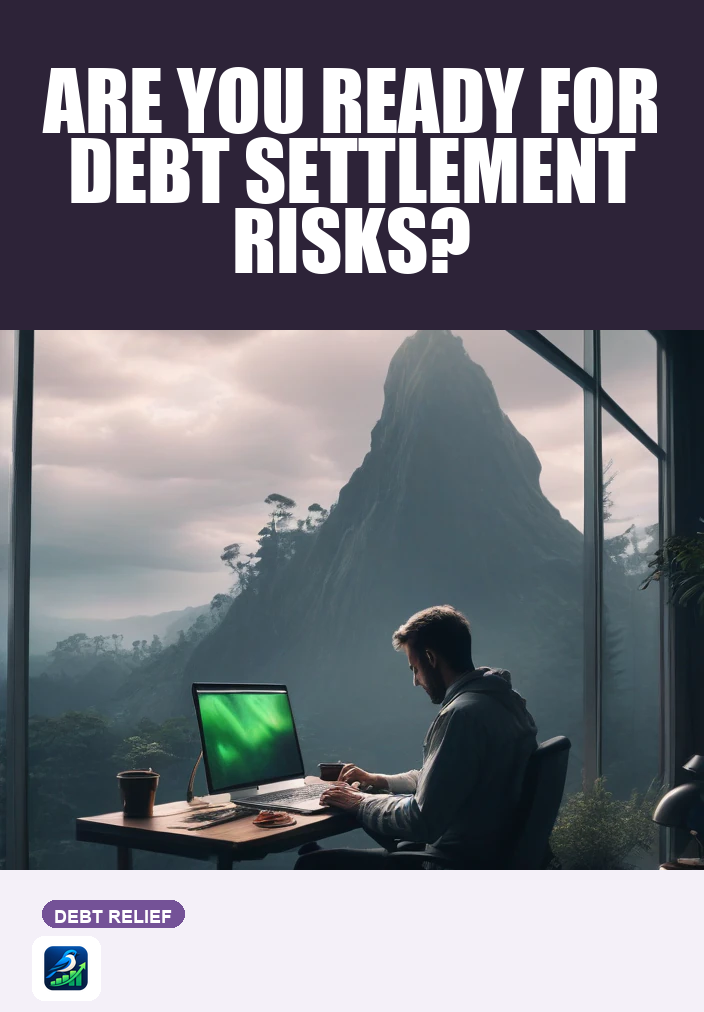
- Convenience: You can meet with a consultant from the comfort of your home, eliminating travel time and making it easier to fit into your schedule.
- Wider Access: Virtual consultations allow you to connect with professionals who may not be located in your immediate area, giving you access to a broader range of expertise.
- Cost-Effectiveness: Some virtual services may come with lower fees as there are fewer overhead costs compared to in-person offices.
Despite these benefits, virtual consultations also come with certain limitations:
- Technical Issues: Internet connectivity problems or software glitches can disrupt communication and hinder the consultation experience.
- Lack of Personal Touch: Virtual meetings can sometimes feel impersonal, making it harder to build rapport with your consultant.
- Distractions: While you may be comfortable at home, it can also be an environment filled with distractions that may interfere with your focus.
Preparation Strategies for Both Consultation Types
No matter which consultation type you choose, proper preparation can enhance your experience. Here are strategies tailored to both in-person and virtual consultations:
Preparation for In-Person Consultations
- Gather Documents: Bring relevant financial documents, including income statements, debt statements, and any correspondence with creditors. Having these on hand will facilitate a more productive discussion.
- Prepare Questions: Write down any questions or topics you want to discuss. This ensures you cover all aspects of your financial situation during the meeting.
- Plan Your Travel: Consider your route and travel time to avoid being late. Aim to arrive early to mentally prepare for the meeting.
Preparation for Virtual Consultations
- Test Technology: Ensure your device, camera, and microphone are working properly before the meeting. Familiarize yourself with the platform being used for the consultation.
- Set the Scene: Choose a quiet, well-lit space for the consultation. Minimize distractions by turning off notifications on your devices.
- Have Documents Ready: Keep your financial documents accessible during the consultation for easy reference.
Making the Right Choice for Your Needs
Choosing between an in-person and virtual debt relief consultation depends on your personal preferences and circumstances. Consider the following factors:
- Comfort Level: If you feel more at ease communicating face-to-face, an in-person meeting may suit you better. However, if convenience is a priority, virtual consultations are likely more appealing.
- Geographic Location: If you live in a remote area, virtual consultations may offer access to a wider range of professionals.
- Health Considerations: In light of ongoing health concerns, virtual consultations can provide a safe alternative without compromising quality.
Conclusion and Next Steps
Both in-person and virtual debt relief consultations have their own sets of benefits and challenges. The right choice ultimately depends on your personal preferences, situation, and comfort level. Regardless of the route you choose, thorough preparation can significantly enhance the effectiveness of your consultation.
As a next step, evaluate your preferences and circumstances, gather the necessary documentation, and prepare your questions. This proactive approach will help you make the most of your debt relief consultation, setting you on a path toward better financial management.