
Understanding Your Financial Landscape
Graduating from college often comes with a sense of accomplishment and excitement about the future. However, it can also lead to the daunting reality of student loans and other debts. Many graduates find themselves at a crossroads, facing the decision of whether to stick with minimum payments on their debts or seek debt relief options. Understanding these choices is crucial for managing your financial health.
Minimum Payments: The Safe Route?
Making minimum payments on your debts can feel like a safe, manageable option. This approach allows you to keep your accounts in good standing and avoid late fees. However, there are several important factors to consider:
- Interest Accumulation: When you only pay the minimum, most of your payment goes toward interest rather than the principal. This means your debt could take much longer to pay off than if you made larger payments.
- Long-Term Costs: The longer you carry debt, the more interest you’ll pay overall. For example, if you have a $10,000 balance at a high-interest rate, sticking to minimum payments could result in thousands of dollars in interest over the life of the loan.
- Financial Flexibility: While minimum payments might provide short-term relief, they can limit your financial flexibility in the long run. With a significant portion of your income going to debt, you may struggle to save for emergencies or invest in future opportunities.
Exploring Debt Relief Options
Debt relief can come in various forms, and each option has its own set of trade-offs. Here’s a breakdown of some common strategies:
Debt Consolidation
This strategy involves combining multiple debts into a single loan, ideally with a lower interest rate. This can simplify payments and potentially reduce monthly obligations. However, it’s essential to consider:
- Eligibility requirements, which can vary based on credit scores.
- The potential for extending your repayment period, which could increase the total interest paid.
- Fees associated with taking out a new loan, which could negate some of the interest savings.
Debt Management Plans (DMP)
A DMP is often facilitated by credit counseling agencies. They negotiate with creditors to lower interest rates and create an affordable monthly payment plan. Key points include:
- DMPs can help you avoid bankruptcy and improve your credit score over time.
- Participants may need to close credit card accounts, which can limit access to credit in emergencies.
- These plans typically take 3-5 years to complete, requiring a long-term commitment.
Debt Settlement
Debt settlement involves negotiating with creditors to pay a lump sum that is less than the total owed. While this option can significantly reduce debt, it comes with significant risks:
- Your credit score may suffer due to missed payments leading up to the settlement.
- Creditors may not agree to settle, and you could end up in a worse position if they pursue legal action.
- Tax implications on forgiven debt may arise, as the IRS may consider forgiven debt as taxable income.
Bankruptcy
Bankruptcy should be viewed as a last resort. It can provide a fresh start for some, but it also comes with long-lasting consequences:
- Bankruptcy remains on your credit report for 7-10 years, affecting your ability to obtain new credit.
- Not all debts are dischargeable, and you may have to repay some obligations.
- The process can be complex and typically requires legal assistance, which adds to the cost.
Assessing Your Situation
Choosing between minimum payments and debt relief comes down to assessing your personal financial situation. Consider the following steps:
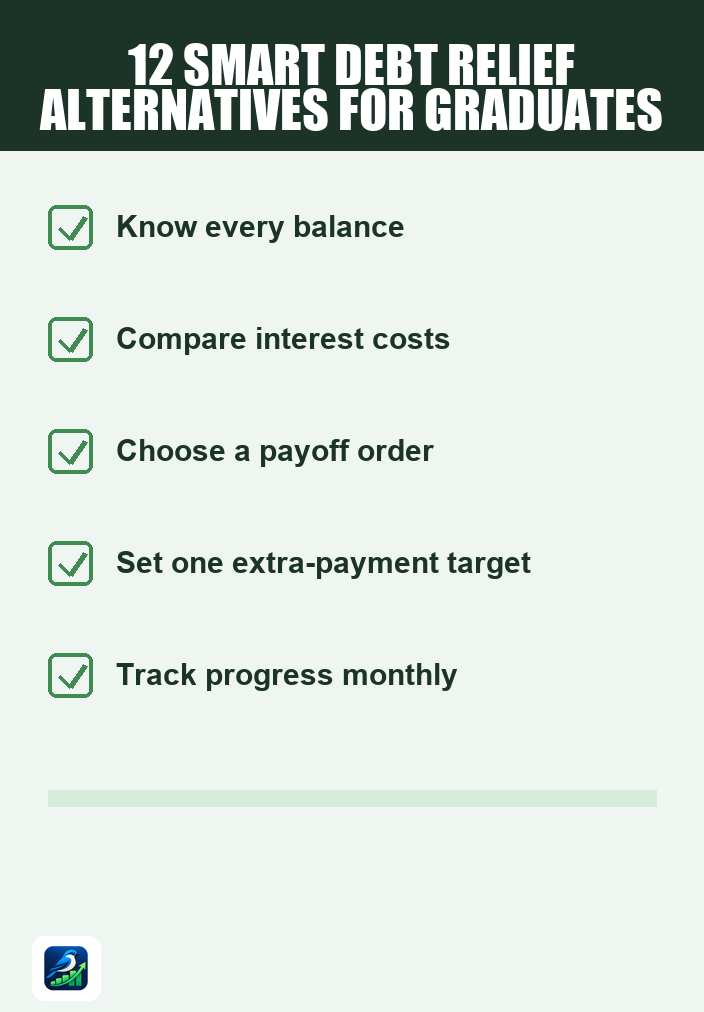
- Evaluate Your Debts: List all debts, including balances, interest rates, and monthly payments. This will give you a clear picture of what you owe.
- Calculate Your Budget: Determine your monthly income and expenses. Identify how much you can realistically allocate toward debt repayment each month.
- Consider Your Goals: Think about your short-term and long-term financial goals. Are you looking to save for a house, start a family, or travel? Understanding your priorities can help guide your decision.
- Research Options: Look into the various debt relief options discussed. Take note of the pros and cons of each to see what aligns best with your situation.
- Consult Professionals: If you’re feeling overwhelmed, consider speaking with a financial advisor or credit counselor. They can provide personalized insight into your options.
Next Steps
Deciding between minimum payments and pursuing debt relief can be challenging, but you’re not alone. Start by taking a closer look at your finances and exploring the various options available to you. Whether you choose to stick with minimum payments or seek relief, staying informed and proactive will help you make the best decision for your financial future.



















