
Understanding Common Mistakes in Debt Repayment and Savings
Managing debt while trying to save money can be a tricky balancing act. Many individuals find themselves overwhelmed by the pressures of monthly payments and financial obligations. While the goal is simple—pay off debt and build savings—the path can be fraught with common pitfalls. This article aims to highlight these mistakes and provide practical advice to help you make informed decisions.
Prioritizing Debt Payments Without a Plan
One major mistake many individuals make is paying off debts without a clear strategy. While it’s commendable to want to pay off debts, doing so haphazardly can lead to missed opportunities and increased financial strain.
Developing a Debt Repayment Plan
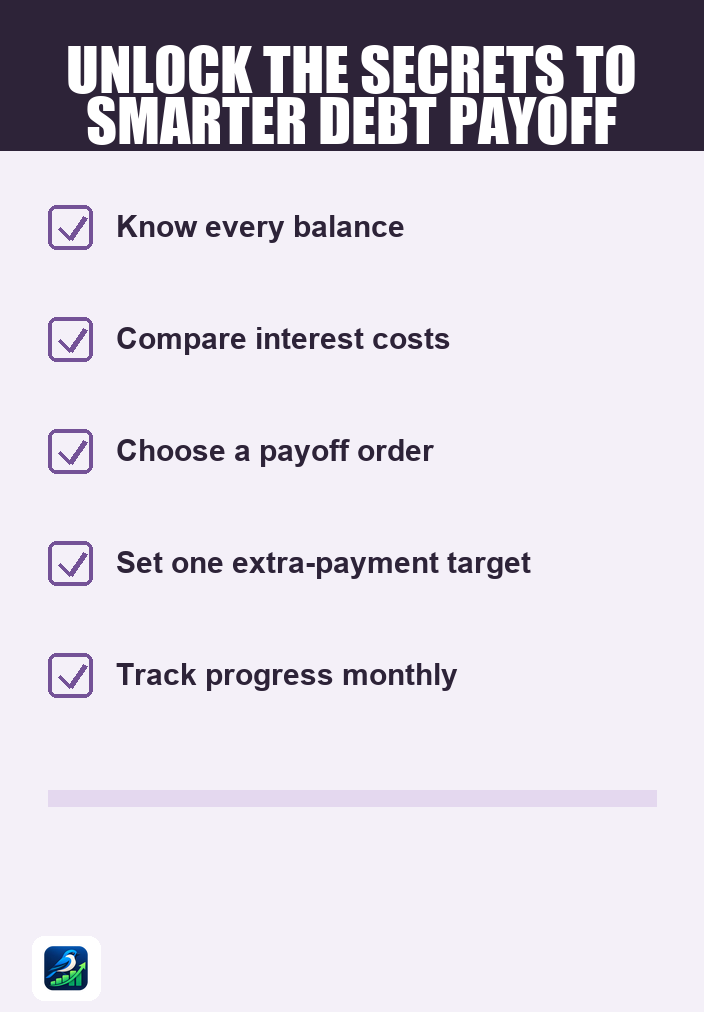
Start by listing all your debts, including the outstanding balances, interest rates, and minimum monthly payments. Once you have a complete picture, consider these two common strategies:
- The Snowball Method: Focus on paying off your smallest debt first while making minimum payments on larger debts. Once the smallest debt is paid off, move to the next smallest. This method can provide psychological benefits as you see debts eliminated more quickly.
- The Avalanche Method: Pay off debts with the highest interest rates first. This can save you money in interest payments over time, though it may take longer to see debts eliminated.
Whichever method you choose, ensure you consistently track your progress and adjust your plan as necessary.
Ignoring the Importance of an Emergency Fund
A common misconception is that all available funds should go toward debt repayment. While reducing debt is essential, neglecting to build an emergency fund can lead to future financial difficulties.
Building Your Emergency Fund
An emergency fund acts as a financial safety net, allowing you to cover unexpected expenses without resorting to credit. Aim to save at least three to six months’ worth of living expenses. Here’s how to get started:
- Determine your monthly expenses, including rent, utilities, groceries, and transportation.
- Set a realistic savings goal based on these expenses.
- Open a separate savings account to avoid the temptation of spending the funds.
- Automate your savings by setting up regular transfers to this account.
Having this cushion can prevent you from falling back into debt when unexpected costs arise.
Overlooking the Details of Debt Consolidation
Debt consolidation can be an appealing option for those looking to simplify their payments. However, it’s essential to understand the potential drawbacks and to know when it might be appropriate.
Understanding Debt Consolidation
Debt consolidation involves combining multiple debts into a single payment, typically at a lower interest rate. While this can make payments more manageable, consider the following:
- Fees and Costs: Some consolidation loans come with fees that can negate the benefits of lower interest rates.
- Potential for More Debt: Consolidating your debts may free up credit lines, which could lead to accumulating more debt if spending habits don’t change.
- Longer Repayment Terms: While monthly payments may decrease, extending the loan term can increase the total amount paid over time.
Before consolidating, evaluate whether it aligns with your overall financial goals.
Falling for Debt Settlement Misconceptions
Debt settlement is often touted as a quick way to resolve financial issues, but it’s not a one-size-fits-all solution. Understanding its implications is critical.
When Debt Settlement Might Be Appropriate
Debt settlement involves negotiating with creditors to pay a lump sum that is less than the total owed. While it can reduce the total debt, consider these factors:
- Credit Impact: Settling debts can significantly impact your credit score and remain on your credit report for several years.
- Tax Consequences: The IRS may consider forgiven debt as taxable income, which could result in a tax bill.
- Not Guaranteed: There’s no guarantee that creditors will agree to settle, and you may end up facing lawsuits instead.
Consulting with a financial advisor can help you understand whether this option makes sense in your situation.
Neglecting Budgeting and Spending Habits
Creating a budget is often overlooked when focusing solely on debt repayment. Without a clear understanding of your income and expenses, it’s challenging to make informed financial decisions.
Creating an Effective Budget
Here are steps to create a practical budget:
- Track your income to understand how much money you have coming in each month.
- List all expenses, categorizing them as fixed (rent, utilities) and variable (groceries, entertainment).
- Identify areas where you can cut back, especially on non-essential expenses.
- Allocate funds toward debt repayment and savings based on your priorities.
Regularly review your budget to adjust for any changes in income or expenses.
Not Seeking Professional Guidance When Needed
Many individuals struggle alone, fearing the stigma of financial difficulties. However, seeking professional help can provide clarity and direction.
When to Consider Professional Help
Consider speaking with a financial advisor or credit counselor if:
- You feel overwhelmed by your debt.
- You’re unsure about the best debt repayment strategy for your situation.
- You’re considering options like debt settlement or bankruptcy.
Professional guidance can help you navigate complex financial landscapes and create a personalized plan for your needs.
Next Steps: Taking Control of Your Finances
Understanding and avoiding common mistakes is the first step toward effective debt management and saving. Here are your next steps:
- Assess your current financial situation by listing debts and expenses.
- Choose a debt repayment strategy that suits your needs.
- Start building an emergency fund alongside paying off debt.
- Create and adhere to a budget to control spending.
- Consider seeking professional advice if needed.
By taking these practical steps, you can gain control over your financial situation and work towards a debt-free future while building your savings.



















