
Understanding Sinking Funds and Debt Management
Managing debt while also saving for future expenses can feel like a juggling act. You want to pay off your debts, but you also need to prepare for unexpected costs. This is where sinking funds can play a crucial role. A sinking fund is a savings strategy that allows you to set aside money over time for specific future expenses. This article will explore how you can build these funds while managing your debt, without sacrificing essential expenses.
What Are Sinking Funds?
A sinking fund is a way to allocate money for a particular purpose, such as car repairs, vacation expenses, or holiday shopping. Instead of relying on credit cards or loans when these expenses arise, you save a little each month, which allows you to pay for these costs in cash. This strategy can help prevent further debt accumulation while you are working to pay off existing obligations.
Balancing Debt Payments and Savings
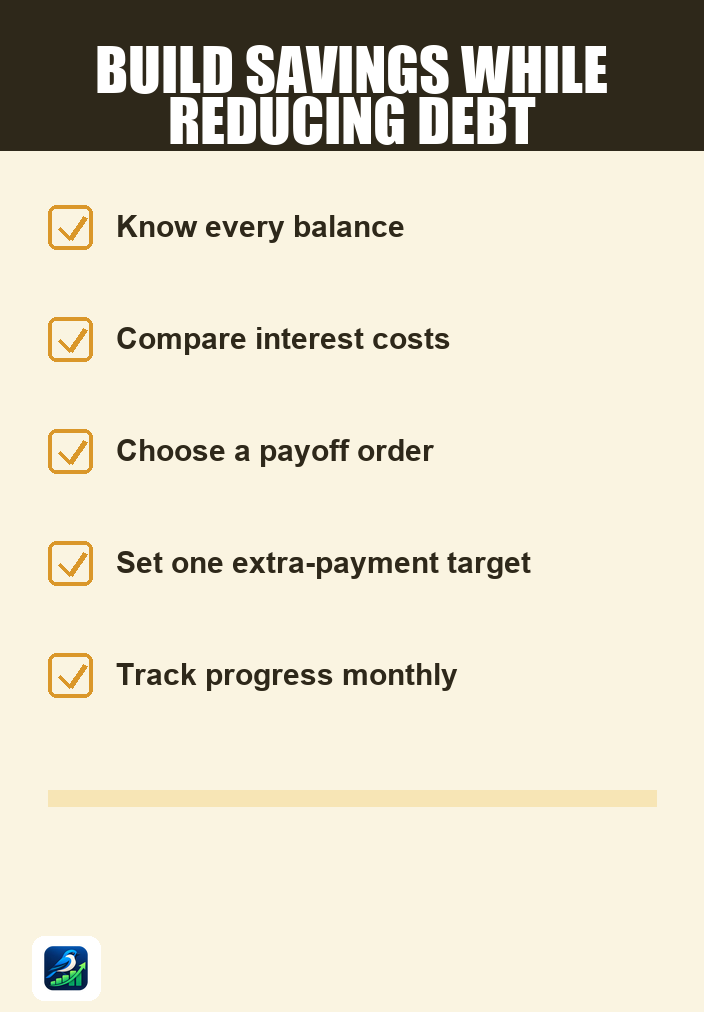
When you’re in debt, it’s important to strike a balance. Here are some steps to help you manage this process:
1. Assess Your Current Financial Situation
Start by reviewing your income, expenses, and debt obligations. Create a budget to track where your money goes each month. This will help you understand how much you can realistically allocate to both debt repayment and savings.
2. Prioritize Your Expenses
Identify your essential expenses, such as housing, utilities, groceries, and transportation. Make sure these are covered first. Then, look at your discretionary spending to see where you can cut back. This might include dining out less or reducing subscription services.
3. Determine Your Debt Repayment Strategy
Choose a debt repayment method that works best for you. Common strategies include:
- Debt Snowball: Pay off your smallest debts first to build momentum.
- Debt Avalanche: Focus on paying off debts with the highest interest rates first to save on interest payments.
Both methods have their benefits, so select one that aligns with your financial goals and motivations.
4. Start Your Sinking Fund
Once you have a clear picture of your finances, decide on the specific expenses you want to save for. Here are some common examples:
- Emergency repairs (e.g., car or home)
- Annual vacations
- Holiday gifts
Calculate how much you need for each expense and divide that amount by the number of months until the expense is due. This figure will be your monthly contribution to the sinking fund.
Strategies for Building Sinking Funds While Managing Debt
Combining debt repayment with savings can be challenging, but with the right strategies, it’s achievable. Here are some practical approaches:
1. Allocate a Percentage of Your Income
Consider setting aside a fixed percentage of your income for both debt repayment and sinking funds. For example, you might dedicate 20% of your take-home pay to debt repayment and 10% to your sinking fund. Adjust these percentages based on your priorities and financial situation.
2. Use Windfalls Wisely
Whenever you receive unexpected income, such as a tax refund, bonus, or gift, consider allocating a portion to your sinking fund. This can give you a boost in your savings without affecting your monthly budget.
3. Automate Your Savings
Set up automatic transfers from your checking account to your sinking fund. By automating this process, you ensure that you are consistently saving, which can make it easier to stick to your plan.
4. Periodically Review and Adjust
Life changes, and so do financial situations. Regularly review your budget and the effectiveness of your sinking fund strategy. If you find that you’re consistently overspending or not saving enough, adjust your contributions or spending habits accordingly.
Tradeoffs to Consider
While building sinking funds is a smart financial move, it’s important to recognize the tradeoffs involved:
- Reduced Cash Flow: Allocating money to savings means less cash is available for immediate spending or debt repayment.
- Opportunity Cost: Money saved in a sinking fund could potentially earn more if used to pay down high-interest debt.
- Savings Temptation: Having funds set aside may lead to the temptation to spend on non-essential items.
Weigh these tradeoffs carefully. Saving for specific expenses should not come at the expense of your ability to manage debt effectively.
Conclusion
Building sinking funds while paying off debt is not only possible but can also be a smart financial strategy. By assessing your situation, prioritizing expenses, and utilizing effective budgeting techniques, you can create a balanced approach that allows you to prepare for future costs without neglecting your current debt obligations.
Next Steps
To get started, create a budget today that outlines your income, expenses, and debt obligations. Identify specific sinking fund goals and determine how much you can allocate each month. Remember to review and adjust your plan as needed, ensuring you stay on track with both your savings and debt repayment efforts.



















