
Understanding Debt Settlement as a Financial Tool
If you’re navigating a tight budget, debt settlement might seem like a tempting option to manage your finances. But what exactly is debt settlement, and how can it help? In this article, we’ll explore the ins and outs of debt settlement, its potential benefits, and its drawbacks, helping you make an informed decision about whether it fits your financial situation.
What is Debt Settlement?
Debt settlement involves negotiating with creditors to reduce the total amount of debt you owe. Instead of making full payments, you or a debt settlement company propose a lump-sum payment that is less than the total owed. If the creditor agrees, they forgive the remaining balance. This approach can be particularly appealing for those struggling to keep up with payments, but it’s crucial to understand how it works.
How Debt Settlement Works
Here’s a step-by-step breakdown of how debt settlement typically works:
- Assessment: Review your debts and financial situation to determine if debt settlement is a viable option.
- Negotiation: Contact your creditors directly or work with a debt settlement company to negotiate a lower settlement amount.
- Payment: If an agreement is reached, you’ll make a lump-sum payment to settle the debt.
- Confirmation: Ensure you receive written confirmation that the debt has been settled.
Benefits of Debt Settlement
Debt settlement can offer several advantages, especially for individuals on a tight budget:
- Reduced Debt Amount: You may pay less than what you initially owed, which can help relieve financial pressure.
- Faster Resolution: Debt settlement can sometimes lead to quicker debt resolution compared to long-term repayment plans.
- Less Stress: Settling debts can provide peace of mind, knowing that you are working towards eliminating your financial burdens.
Potential Drawbacks of Debt Settlement
- Impact on Credit Score: Debt settlement can negatively affect your credit score. Settled debts may appear as “settled for less than owed,” which can signal to future lenders that you were unable to pay your debts in full.
- Fees: If you choose to work with a debt settlement company, be aware of potential fees that could eat into your savings.
- Tax Implications: The IRS may consider forgiven debt as taxable income, meaning you could owe taxes on the amount that was forgiven.
- Not Guaranteed: There’s no assurance that creditors will agree to a settlement, and some may refuse to negotiate.
Alternatives to Debt Settlement
If debt settlement doesn’t seem like the right fit for you, consider these alternatives:
- Debt Consolidation: This involves combining multiple debts into a single loan, often at a lower interest rate. This can simplify payments but doesn’t necessarily reduce the total amount owed.
- Debt Management Plans: Working with a credit counseling agency, you can create a structured plan to repay your debts over time, often with lower interest rates through negotiations.
- Bankruptcy: As a last resort, filing for bankruptcy can provide relief from debts, but it also has long-term effects on your credit and financial future.
Criteria for Considering Debt Settlement
Deciding whether debt settlement is right for you involves evaluating your financial situation. Here are some criteria to consider:
- Amount of Debt: If your debt is significant and unmanageable, settlement may be an option worth exploring.
- Income Stability: Ensure you have a stable income that allows for a lump-sum payment if a settlement is reached.
- Current Payment Status: If you’re already behind on payments, creditors may be more willing to negotiate.
- Future Financial Goals: Consider how debt settlement aligns with your long-term financial objectives.
Making the Decision
Before diving into debt settlement, take the time to gather all necessary information about your debts, income, and financial goals. Here are some steps to follow:
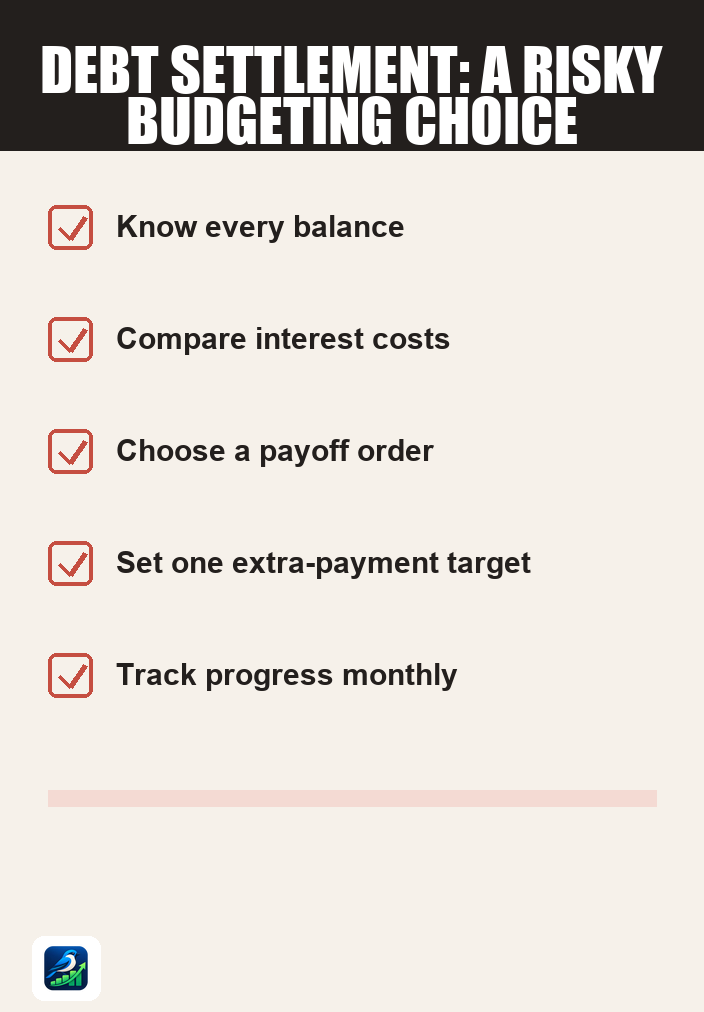
- Organize Your Financial Information: List your debts, interest rates, and monthly payments. This will help you assess your overall situation.
- Consult with a Professional: Consider speaking with a financial advisor or credit counselor to explore your options and assess whether debt settlement is appropriate.
- Research Debt Settlement Companies: If you choose to work with a company, research their reputation and fees. Look for reviews and ensure they are transparent about their processes.
- Negotiate Wisely: If you proceed with debt settlement, be prepared to negotiate firmly but fairly with creditors.
Next Steps
Debt settlement can be a viable option for managing debt on a tight budget, but it’s essential to weigh the pros and cons carefully. Consider alternatives, assess your financial situation clearly, and consult professionals if needed. By taking informed steps, you can navigate your financial challenges with greater confidence.



















