Understanding the Relationship Between Debt and a Tight Budget
Managing debt while living on a tight budget can feel overwhelming. However, it is possible to effectively pay off what you owe without sacrificing your essential needs. The key is to create a structured plan that allows you to reduce debt while also meeting your day-to-day expenses.
Evaluate Your Current Financial Situation
The first step in paying off debt on a tight budget is to conduct a thorough evaluation of your current financial situation. This involves gathering information on your income, expenses, and debts.
Gathering Your Financial Information
- Income: Document all sources of income, including salary, side jobs, or any passive income.
- Expenses: List all monthly expenses, separating them into fixed (rent, utilities) and variable (groceries, entertainment) categories.
- Debt: Compile a list of all debts, including the creditor’s name, total amount owed, interest rates, and minimum monthly payments.
Once you have this information, you’ll have a clearer picture of where your money goes each month and how much excess income is available for debt repayment.
Creating a Realistic Budget
With a clear understanding of your finances, the next step is to create a budget that accommodates both your living expenses and debt repayment. A well-structured budget can help you prioritize where your money should go.
Steps to Create a Budget
- Set Your Financial Goals: Determine how quickly you want to pay off your debt. Choose a timeline that feels realistic within your budget constraints.
- Use the 50/30/20 Rule: Allocate 50% of your income to needs, 30% to wants, and 20% to savings and debt repayment. Adjust as necessary based on your situation.
- Track Your Spending: Use budgeting tools or apps to monitor your spending against your budget. Identify areas where you can cut back to free up more money for debt repayment.
Budgeting is not just about restriction; it’s about making informed choices that align with your financial goals.
Debt Repayment Strategies on a Tight Budget
Once you have a budget in place, consider which debt repayment strategy fits best with your financial situation. Here are a few common methods:
The Snowball Method
This method involves paying off your smallest debts first. The idea is that paying off smaller debts provides psychological momentum, making you more motivated to tackle larger debts.
The Avalanche Method
With this strategy, you focus on paying off debts with the highest interest rates first. This could save you more in interest payments over time, although it may take longer to see progress on individual debts.
Balancing Both Approaches
Some individuals choose to blend both methods. For example, you might pay the minimum on larger debts while aggressively tackling smaller ones, then shift focus once those are paid off.
Exploring Debt Relief Options
In some cases, a structured debt relief option may help you manage your debts more effectively. Here are a few common strategies:
Debt Consolidation
This involves combining multiple debts into a single loan with a potentially lower interest rate. While this can simplify payments, it’s important to carefully consider the terms and fees involved.
Debt Management Plans
Working with a credit counseling agency can help you create a debt management plan (DMP). This typically involves negotiating lower interest rates or fees with creditors, but it may also require closing credit accounts.
Debt Settlement
This option involves negotiating with creditors to pay a reduced amount to settle your debt. While it can be effective, it may also negatively impact your credit score and isn’t suitable for everyone.
Bankruptcy
As a last resort, bankruptcy can provide a fresh start, but it has long-term financial and legal consequences. It’s crucial to consult a professional before pursuing this option.
Finding Extra Money to Pay Off Debt
Living on a tight budget means making tough choices, but there are ways to find extra funds for debt repayment:
Cutting Unnecessary Expenses
- Review subscriptions and memberships to identify those you can cancel.
- Limit dining out and find more cost-effective meal prep options.
- Look for sales or use coupons for groceries and household items.
Increasing Your Income
- Consider taking on a part-time job or gig work to boost your income.
- Sell unwanted items around your home for quick cash.
- Explore opportunities to monetize hobbies or skills, such as freelance writing or tutoring.
Stay Committed and Adjust as Necessary
Paying off debt on a tight budget requires commitment and flexibility. As your financial situation changes, be prepared to adjust your budget and repayment strategies accordingly. Regularly review your progress and celebrate milestones, no matter how small.
Next Steps for Tackling Debt
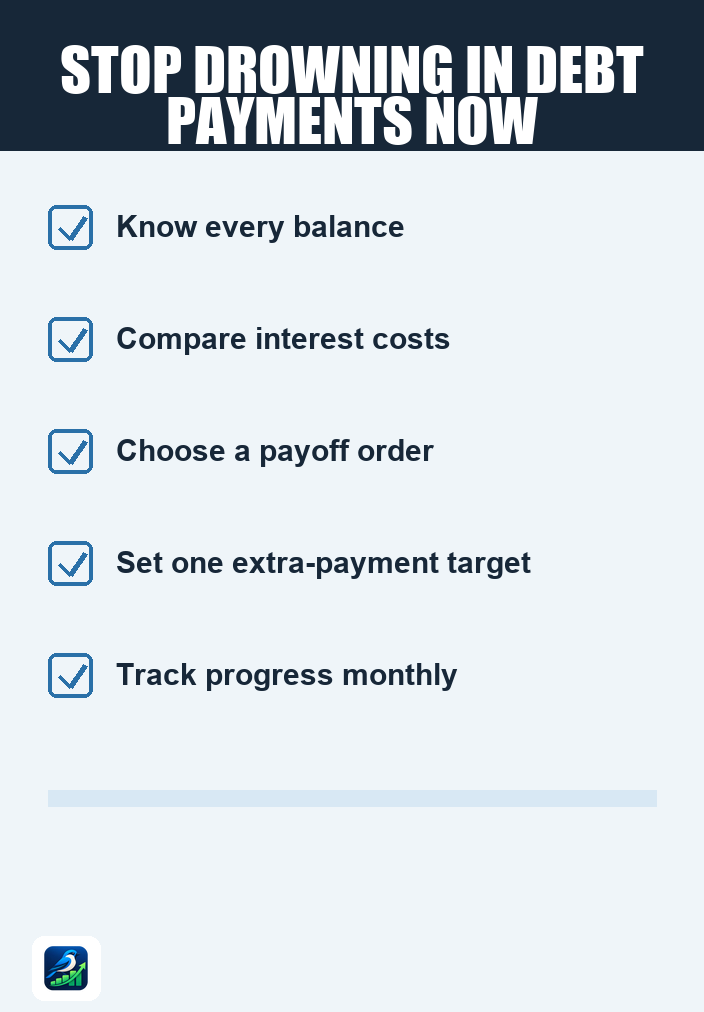
To effectively pay off debt while managing a tight budget, follow these steps:
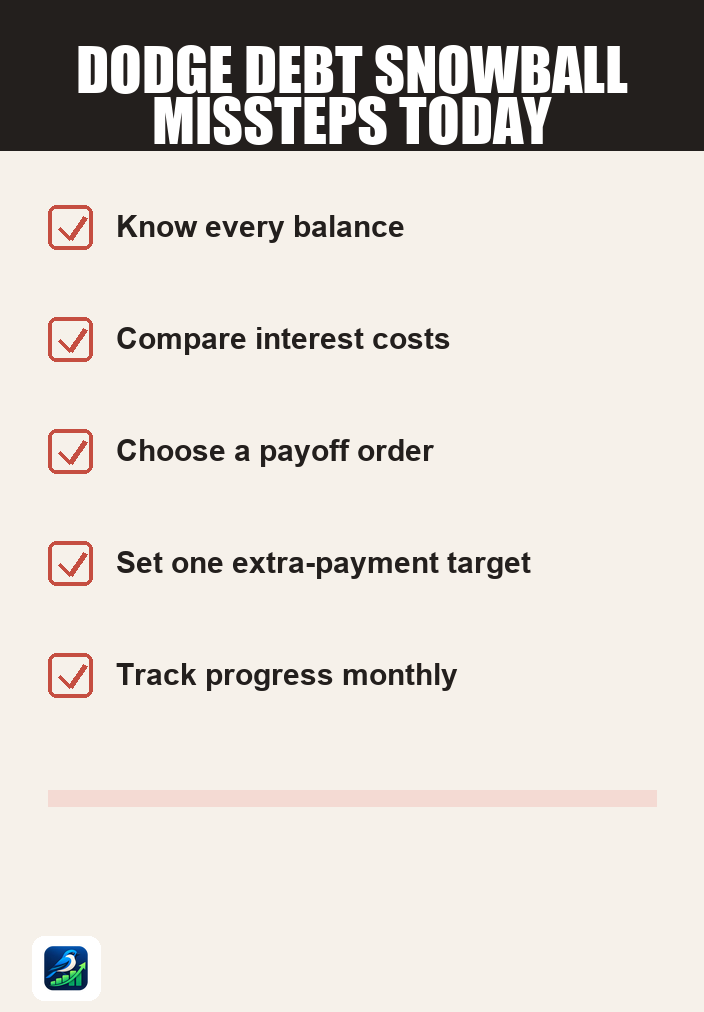
- Evaluate your financial situation to understand income, expenses, and debts.
- Create a realistic budget that prioritizes debt repayment.
- Choose a debt repayment strategy that aligns with your goals.
- Consider debt relief options if necessary, while being aware of the trade-offs.
- Identify ways to cut expenses and increase income to free up more funds for debt repayment.
By taking these actions, you can make meaningful progress toward debt freedom, even on a tight budget. Remember, it’s about finding balance and making informed choices that work for your unique financial situation.