
Understanding Your Options After Job Loss
Experiencing a job loss can be a challenging and stressful situation, especially when it comes to managing debt. If you find yourself in this position, you may be considering options like a balance transfer or a consolidation loan to help manage your financial obligations. Each option has its own advantages and drawbacks, and understanding these can help you make a more informed decision.
What is a Balance Transfer?
A balance transfer involves moving existing debt from one or more credit accounts to a new credit card that typically offers a lower interest rate, often as a promotional feature. This can help you save on interest payments and simplify your monthly payments by consolidating multiple debts into one.
Benefits of a Balance Transfer
- Potential for Lower Interest Rates: Many balance transfer credit cards offer a promotional 0% interest rate for a limited time.
- Simplified Payments: Consolidating multiple debts into a single payment can make managing your finances easier.
- Improved Cash Flow: Lower monthly payments during the promotional period can free up some cash for essential expenses.
Drawbacks of a Balance Transfer
- Fees: Balance transfers may come with fees, often around 3% to 5% of the transferred amount.
- Time Limits: The promotional interest rate is usually temporary, and you’ll need to pay off the balance before it increases to a higher rate.
- Credit Impact: Opening a new credit account can temporarily affect your credit score.
What is a Consolidation Loan?
A consolidation loan is a personal loan taken out to pay off multiple debts. This loan combines your debts into one single loan, ideally at a lower interest rate than what you’re currently paying. This can streamline your payments and potentially lower your overall monthly payment.
Benefits of a Consolidation Loan
- Fixed Monthly Payments: Unlike a variable interest credit card, a consolidation loan often has a fixed interest rate, providing predictable monthly payments.
- Lower Interest Rates: Depending on your creditworthiness, you may secure a lower rate than your existing debts.
- Longer Repayment Terms: Many consolidation loans offer longer repayment periods, which can reduce your monthly payment amount.
Drawbacks of a Consolidation Loan
- Possible Fees: Some lenders may charge origination fees or other costs associated with the loan.
- Longer Debt Commitment: Extending the repayment period may mean you pay more in interest over time.
- Credit Requirements: Qualifying for a favorable rate often depends on your credit score and financial history.
Key Considerations: Which Option is Right for You?
Deciding between a balance transfer and a consolidation loan involves weighing your current financial situation and your long-term goals. Here are some practical steps to help you make your choice:
1. Evaluate Your Debt
Assess the total amount of debt you have, the interest rates on each account, and your monthly payment obligations. This will give you a clearer picture of which option might save you more money.
2. Assess Your Credit Situation
Your credit score will significantly influence your options. A higher score can help you secure better terms on a balance transfer or a consolidation loan. If your credit score has been negatively impacted by your job loss, options may be limited.
3. Calculate Costs
Consider the total costs associated with each option. For a balance transfer, factor in the transfer fees and how long you expect to be able to pay off the debt at the promotional rate. For a consolidation loan, look at the interest rate, fees, and total repayment term.
4. Determine Your Payment Capacity
How much can you afford to pay monthly? If your cash flow is tight, a consolidation loan with lower monthly payments over a longer term may be more manageable. If you can handle higher payments, a balance transfer to a 0% APR card could allow you to pay off the debt faster.
5. Think About Your Financial Future
Consider how each option aligns with your long-term financial goals. Are you looking to rebuild your credit, or do you want to pay off your debt as quickly as possible? Your strategy may influence which option is better suited for you.
Alternatives to Balance Transfers and Consolidation Loans
While balance transfers and consolidation loans can be effective methods for managing debt, they are not the only options available. Here are a few alternatives to consider:
- Debt Management Plans: Working with a credit counseling service can help you create a plan to pay off your debts over time without taking on new loans.
- Debt Settlement: This involves negotiating with creditors to settle debts for less than what you owe. However, this can impact your credit and may not be suitable for everyone.
- Bankruptcy: As a last resort, filing for bankruptcy may provide relief from debts but comes with long-term consequences for your credit and financial future.
Next Steps to Take
After evaluating your situation and options, consider the following steps:
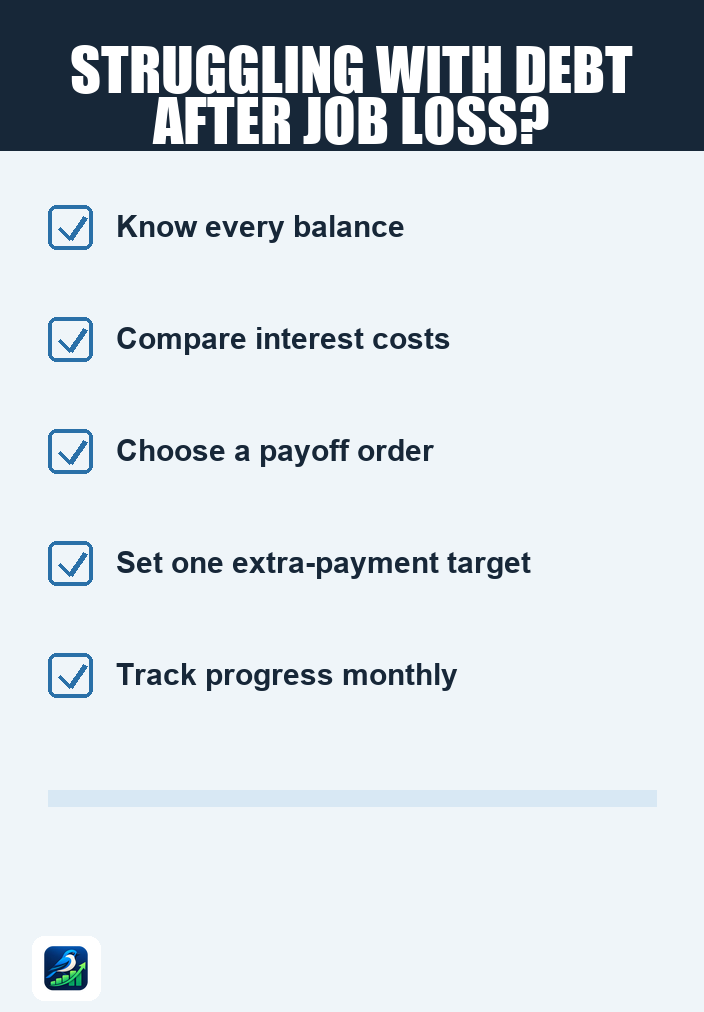
- Review your current debt and create a list of your outstanding balances and interest rates.
- Check your credit score and understand how it impacts your options.
- Compare offers for balance transfer cards and consolidation loans, paying special attention to terms and fees.
- Consult with a financial advisor or credit counselor if you need personalized guidance.
Choosing between a balance transfer and a consolidation loan after a job loss is a significant decision. By understanding your options and carefully assessing your situation, you can find a path that helps you regain control of your finances.



















