Understanding Common Mistakes in Credit Card Debt Payoff
Credit card debt can feel overwhelming, but knowing what pitfalls to avoid can make the journey to financial freedom smoother. Before diving into solutions, it’s vital to understand common mistakes that many people make when tackling their credit card debt. By steering clear of these errors, you can better position yourself for success.
Not Assessing Your Total Debt Situation
One of the first mistakes many make is not taking stock of their entire debt situation. It’s easy to focus on one or two credit cards, but neglecting to look at your total debt can lead to misguided decisions.
Steps to Take
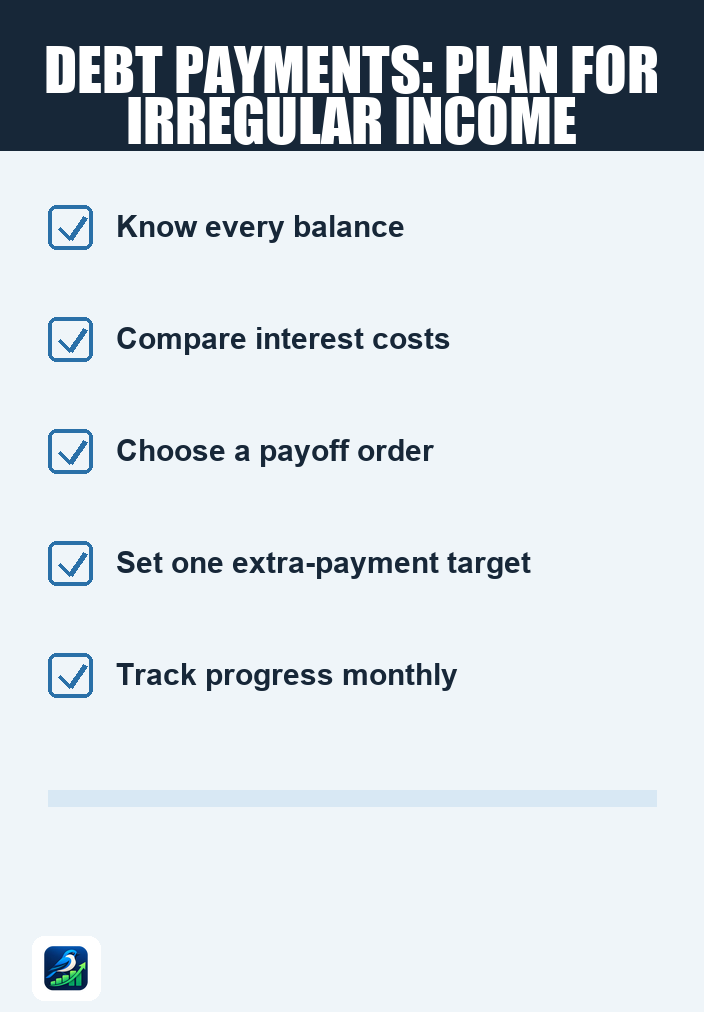
- List All Debts: Write down each credit card, along with the balance, interest rate, and minimum payment.
- Calculate Your Total Debt: Add up all balances to see the full picture.
- Review Your Budget: Understand your income and expenses to determine how much you can allocate toward debt repayment.
By having a clear understanding of your total debt, you can make informed decisions about which debts to prioritize.
Ignoring Interest Rates
Another common mistake is not paying attention to interest rates. If you have multiple credit cards with varying rates, focusing solely on the minimum payments can cost you significantly in the long run.
Smart Strategies
- Prioritize High-Interest Debt: Focus on paying off cards with the highest interest rates first while making minimum payments on others.
- Consider Balance Transfers: If possible, transfer high-interest balances to cards with lower rates, but be mindful of any fees.
Understanding and addressing interest rates can help you save money and pay off debt faster.
Neglecting to Create a Realistic Repayment Plan
Many people dive into repayment without a solid plan, which can lead to frustration and setbacks. Having a clear strategy is essential for staying on track.
Crafting Your Plan
- Set a Timeline: Determine how long you want to take to pay off your debt.
- Break it Down: Divide your total debt by the number of months in your timeline to find out how much you need to pay monthly.
- Adjust as Necessary: Be flexible and ready to change your plan based on your financial situation.
By having a structured repayment plan, you can avoid the common pitfall of feeling overwhelmed by your debt.
Underestimating Lifestyle Changes
Many people fail to realize that paying off debt requires changes to spending habits. Ignoring this can lead to falling back into the same cycle of debt.
Implementing Changes
- Track Your Spending: Use apps or spreadsheets to monitor where your money goes each month.
- Cut Unnecessary Expenses: Identify areas where you can cut back, such as dining out or subscriptions.
- Establish an Emergency Fund: Having savings can prevent you from relying on credit in case of unexpected expenses.
Making lifestyle changes is essential for long-term financial health and to ensure you don’t accumulate more debt.
Relying Solely on Minimum Payments
Paying only the minimum on your credit cards can keep you in debt for years. This mistake can be costly and prolong your financial struggles.
Understanding the Cost
For example, if you have a $5,000 balance on a card with a 20% interest rate and only make the minimum payment of $150, it could take you over 30 years to pay off that debt, costing you thousands in interest.
Instead, aim to pay more than the minimum whenever possible to reduce both your balance and the time it takes to pay off your debt.
Not Considering Professional Help
Finally, many people overlook the option of seeking professional help. Whether through credit counseling or debt management programs, experts can provide valuable assistance.
When to Seek Help
- Overwhelmed by Debt: If you feel lost or unsure about how to proceed.
- Need a Structured Plan: Professionals can help create a repayment schedule tailored to your situation.
- Struggling with Negotiations: If you find it challenging to communicate with creditors, a third party can assist.
Professional help can provide additional resources and guidance to help you navigate your debt more effectively.
Next Steps to Consider
As you work towards paying off your credit card debt, keep these mistakes in mind. Start by assessing your total debt situation and creating a realistic repayment plan that prioritizes high-interest debt. Don’t forget to make necessary lifestyle changes and consider seeking professional help if you feel overwhelmed.
Remember, the journey to financial freedom is a marathon, not a sprint. With careful planning and mindful spending, you can take control of your debt and build a healthier financial future.