
Understanding Debt Consolidation and Personal Loans
When dealing with credit card debt, many adults find themselves weighing the options of consolidating their debt versus taking out a personal loan. Both methods can help manage debt, but they operate differently and come with their own sets of advantages and disadvantages. This article will explore these two options, compare their potential savings, and help you determine which might be the better choice for your financial situation.
What is Debt Consolidation?
Debt consolidation refers to the process of combining multiple debts into a single loan or payment. This can simplify your financial life by reducing the number of payments you need to manage, and it may also help lower your overall interest rate if you qualify for a better rate than you currently have on your credit cards.
Methods of Debt Consolidation
- Balance Transfer Credit Cards: These cards allow you to transfer existing credit card balances to a new card, often with a lower interest rate or a promotional 0% APR for a limited time.
- Debt Consolidation Loans: These are personal loans specifically designed to pay off existing debts. You take out a new loan to pay off your credit card balances, leaving you with one loan payment.
- Home Equity Loans or Lines of Credit: If you own a home, you might consider using your home equity to consolidate debts, though this comes with risks as it puts your home on the line.
What is a Personal Loan?
A personal loan is an unsecured loan that individuals can borrow from a bank, credit union, or online lender. The amount borrowed is typically paid back in fixed monthly installments over a set term, and interest rates can vary based on creditworthiness and market conditions.
How Personal Loans Work
When you take out a personal loan, you receive a lump sum that you can use to pay off existing debts, including credit card balances. The loan is paid back over a specific period, usually ranging from two to seven years, with a fixed interest rate.
Comparing Savings: Debt Consolidation vs. Personal Loans
To determine which option offers better savings, consider several factors, including interest rates, fees, terms, and your individual financial situation.
Interest Rates
Interest rates are a significant factor in determining overall savings. Typically, personal loans may offer lower interest rates compared to credit cards, especially for those with good credit. However, balance transfer credit cards often provide promotional rates, which can be 0% for a limited time. If you can pay off your balance before the promotional period ends, you could save significantly.
Fees and Costs
When evaluating both options, be sure to consider any associated fees:
- Balance Transfer Fees: Many credit cards charge a fee (often 3% to 5%) for transferring balances, which can eat into your savings.
- Loan Origination Fees: Some personal loans come with origination fees that can range from 1% to 6% of the loan amount.
Understanding these fees and how they impact your total costs is crucial when making your decision.
Repayment Terms
Personal loans typically come with set repayment terms, which can make budgeting easier, as you’ll know exactly how much you owe each month. On the other hand, balance transfer credit cards may have variable repayment structures, especially once the promotional period ends, leading to potential increases in monthly payments if not managed carefully.
Pros and Cons of Each Option
Debt Consolidation
- Pros:
- Simplifies payments by combining multiple debts into one.
- Potentially lower interest rates, especially with balance transfers.
- Can improve credit utilization if credit card balances are paid down.
- Cons:
- Promotional rates may expire, leading to higher interest rates.
- Fees can reduce overall savings.
- If not managed properly, it may lead to increased debt.
Personal Loans
- Pros:
- Fixed monthly payments make budgeting straightforward.
- Generally lower interest rates compared to credit cards.
- Unsecured nature means no collateral is needed.
- Cons:
- Origination fees can add to overall costs.
- May not be available to those with poor credit.
- Longer repayment terms can lead to paying more in interest over time.
Making the Right Choice for You
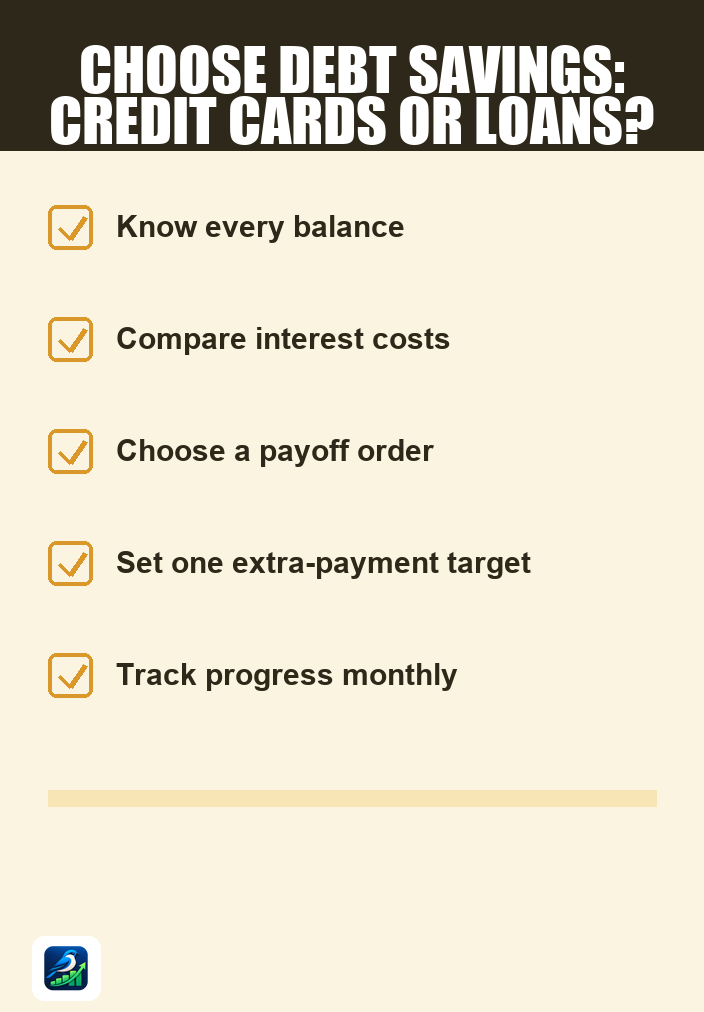
The choice between consolidating credit card debt and taking out a personal loan ultimately depends on your unique financial situation. Here are some steps to help you decide:
- Assess Your Current Debt: Make a list of your current debts, including interest rates and monthly payments.
- Calculate Potential Savings: Compare the total cost of consolidating your debts versus taking out a personal loan.
- Check Your Credit Score: Your creditworthiness will impact the interest rates and terms you can secure.
- Consider Your Ability to Repay: Ensure you have a plan in place to pay off your debt within the set term.
- Consult with a Financial Professional: If you’re unsure, seeking professional guidance can provide clarity and help you explore all your options.
Next Steps
Before making a decision, take the time to weigh all your options carefully. Understand the terms, fees, and potential savings associated with both debt consolidation and personal loans. Remember, there’s no one-size-fits-all solution. Choose the path that best aligns with your financial goals and abilities.



















