
Understanding Your Debt Situation
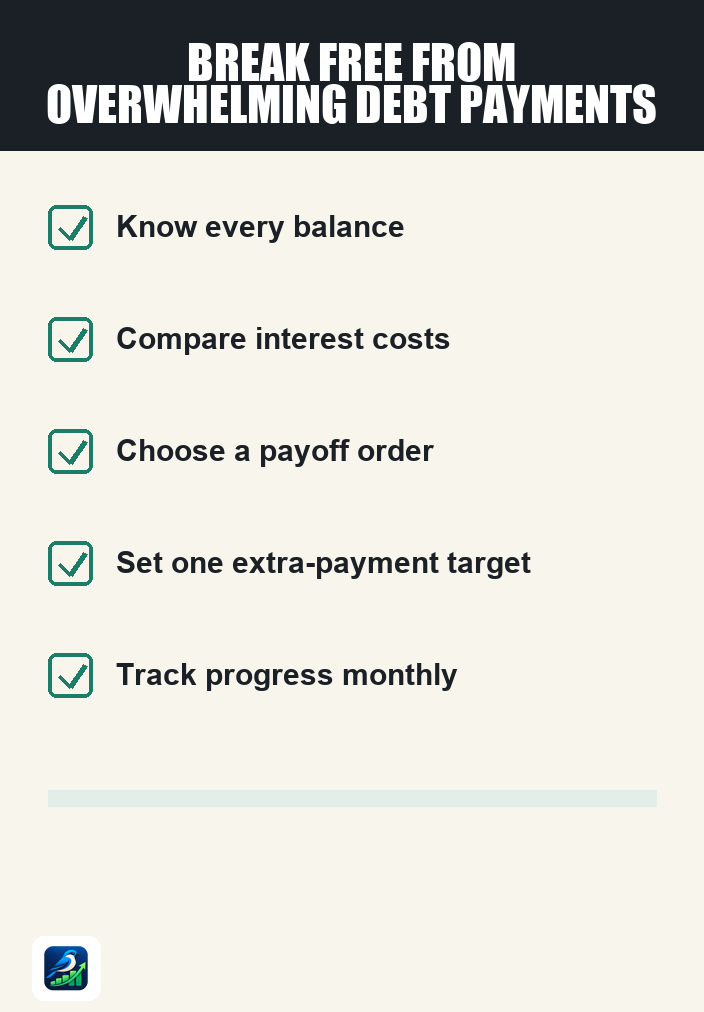
Before you can create a personalized monthly debt payoff plan, you need to understand the full scope of your debt. Start by gathering all your debt statements, including credit cards, personal loans, medical bills, and any other obligations. Write down the following for each debt:
- Creditor name
- Total balance owed
- Minimum monthly payment
- Interest rate (if applicable)
- Due date
Once you have this information compiled, you’ll have a clearer picture of your financial obligations. This is the first step in crafting a plan that works for you.
Setting Your Financial Priorities
Next, determine your financial priorities. Consider the following factors:
- Interest Rates: High-interest debts, such as credit cards, should generally be prioritized as they can grow quickly.
- Minimum Payments: Ensure you can cover all minimum payments to avoid late fees and negative impacts on your credit score.
- Emotionally Charged Debts: Sometimes, paying off a smaller debt can provide a psychological boost, helping you feel more in control.
Rank your debts based on these factors to help guide your payment strategy.
Choosing a Debt Payment Strategy
There are several debt repayment strategies you can choose from, each with its own advantages and disadvantages. Here are three popular methods:
1. Debt Snowball Method
This method involves paying off your smallest debts first while making minimum payments on larger debts. The idea is to build momentum as you pay off each balance. Once a debt is paid off, you roll that payment amount into the next smallest debt.
2. Debt Avalanche Method
In contrast, the avalanche method focuses on paying off debts with the highest interest rates first. This can save you more money in interest payments over time. Like the snowball method, you make minimum payments on all other debts while focusing extra payments on the highest-interest debt.
3. Debt Consolidation
Debt consolidation involves combining multiple debts into a single loan, ideally with a lower interest rate. This can simplify payments but may come with fees or extended payment terms. Be cautious, as consolidation doesn’t eliminate debt—it just changes its form.
Creating Your Monthly Budget
Now that you understand your debts and have chosen a repayment strategy, it’s time to create a monthly budget. Follow these steps:
- Determine Your Income: Calculate your total monthly income, including salary, side gigs, and any other sources.
- List Your Monthly Expenses: Include fixed expenses (rent, utilities) and variable expenses (groceries, entertainment).
- Identify the Debt Payment Amount: Based on your chosen strategy, allocate a portion of your income to debt repayment. Ensure this amount covers at least the minimum payments on all debts.
- Adjust as Necessary: If your expenses exceed your income, look for areas to cut back. Redirect any savings toward your debt repayment.
Staying on Track with Your Debt Payoff Plan
Creating a plan is just the beginning; staying committed is crucial. Here are tips to help you remain on track:
- Automate Payments: Set up automatic payments for minimum amounts to avoid late fees.
- Track Your Progress: Regularly review your debt balances. Seeing progress can motivate you to stick to your plan.
- Adjust Your Plan If Needed: If you experience a change in income or unexpected expenses, don’t hesitate to adjust your plan. Flexibility can help you stay committed.
Exploring Alternatives for Debt Relief
If your situation becomes overwhelming, you might consider alternatives like debt management plans, debt settlement, or even bankruptcy. Here’s a brief overview of each:
Debt Management Plans
These plans involve working with a credit counseling agency to create a structured repayment plan. They may negotiate lower interest rates or fees with creditors on your behalf. However, this often requires a commitment to monthly payments for an extended period.
Debt Settlement
Debt settlement entails negotiating with creditors to accept a lower amount than what you owe. This can be risky, as it can adversely affect your credit score and might incur tax liabilities on forgiven debt. It’s not always an appropriate option for everyone.
Bankruptcy
Bankruptcy is a legal process that can help discharge certain debts but comes with significant long-term consequences for your credit. It is generally a last resort and should be discussed with a qualified legal professional.
Practical Next Steps
To begin your journey toward financial stability, take these practical next steps:
- Gather your debt information and create a comprehensive list.
- Choose a debt repayment strategy that resonates with your financial situation.
- Create a monthly budget that prioritizes debt repayment.
- Stay disciplined and track your progress regularly.
- Consider professional guidance if your debt situation becomes overwhelming.
Remember, crafting a personalized debt payoff plan requires patience and persistence. By taking control of your finances and following through on your plan, you can reduce your financial stress and work toward a more secure future.



















