
Understanding Unexpected Expenses in Debt Management
Unexpected expenses can occur anytime, and they often complicate the journey of paying off debt. Whether it’s a medical bill, car repair, or home maintenance issue, these unforeseen costs can throw a wrench in even the most carefully planned budgets. However, with a bit of creativity and strategic thinking, you can manage these expenses without derailing your debt repayment efforts.
Assessing Your Financial Situation
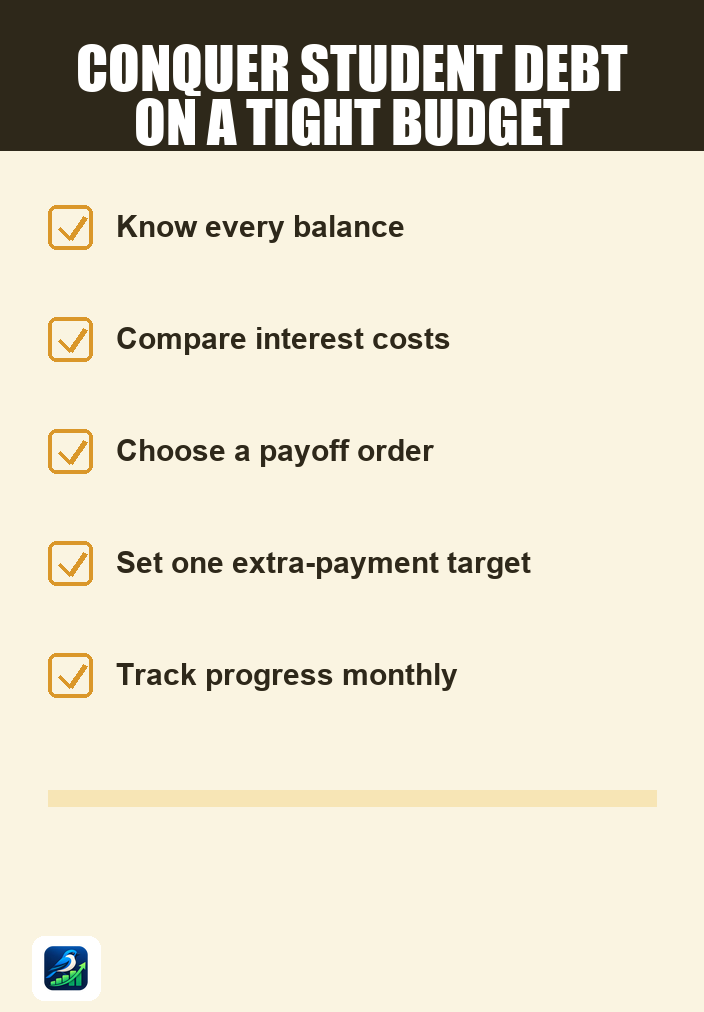
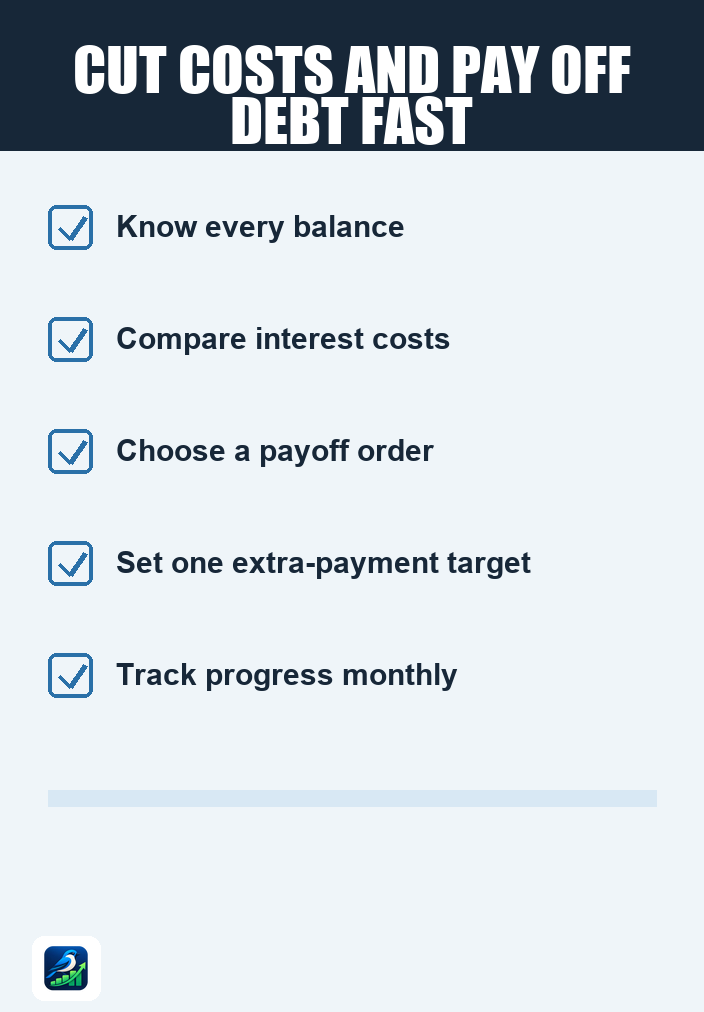
Before you dive into strategies for handling unexpected expenses, it’s essential to assess your current financial situation. Here are a few steps to help you get started:
- Review Your Budget: Take a close look at your existing budget. Identify areas where you can cut back temporarily to accommodate unexpected costs.
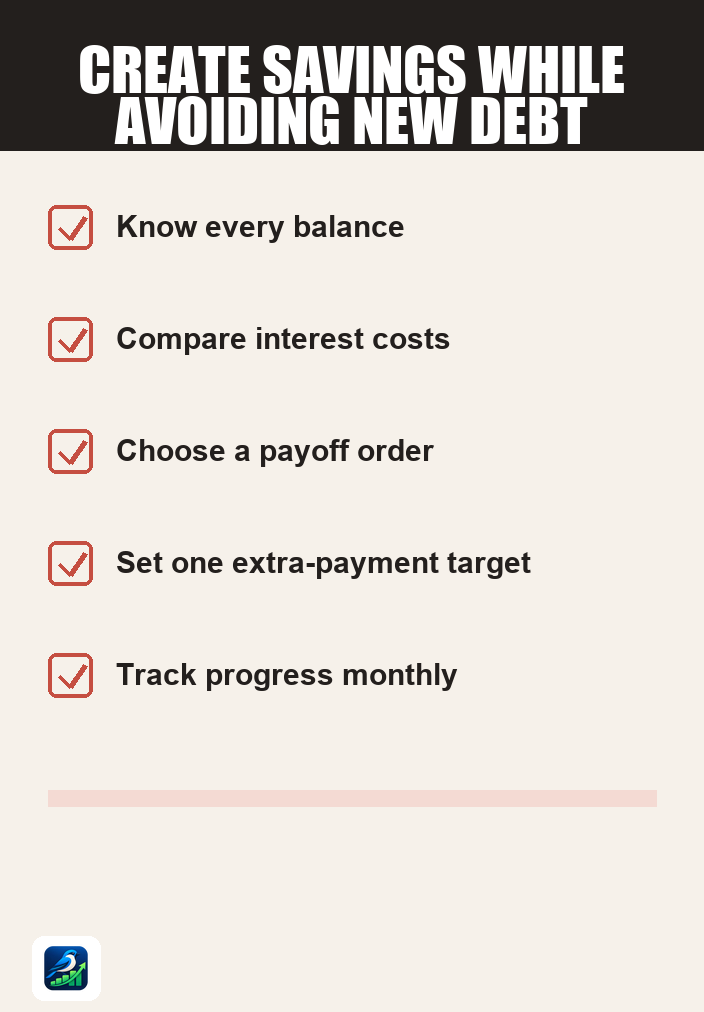
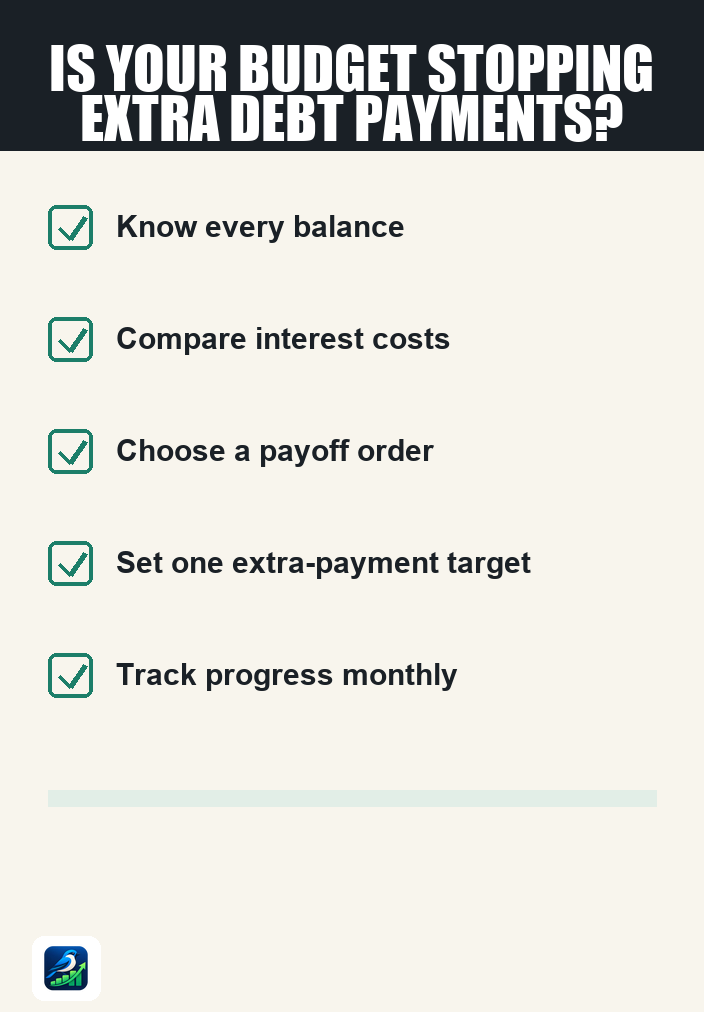
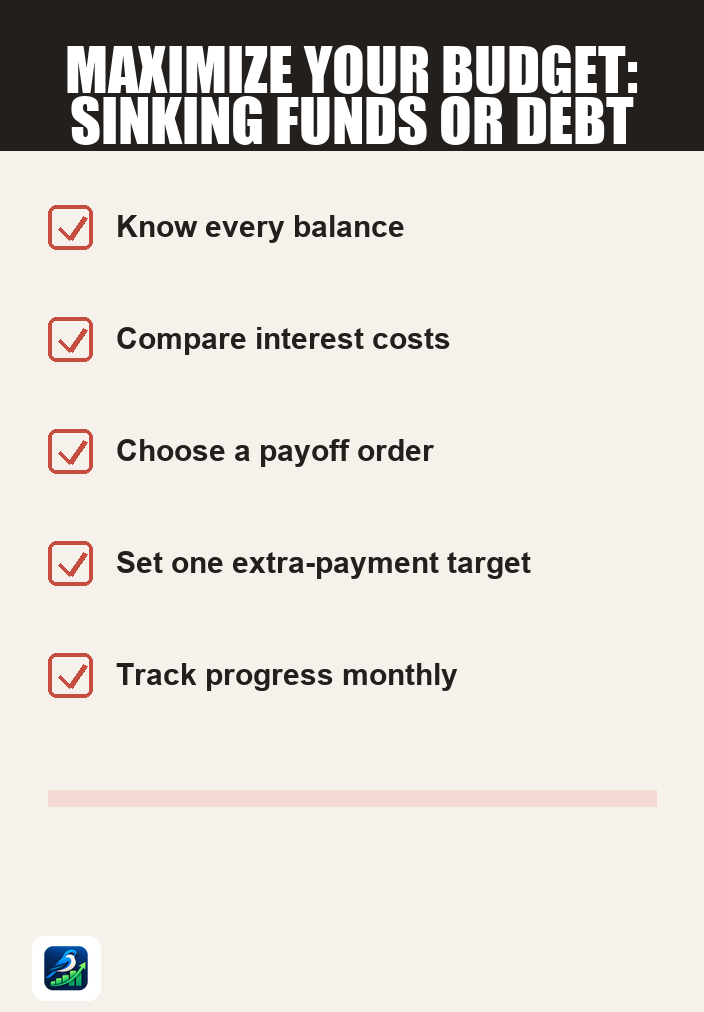
- List Your Debts: Write down all your debts, including interest rates and minimum payments. Knowing what you owe will help you prioritize your payments.
- Emergency Fund Status: Check if you have an emergency fund. If you do, determine how much you can use without compromising your debt repayment plan.
Creative Strategies to Manage Unexpected Expenses
1. Build a Flexible Budget
A rigid budget can make it challenging to accommodate unexpected expenses. Instead, create a flexible budget that allocates a portion of your income to a “miscellaneous” category. This can help absorb costs without requiring drastic adjustments elsewhere.
2. Prioritize Expenses
When faced with unexpected costs, it’s crucial to determine which expenses take precedence. Use these criteria to prioritize:
- Necessity: Is the expense essential for your health or safety? Prioritize these costs.
- Impact on Debt: Will ignoring this expense worsen your debt situation? If so, address it sooner rather than later.
- Timing: Is the expense urgent? Determine if it can be postponed without serious consequences.
3. Adjust Your Debt Payment Plan Temporarily
If an unexpected expense arises, consider temporarily adjusting your debt repayment strategy. Here are a few options:
- Minimum Payments: If cash flow is tight, focus on making minimum payments on debts while addressing the urgent expense.
- Debt Snowball or Avalanche Pause: If you follow a specific repayment strategy, consider pausing it temporarily to address the unexpected cost.
- Negotiate Payments: In some cases, creditors may allow you to defer payments or provide lower minimums temporarily. It’s worth asking.
4. Explore Side Income Opportunities
Finding ways to increase your income can provide immediate relief for unexpected expenses. Here are some ideas:
- Freelancing: Utilize your skills to take on freelance work in your spare time.
- Gig Economy: Consider part-time gigs such as ridesharing, delivery services, or pet sitting.
- Sell Unused Items: Look around your home for items you no longer need or use, and sell them online or at a garage sale.
5. Utilize Community Resources
Community resources can provide support during tough times. Here are some options you might consider:
- Local Charities: Some organizations offer assistance for specific needs, such as food, clothing, or medical expenses.
- Government Assistance Programs: Explore local or state programs that provide temporary financial assistance or help with specific expenses.
- Financial Counseling Services: Non-profit organizations often offer free or low-cost financial counseling to help you navigate unexpected costs.
6. Consider a Personal Loan or Credit Alternatives
While taking on more debt is not ideal, it may be necessary in some situations. If you decide to pursue this route, be cautious:
- Personal Loans: These can provide quick cash, but be aware of interest rates and repayment terms.
- Credit Cards: Using a credit card for emergencies can be suitable, but make sure you can manage the payments to avoid falling deeper into debt.
- Borrowing from Family or Friends: If you have a trusted network, consider discussing your situation with them. Just ensure you have a clear repayment plan in place.
7. Monitor and Reflect
After managing an unexpected expense, take time to reflect on the situation. Consider the following:
- What Worked: Identify which strategies were effective in managing the expense.
- What Didn’t Work: Learn from any missteps to avoid similar issues in the future.
- Adjust Your Budget: Based on your experience, adjust your budget to better prepare for future unexpected costs.
Final Thoughts
Managing unexpected expenses while paying off debt can be challenging, but with these creative strategies, you can navigate the situation more effectively. Remember, it’s essential to assess your financial situation, prioritize expenses, and explore alternative income sources. By being proactive and flexible, you can address unforeseen costs without derailing your debt repayment journey.
Next Steps
1. Review your budget and identify areas for flexibility.
2. Create a list of potential side income opportunities.
3. Research local community resources that may assist with unexpected costs.
4. Reflect on past experiences to improve your financial strategy moving forward.