
Understanding Consolidation Loan Costs: Common Mistakes to Avoid
When dealing with multiple debts, a consolidation loan can seem like an appealing solution. However, many individuals overlook critical aspects of these loans, leading to mistakes that can complicate their financial situation. Understanding the potential pitfalls can help you make more informed decisions regarding your debt management strategy.
Overlooking the Total Cost of the Loan
One of the most common mistakes people make when considering a consolidation loan is focusing solely on monthly payments rather than the total cost of the loan. While a lower monthly payment may seem attractive, it can lead to paying more in interest over the life of the loan.
Calculating Total Costs
To avoid this mistake, you should calculate the total cost of the loan, including:
- Principal amount borrowed
- Interest rates
- Loan term
- Any additional fees or charges
For example, if you consolidate $20,000 at a 10% interest rate over five years, the total amount paid could exceed $25,000, depending on the structure of the loan. Always ask for a breakdown of costs before proceeding.
Ignoring Credit Score Implications
Another critical oversight is neglecting how a consolidation loan may affect your credit score. While consolidating debt can sometimes improve your credit utilization ratio, it can also have short-term negative impacts.
Understanding Credit Score Factors
Your credit score is influenced by various factors, including:
- Payment history
- Credit utilization ratio
- Length of credit history
- Types of credit accounts
For instance, if you take out a new consolidation loan, it may lower the average age of your credit accounts, potentially impacting your score negatively. Consider how this might affect your financial goals.
Rushing into a Decision
In the face of mounting debt, it’s easy to feel pressured to make quick decisions. However, rushing into a consolidation loan can lead to regret later. Taking the time to evaluate your options can help you avoid costly mistakes.
Assessing Your Financial Situation
Before choosing a consolidation loan, assess:
- Your current debt levels and types
- Your monthly budget and cash flow
- Your long-term financial goals
Consider alternatives to a consolidation loan, such as debt management plans or negotiating with creditors directly. Each option has its pros and cons, and understanding them will help you make a better choice.
Failing to Compare Loan Options
Many individuals make the mistake of going with the first loan offer they receive without shopping around. Different lenders provide various terms, interest rates, and fees that can significantly impact your financial situation.
What to Compare
When evaluating loan offers, consider:
- Interest rates
- Loan origination fees
- Prepayment penalties
- Customer service and support
For example, one lender might offer a low-interest rate but charge high origination fees, while another may provide a slightly higher rate with no fees. Weighing these factors can lead you to a more favorable loan.
Not Reading the Fine Print
It can be tempting to sign a loan agreement quickly, but failing to read the fine print can lead to unexpected surprises down the line. Many individuals overlook critical details that could impact their repayment strategy.
Key Terms to Look For
Pay attention to:
- Interest rate type (fixed or variable)
- Fees associated with the loan
- Repayment terms and conditions
- Consequences of missed payments
For example, a variable interest rate may start low but can increase significantly over time, worsening your financial situation. Always ensure you understand the implications of every term before proceeding.
Assuming a Consolidation Loan is the Only Solution
Many people mistakenly believe that a consolidation loan is the only way to manage their debts. However, other options exist that might be more suitable depending on your financial circumstances.
Exploring Alternatives
Consider these alternatives:
- Debt Management Plans: Working with a credit counseling agency to create a structured repayment plan.
- Debt Settlement: Negotiating with creditors to reduce your total debt, though this can impact your credit score.
- Bankruptcy: A legal process for those in severe financial distress, with long-term implications on credit.
Each option comes with its own set of trade-offs. Take time to research these alternatives and consult with professionals if necessary.
Not Seeking Professional Guidance
Lastly, one of the most significant mistakes individuals make is not seeking professional guidance when considering a consolidation loan. Financial experts can provide valuable insights tailored to your unique circumstances.
When to Seek Help
Consider reaching out to a financial advisor or credit counselor if:
- You’re unsure about your options
- You have multiple debts and feel overwhelmed
- You’re considering bankruptcy or debt settlement
Getting professional advice can help you navigate your choices and potentially save you from costly mistakes.
Next Steps: Making Informed Decisions
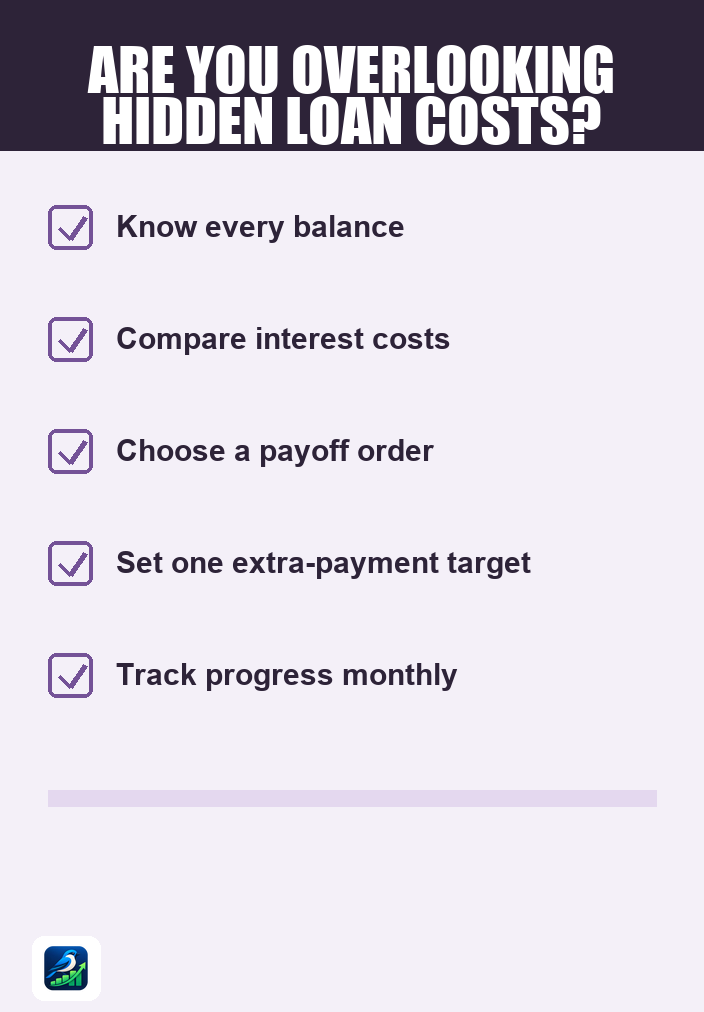
As you contemplate a consolidation loan, remember to approach the decision thoughtfully. Take the time to evaluate your financial situation, compare your options, read the fine print, and consider professional advice. By avoiding common mistakes, you can make a more informed choice that aligns with your long-term financial goals.
Start by listing your debts, analyzing your budget, and researching various loan options. With careful planning and consideration, you can take meaningful steps toward managing your debt effectively.



















